Information
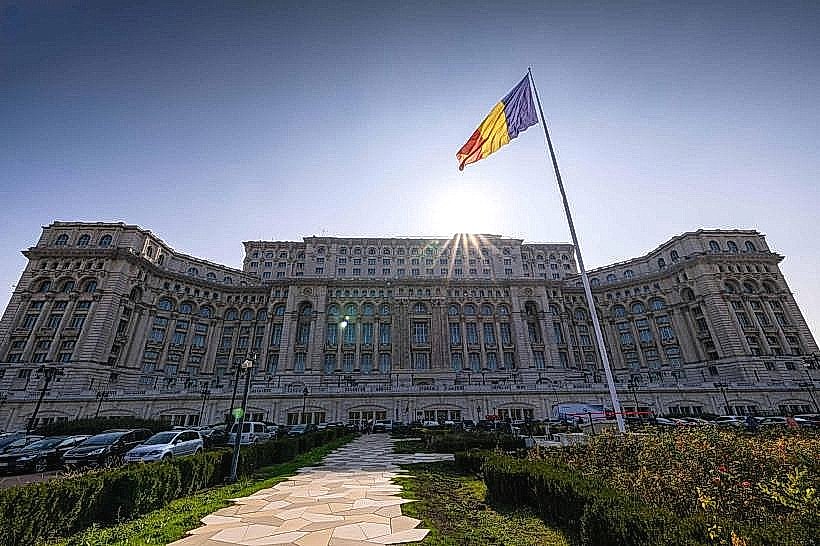
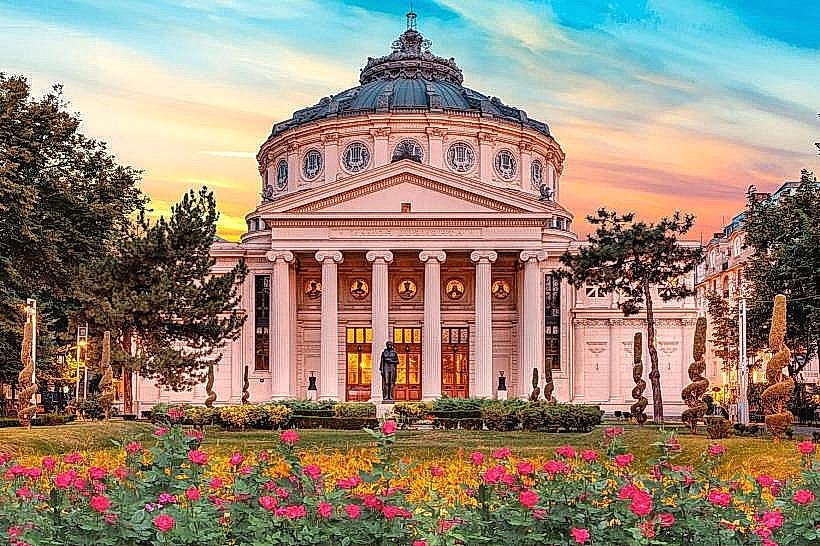
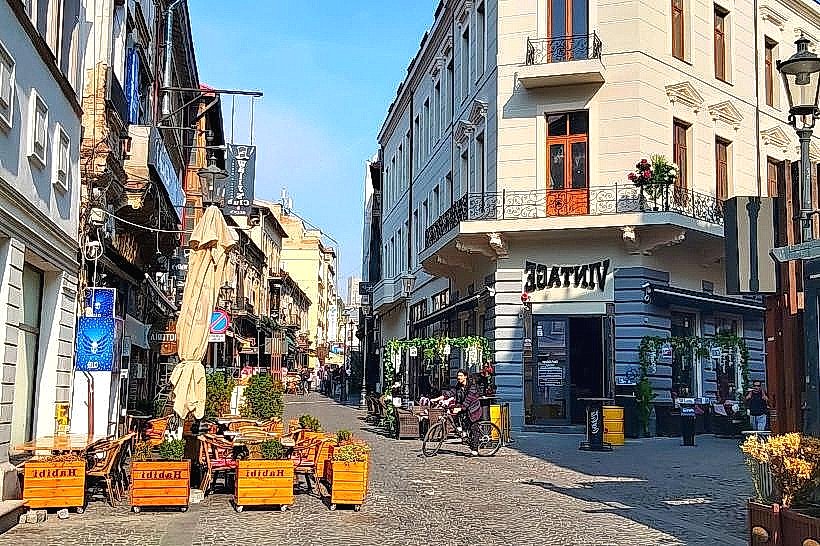
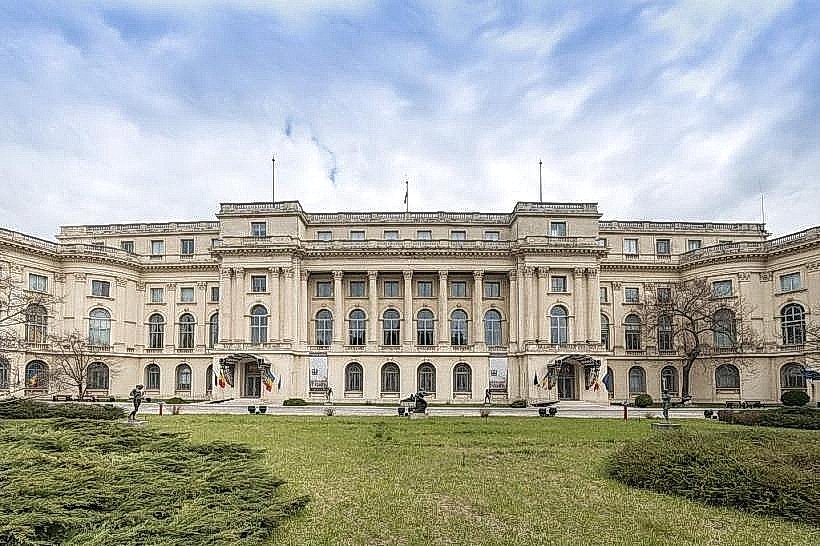
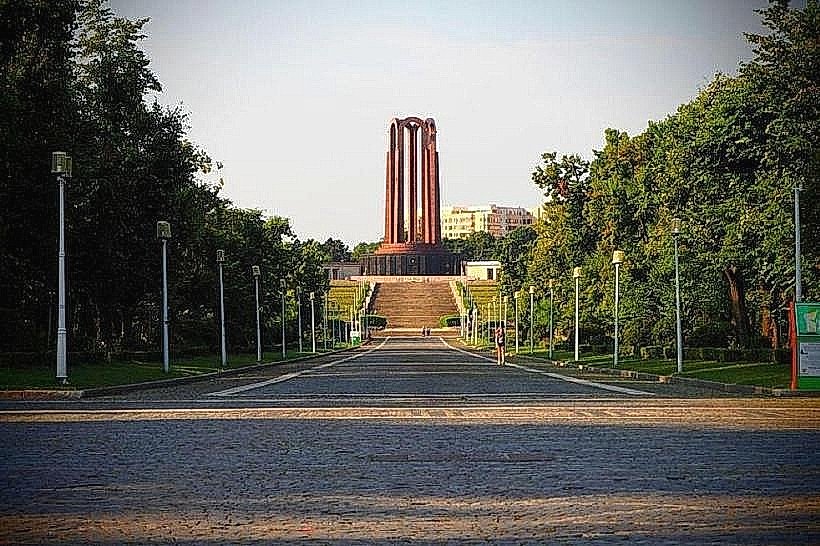
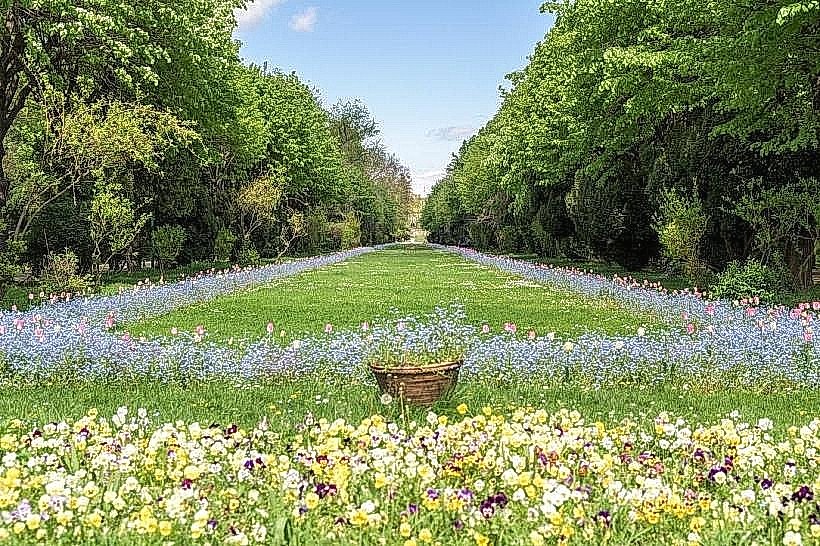
Landmark: Herăstrău Park (King Michael I Park)City: Bucharest
Country: Romania
Continent: Europe
Herăstrău Park (King Michael I Park), Bucharest, Romania, Europe
The Chatmohar Shahi Mosque is a historical mosque located in Pabna, Bangladesh.
Visual Characteristics
This rectangular mosque is constructed primarily from brick. Its exterior walls are adorned with terracotta ornamentation, featuring floral motifs and geometric patterns. The mosque has a single dome, supported by a drum, and features three arched entrances on its eastern facade. The corners are accentuated by octagonal turrets.
Location & Access Logistics
The mosque is situated in Chatmohar Upazila, approximately 50 kilometers west of Pabna city. Access is typically via local roads from Pabna town. Private vehicle parking is available on-site. Public transport options include local buses that run between Pabna and Chatmohar, with a short walk from the bus stop to the mosque.
Historical & Ecological Origin
The Chatmohar Shahi Mosque was built during the Mughal era, with construction believed to have been completed in the late 17th century. Its original purpose was for congregational prayer. The architectural style reflects the regional Mughal influences prevalent at the time.
Key Highlights & Activities
Visitors can observe the intricate terracotta detailing on the mosque's exterior. Photography of the architectural features is permitted. Entry into the prayer hall is possible during non-prayer times.
Infrastructure & Amenities
Basic restroom facilities are available near the mosque. Shade is provided by the mosque structure itself. Cell phone signal is generally reliable in the area. Food vendors are typically found in the nearby Chatmohar market area.
Best Time to Visit
The best time of day for photography is during the early morning or late afternoon when the sunlight creates distinct shadows on the terracotta work. The dry season, from October to March, offers the most pleasant weather conditions for visiting.
Facts & Legends
A local legend suggests that the mosque was built by a wealthy merchant who wished to leave a lasting religious monument. The precise builder and exact construction date remain subjects of historical debate.
Nearby Landmarks
- Nilkuthi (Indigo Factory Ruins) - 2km Southwest
- Chatmohar Railway Station - 1.5km West
- Local Market (Chatmohar Bazar) - 1km West