Information
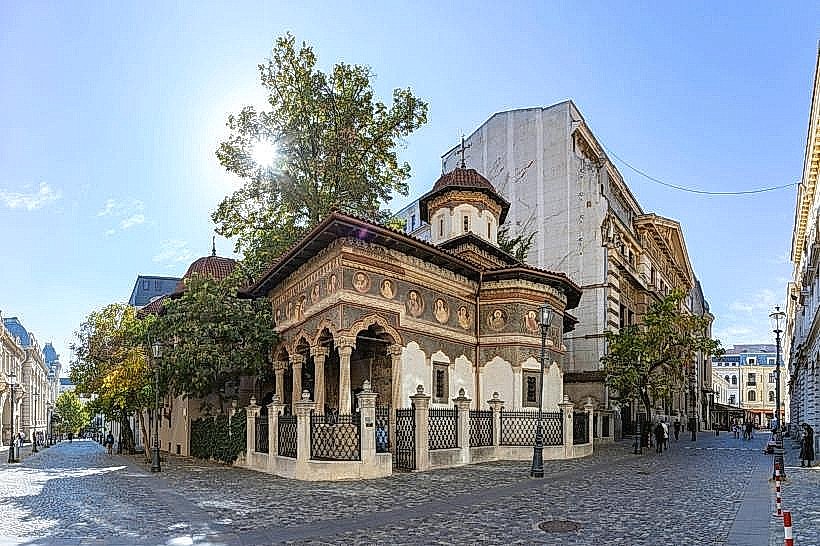
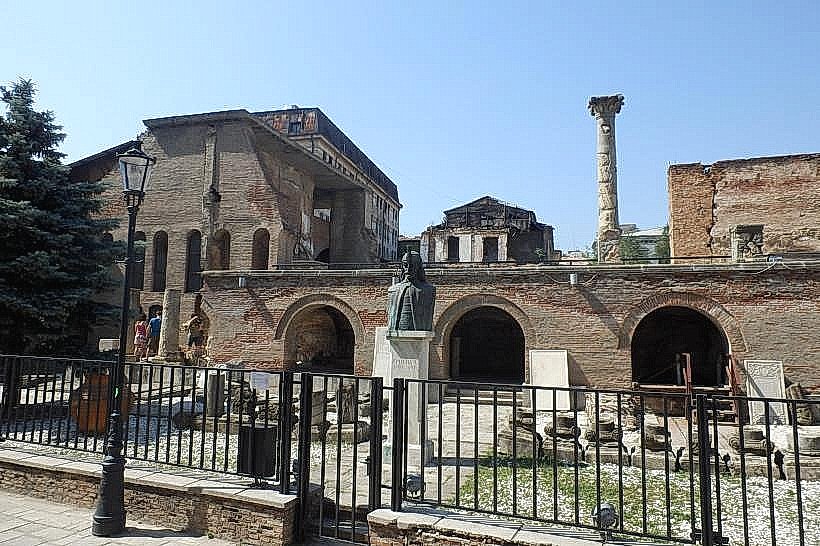
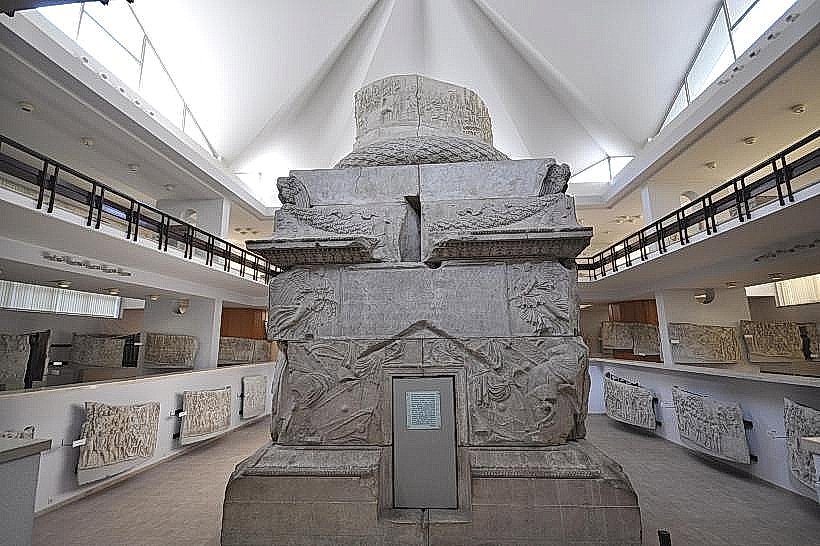
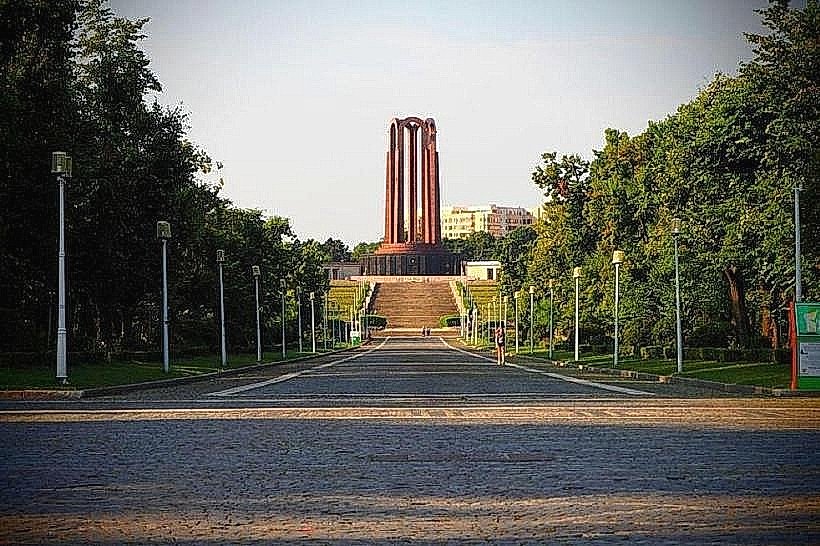
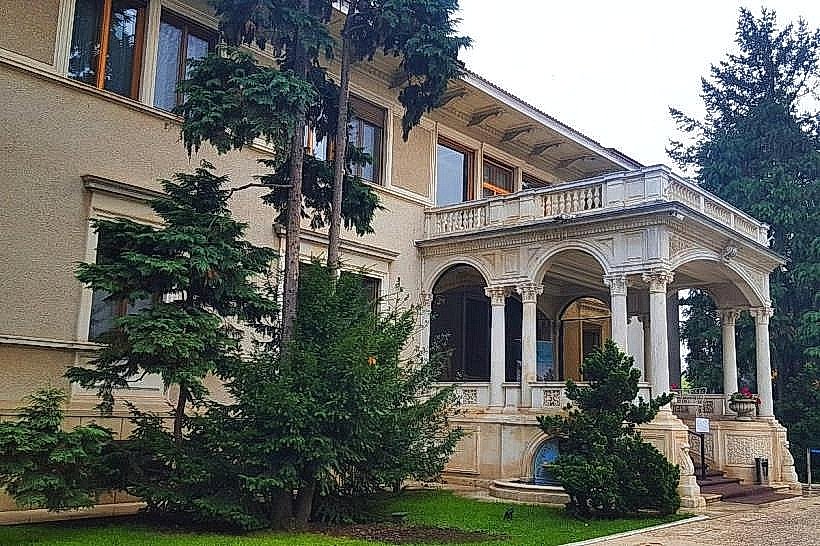
Landmark: Romanian Patriarchal CathedralCity: Bucharest
Country: Romania
Continent: Europe
Romanian Patriarchal Cathedral, Bucharest, Romania, Europe
Madhupur National Park is a protected forest area located in the Tangail district of Bangladesh.
It serves as a significant ecological zone and a recreational site within the region.
Visual Characteristics
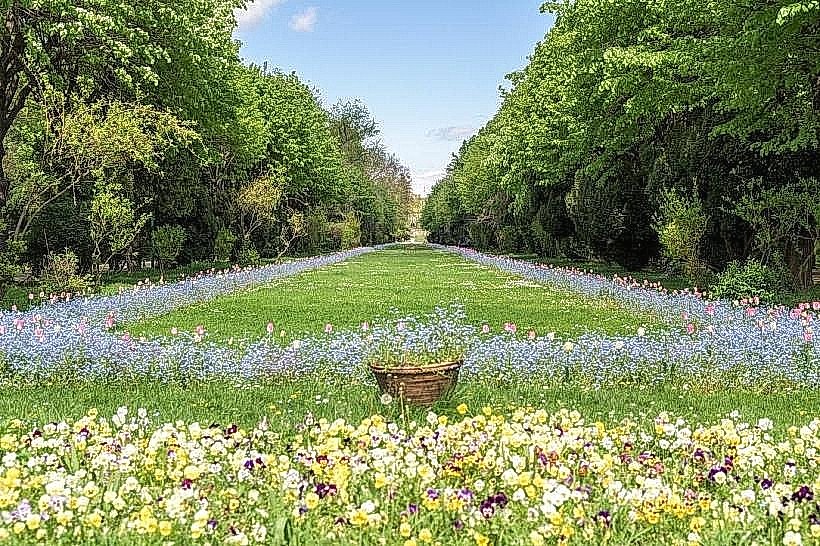
The park is characterized by dense tropical moist deciduous forests, primarily composed of Sal (Shorea robusta) trees. The undergrowth consists of various shrubs and grasses. The terrain is generally flat with some undulating areas. Seasonal water bodies and streams are present within the park boundaries.
Location & Access Logistics
Madhupur National Park is situated approximately 100 kilometers north of Dhaka, the capital city. Access is typically via the Dhaka-Tangail highway (N4). From Tangail town, the park entrance is approximately 15 kilometers south. Private vehicles can reach designated parking areas near the park entrance. Public transport options include buses traveling from Dhaka to Tangail, with local rickshaws or auto-rickshaws available for the final leg to the park.
Historical & Ecological Origin
Madhupur National Park was established in 1974. Ecologically, it represents a significant tract of the Madhupur Sal Forest, which is a distinct forest type in Bangladesh. The area is crucial for maintaining biodiversity and preventing soil erosion in the region.
Key Highlights & Activities
Visitors can engage in walking or cycling along designated trails within the forest. Birdwatching is a common activity due to the diverse avian population. Photography opportunities exist, particularly of the Sal trees and forest flora. The park also contains a small deer breeding center.
Infrastructure & Amenities
Basic facilities are available at the park entrance, including restrooms. Limited shaded areas are provided by the forest canopy. Cell phone signal (2G/3G) is generally available within the park. Food vendors are typically present near the main entrance, offering local snacks and beverages.
Best Time to Visit
The best time for visiting is during the dry season, from November to March, when the weather is cooler and less humid. The early morning hours (6:00 AM - 9:00 AM) offer optimal lighting for photography and increased wildlife activity. The monsoon season (June to October) can make trails muddy and less accessible.
Facts & Legends
A notable feature of the park is the presence of ancient Sal trees, some estimated to be centuries old. Local folklore suggests that the forest is inhabited by spirits, and certain areas are considered sacred by the indigenous Garo community.
Nearby Landmarks
- Tangail Town Center (15km Northwest)
- Dhanbari Royal Palace (25km North)
- Atia Mosque (30km Southwest)
- Jamuna Bridge (40km West)