Information
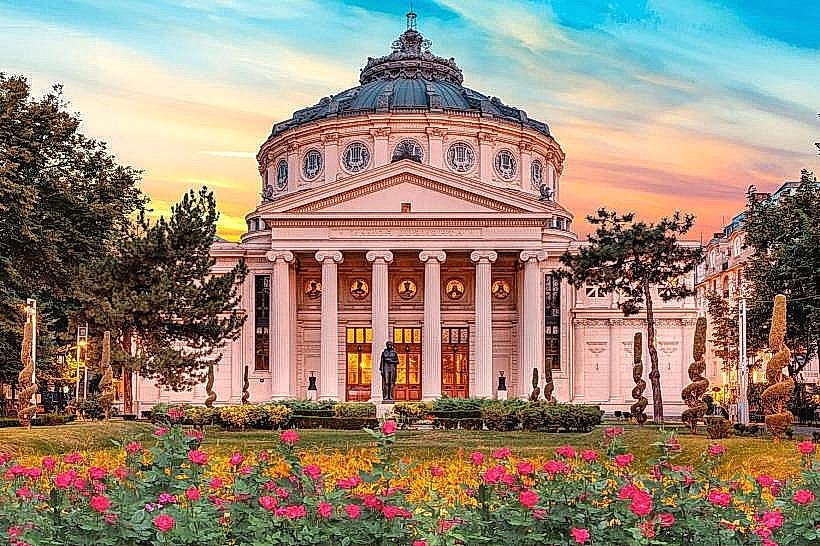
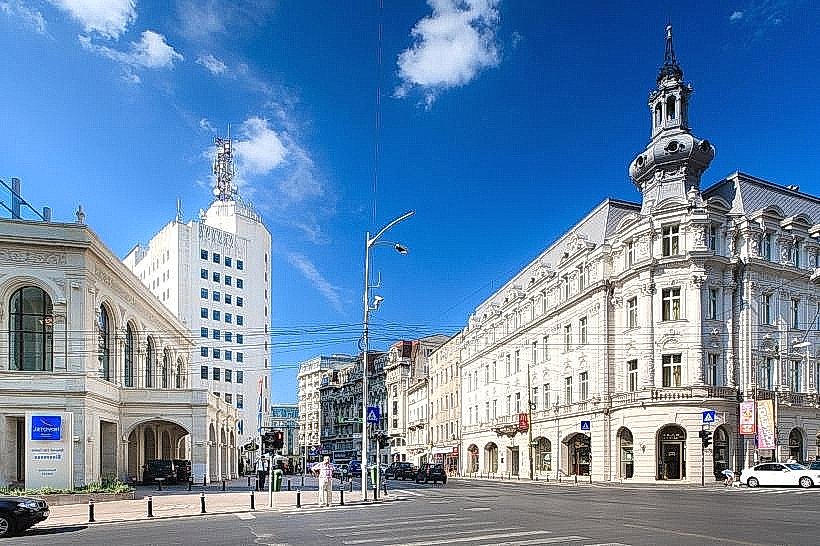
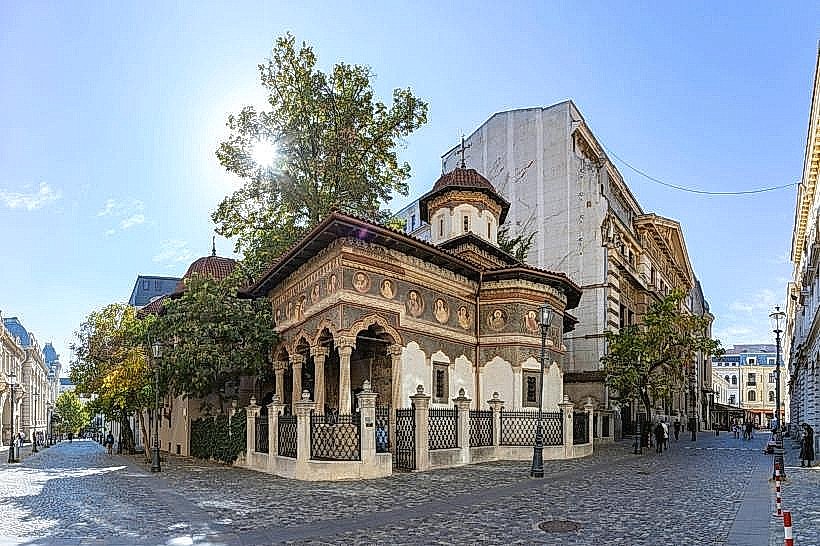
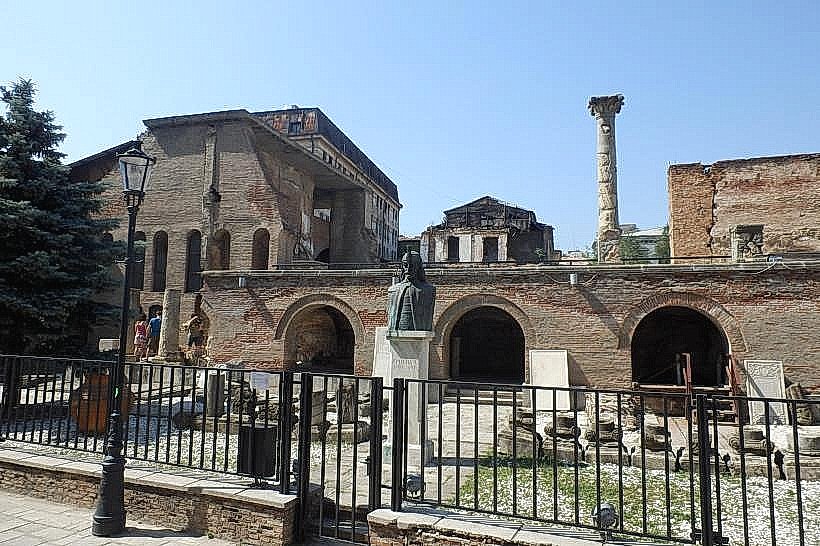
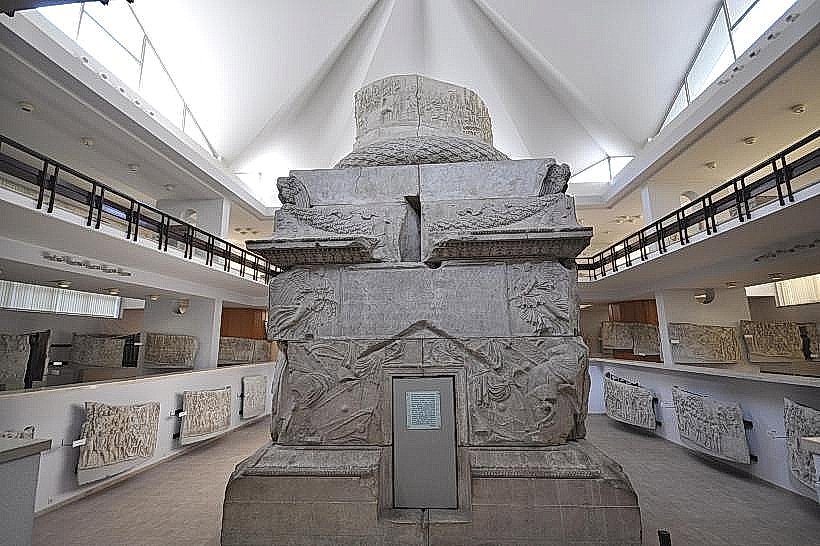
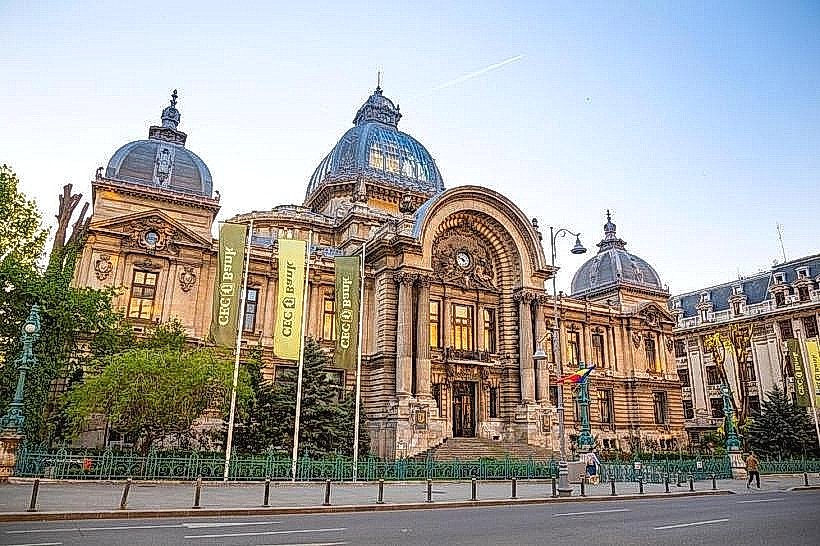
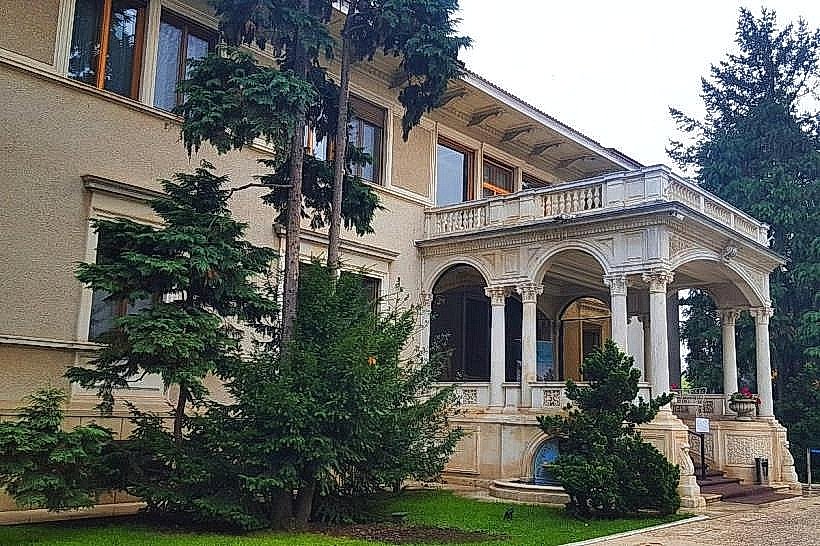
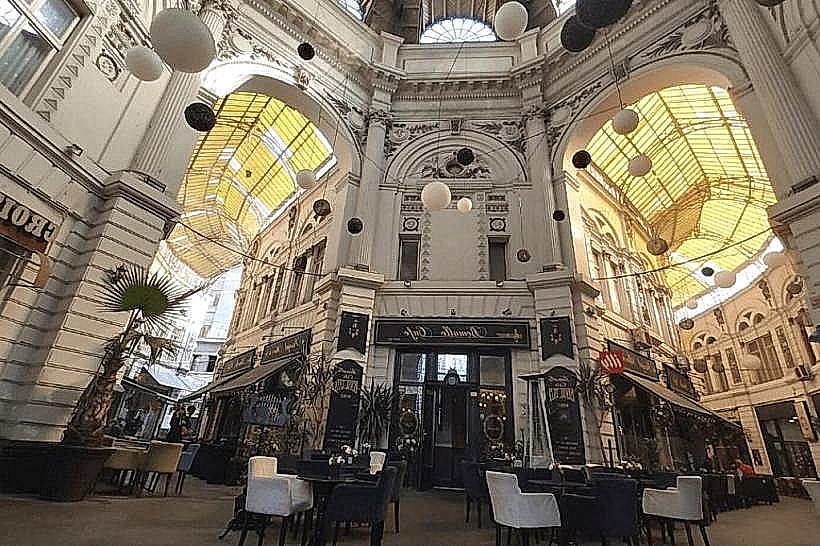
Landmark: National Museum of Art of RomaniaCity: Bucharest
Country: Romania
Continent: Europe
National Museum of Art of Romania, Bucharest, Romania, Europe
The Jagannath Temple is a Hindu temple located in Pabna, Bangladesh. It is dedicated to the deity Jagannath.
Visual Characteristics
The temple is constructed primarily from brick. Its facade features decorative terracotta panels depicting various deities and mythological scenes. The main structure is a multi-tiered edifice with a central spire. The color palette is dominated by earthy tones of the brick, with accents from the terracotta work.
Location & Access Logistics
The Jagannath Temple is situated approximately 2 kilometers south of the Pabna town center. Access is via local roads, with the main route being Pabna-Ishwardi Road. Limited on-street parking is available near the temple premises. Local auto-rickshaws and cycle rickshaws provide transport from the town center.
Historical & Ecological Origin
The temple's construction is attributed to the late 18th century, with specific records indicating completion around 1780. It was built by a local landlord, Raja Ramkanta Roy. The original purpose was to house and worship the idol of Jagannath.
Key Highlights & Activities
Visitors can observe the intricate terracotta artwork on the temple walls. The central courtyard offers a space for quiet contemplation. Religious ceremonies and festivals are observed throughout the year, particularly during Rath Yatra.
Infrastructure & Amenities
Basic restroom facilities are available on-site. Shade is provided by the temple structure itself and surrounding trees. Cell phone signal (2G/3G) is generally available. No food vendors are located directly within the temple complex, but small shops are present in the vicinity.
Best Time to Visit
For optimal lighting on the terracotta panels, visit during the late morning or late afternoon. The dry season, from October to March, offers the most pleasant weather conditions. No specific tide requirements are applicable.
Facts & Legends
A local legend states that the idol of Jagannath was discovered floating in the Padma River and brought to this location for worship. It is also said that the temple's construction was completed in a remarkably short period due to divine intervention.
Nearby Landmarks
- Pabna Zila Parishad Park (0.8km North)
- Pabna Central Mosque (1.2km North)
- Pabna Museum (1.5km North)
- Pabna General Hospital (1.8km North)