Information
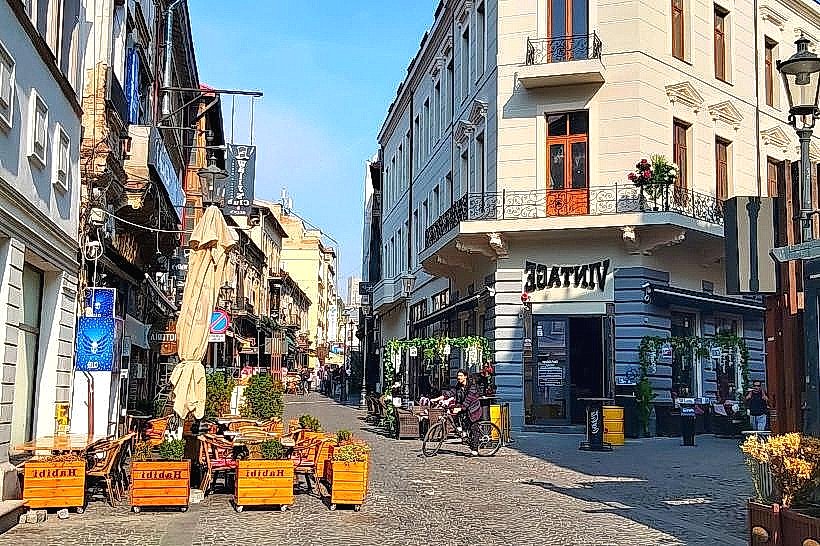
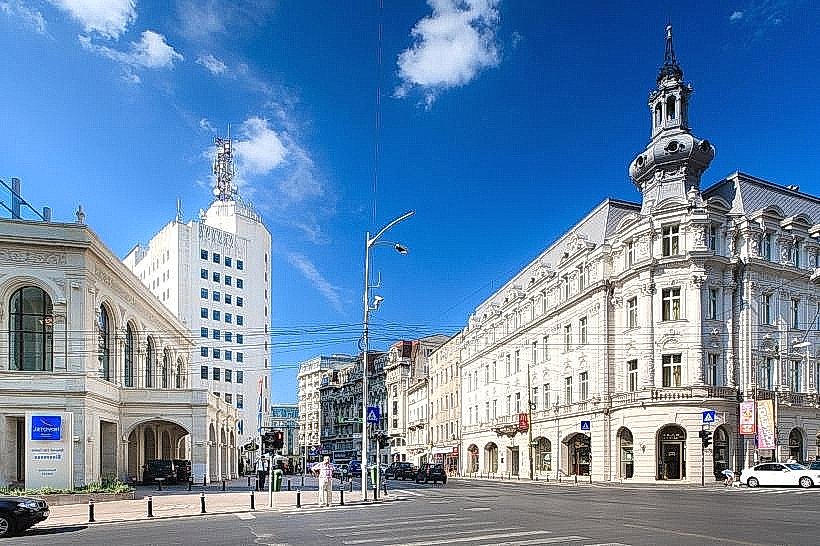
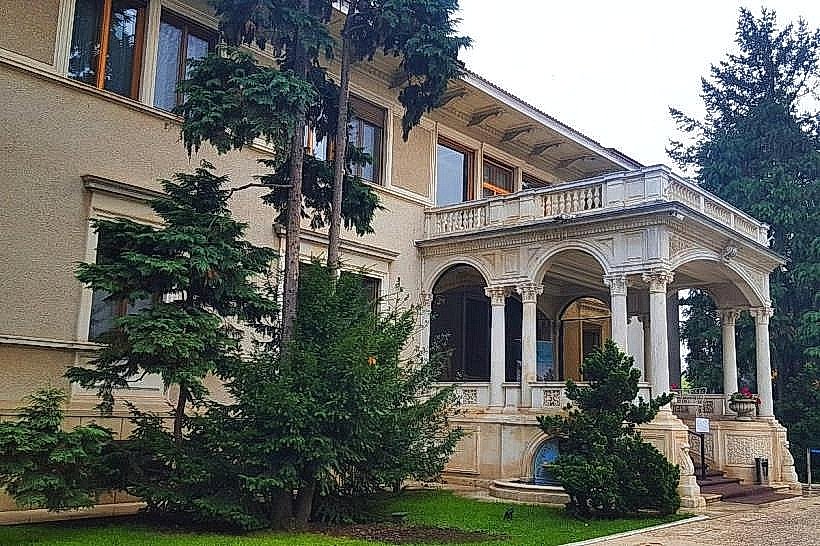
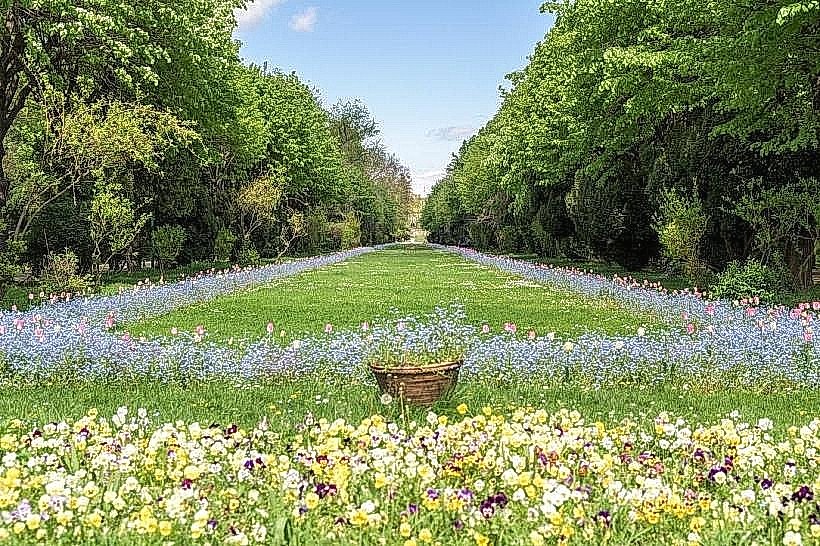
Landmark: Macca-Vilacrosse PassageCity: Bucharest
Country: Romania
Continent: Europe
Macca-Vilacrosse Passage, Bucharest, Romania, Europe
The Cotonou Cathedral, officially known as Notre Dame de Miséricorde, is a Roman Catholic cathedral located in the city of Cotonou, Benin.
Visual Characteristics
The cathedral is constructed primarily from red brick. It features a prominent bell tower and a facade with arched windows and doorways. The roof is typically made of corrugated metal. The overall architectural style is functional and somewhat austere, reflecting its post-colonial construction period.
Location & Access Logistics
The cathedral is situated in the central district of Cotonou. It is accessible via Boulevard de la Marina. Driving from the Cadjehoun Airport (COO) takes approximately 15 minutes depending on traffic. Public parking is available on the streets surrounding the cathedral, though it can be limited during peak hours. Several local bus routes pass near the cathedral, providing public transport access.
Historical & Ecological Origin
Construction of the Cotonou Cathedral began in the mid-20th century, with its completion in 1950. It was built to serve as the primary seat of the Roman Catholic Archdiocese of Cotonou, replacing an earlier, smaller church. The design reflects the architectural trends of the era in West Africa.
Key Highlights & Activities
Visitors can attend religious services. The interior architecture and stained-glass windows can be observed. Photography inside the cathedral may be restricted during services.
Infrastructure & Amenities
Restrooms are available within the cathedral complex. Limited shade is provided by the building itself and nearby trees. Cell phone signal (4G/5G) is generally strong in this urban area. Food vendors are typically found on the streets surrounding the cathedral.
Best Time to Visit
For photography of the exterior, early morning or late afternoon light offers optimal conditions. The best months for visiting Cotonou are generally from November to April, during the dry season, which provides more comfortable weather for exploration.
Facts & Legends
A notable historical detail is that the cathedral was consecrated during a period of significant growth and development in Cotonou following Benin's independence.
Nearby Landmarks
- 0.3km West: Dantokpa Market
- 0.8km North: Palais de Culture
- 1.2km South: Cotonou Central Mosque
- 2.5km East: Fondation Zinsou