Information
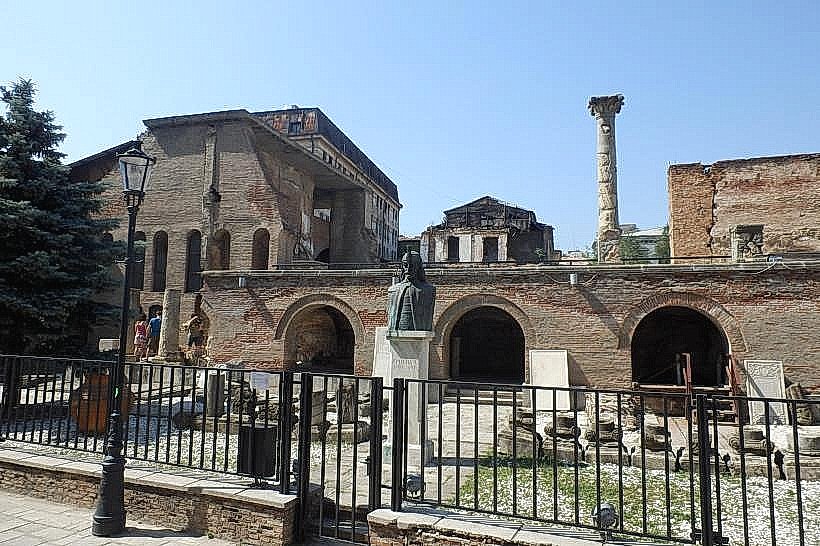
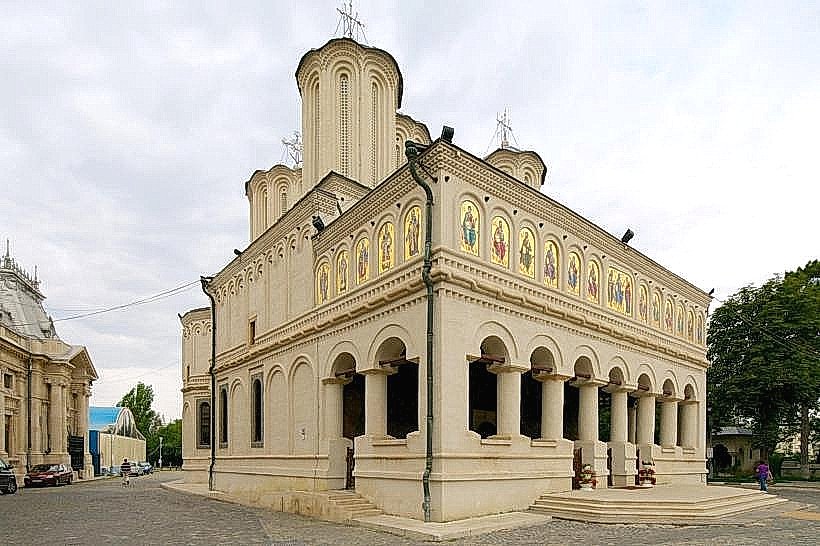
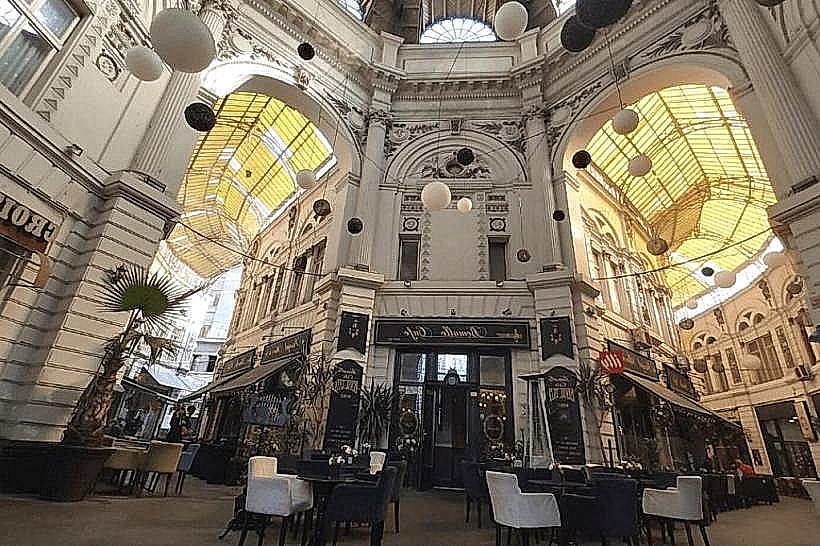
Landmark: Stavropoleos MonasteryCity: Bucharest
Country: Romania
Continent: Europe
Stavropoleos Monastery, Bucharest, Romania, Europe
Tarash Rajbari is a historical palace located in Pabna, Bangladesh.
Visual Characteristics
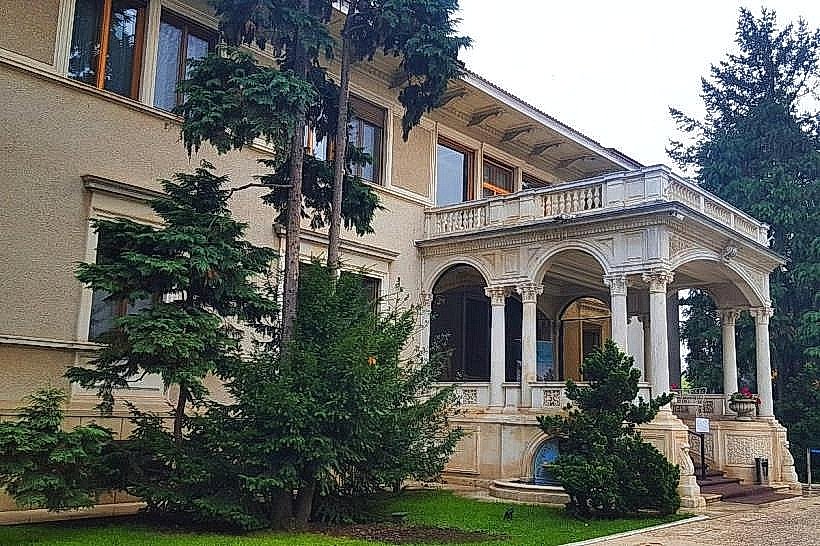
The palace is constructed primarily from brick and features a blend of colonial and traditional Bengali architectural elements. It is characterized by its multi-story structure, arched windows, and decorative cornices. The exterior walls are painted a light cream color, with darker accents around window frames and doorways. The complex includes several courtyards and outbuildings.
Location & Access Logistics
Tarash Rajbari is situated approximately 10 kilometers north of Pabna town. Access is via Pabna-Nagarbari Road, turning onto a local road leading to the palace. The nearest major transport hub is Pabna Bus Terminal, about 12 kilometers away. Limited parking is available on-site. Public transport options to the vicinity include local buses heading towards Nagarpara. From the main road, a short walk or rickshaw ride is required.
Historical & Ecological Origin
The palace was built in the late 19th century by the Zamindar (landlord) of Tarash, Rai Bahadur Banwari Lal Roy. It served as the administrative center and residence for the Zamindari estate. The architecture reflects the wealth and influence of the landlord during the British colonial period.
Key Highlights & Activities
Exploration of the palace's main building and its various rooms. Observation of the architectural details and historical layout. Photography of the structure and its surroundings. Walking through the existing courtyards.
Infrastructure & Amenities
Basic restroom facilities are available on-site. Limited shade is provided by the existing structures. Cell phone signal (4G) is generally available. No food vendors are present directly at the landmark; arrangements should be made in Pabna town.
Best Time to Visit
The best time of day for photography is during the morning or late afternoon when the sunlight provides optimal illumination of the building's facade. The dry season, from October to March, offers the most pleasant weather conditions for visiting.
Facts & Legends
A local anecdote suggests that a secret passage once connected the Rajbari to the nearby Ichamati River, though its existence is unverified. The palace complex was once known for its extensive gardens and orchards, which have largely diminished over time.
Nearby Landmarks
- Pabna Town Hall (10km South)
- Pabna Central Mosque (11km South)
- Pabna Zila Parishad Park (10.5km South)
- Pabna University of Science and Technology (12km South)