Information
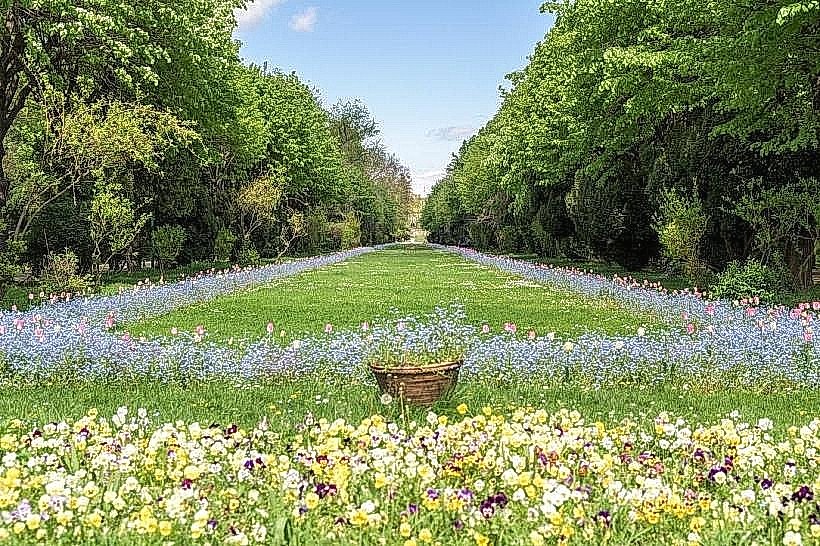
Landmark: Curtea VecheCity: Bucharest
Country: Romania
Continent: Europe
Curtea Veche, Bucharest, Romania, Europe
Chalan Beel is a large inland wetland located in the Pabna district of Bangladesh.
Visual Characteristics
The Beel is characterized by its expansive, shallow water body that fluctuates significantly with the seasons. During the monsoon, it can cover an area of over 100 square kilometers, appearing as a vast lake. In the dry season, much of the water recedes, exposing large tracts of muddy land and smaller, interconnected channels. The surrounding landscape is predominantly agricultural, with rice paddies and small villages bordering the wetland. Vegetation within the Beel consists of aquatic plants, reeds, and water lilies.
Location & Access Logistics
Chalan Beel is situated approximately 15 kilometers north of Pabna city. Access is primarily via local roads from Pabna, such as the Pabna-Nagarbari Road. From the main road, smaller unpaved tracks lead to the edges of the Beel. Boat hire is the principal mode of transport within the Beel itself, with local fishermen offering services. There is no dedicated parking; vehicles are typically left at the roadside near access points. Public bus services operate on the Pabna-Nagarbari Road, with disembarkation at points closest to the Beel.
Historical & Ecological Origin
Chalan Beel is a natural depression formed by the confluence of several rivers and drainage systems. Its formation is linked to the geological processes of the Ganges-Brahmaputra delta. Ecologically, it is a freshwater wetland ecosystem, supporting a diverse range of aquatic flora and fauna. Historically, it has served as a vital source of fish and a natural water reservoir for the surrounding agricultural communities for centuries.
Key Highlights & Activities
Boat excursions across the Beel are the primary activity, offering views of the aquatic environment and local life. Fishing is a common sight. Birdwatching is possible, especially during migratory seasons. Walking along the embankments provides a perspective of the agricultural landscape surrounding the wetland.
Infrastructure & Amenities
Basic amenities are limited. Small tea stalls and local eateries may be found in villages adjacent to the Beel. Restrooms are generally not available at designated points. Shade is provided by trees in the surrounding villages. Cell phone signal (2G/3G) is generally available in the vicinity, but can be intermittent within the Beel itself.
Best Time to Visit
The best time for visiting is during the post-monsoon season, from October to March, when the water levels are receding, and the landscape is accessible. For photography, early morning and late afternoon offer optimal lighting conditions. High tide is not a specific requirement for access, but water levels dictate the extent of the Beel's surface.
Facts & Legends
Local folklore suggests that Chalan Beel was once a vast forest that submerged due to a curse. A specific tip for visitors is to engage with local boatmen, who possess intimate knowledge of the Beel's channels and can point out areas of particular ecological interest.
Nearby Landmarks
- Pabna Town Hall (5km South)
- Radhanathpur Zamindar Bari (7km Southwest)
- Jatrapur Bazar (3km East)
- Shilaidaha Kuthibari (25km Southeast)