Information
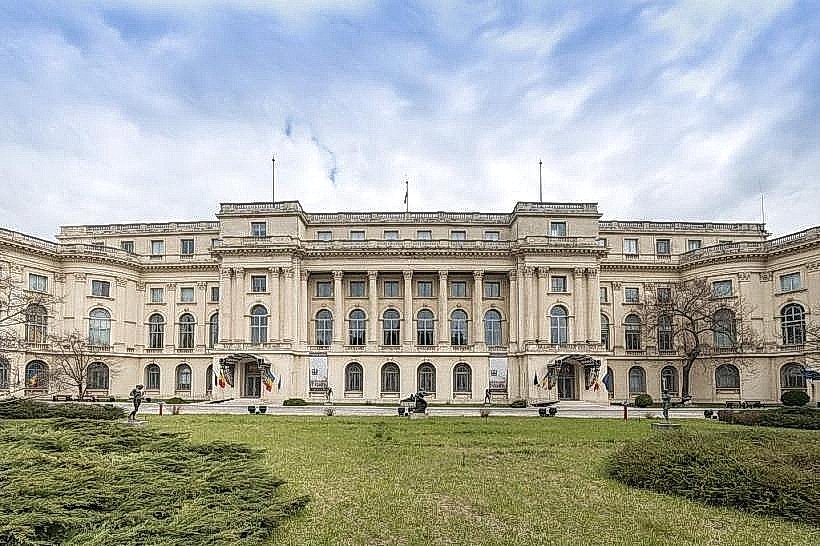
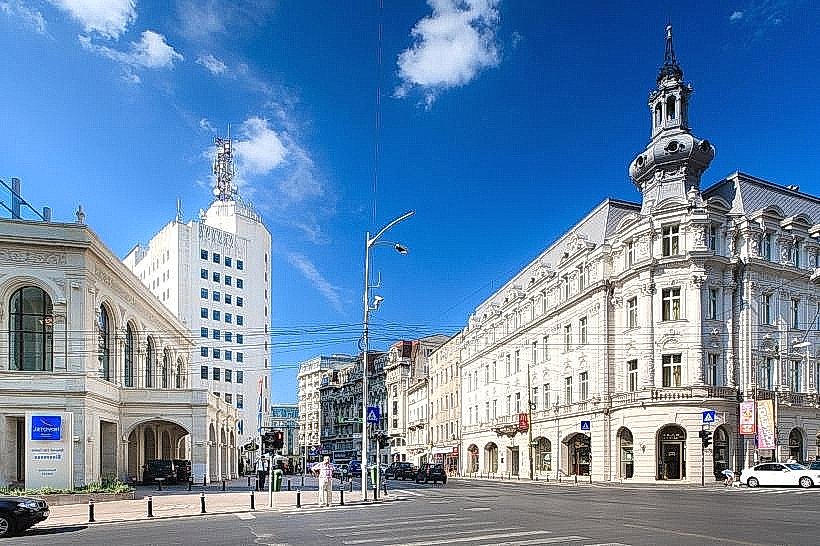
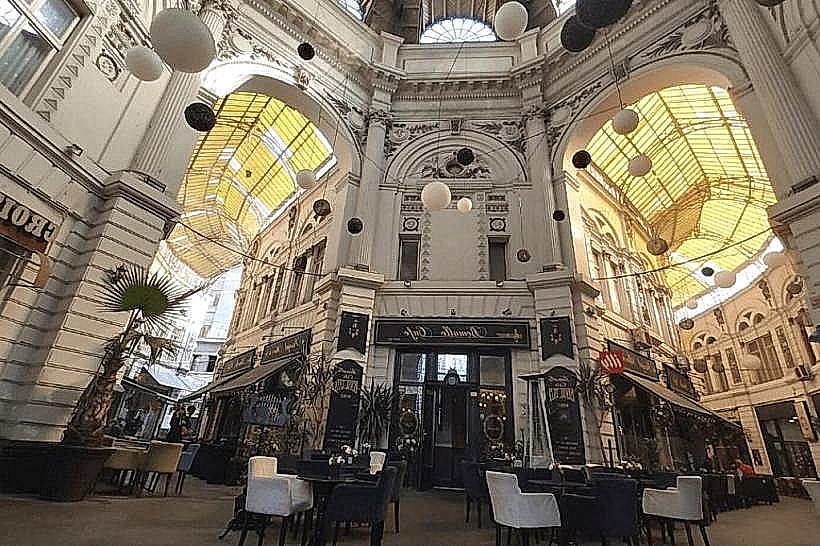
Landmark: CEC PalaceCity: Bucharest
Country: Romania
Continent: Europe
CEC Palace, Bucharest, Romania, Europe
Karatia Zamindar Bari is a historical complex located in Tangail, Bangladesh. It served as the ancestral home of the Karatia zamindars, a prominent landowning family.
Visual Characteristics
The complex comprises several brick structures, primarily in a colonial architectural style. The main building, the Zamindar's residence, features a rectangular plan with multiple rooms and verandas. The exterior walls are constructed from red brick, with some sections showing signs of weathering. Decorative elements include arched windows and cornices. The surrounding grounds include a large pond and mature trees.
Location & Access Logistics
Karatia Zamindar Bari is situated approximately 7 kilometers (4.3 miles) north of Tangail town center. Access is via the Tangail-Jamalpur road. Turn east onto the local road leading to Karatia village. Parking is available on-site, though it is informal. Local auto-rickshaws and cycle rickshaws are the primary modes of transport from Tangail town.
Historical & Ecological Origin
The construction of the Karatia Zamindar Bari began in the late 19th century, with significant additions made in the early 20th century. The primary architect is not definitively recorded, but the design reflects the prevailing colonial architectural trends of the era. The complex was built to serve as the administrative and residential center for the Karatia zamindari estate, which managed agricultural lands and collected revenue.
Key Highlights & Activities
Exploration of the main residential building and its various rooms. Observation of the architectural details and construction methods. Walking the grounds and viewing the pond. Photography of the historical structures.
Infrastructure & Amenities
Restrooms are available within the complex, though their condition may vary. Limited shade is provided by the existing trees and the building's verandas. Cell phone signal (4G) is generally available. No food vendors are permanently located on-site; visitors typically bring their own provisions or eat in Tangail town.
Best Time to Visit
The best time of day for photography is during the late morning or late afternoon when the sunlight provides softer illumination on the brickwork. The dry season, from October to March, offers the most pleasant weather conditions with lower humidity and minimal rainfall.
Facts & Legends
A notable historical detail is the presence of a large, ancient banyan tree within the complex, which is said to be over 200 years old and is considered a significant natural feature by locals.
Nearby Landmarks
- Tangail Central Mosque, 6.5km South
- Tangail Museum, 7.2km South
- Dhanbari Royal Palace, 25km North