Information
Landmark: Arecida de las NievesCity: La Palma
Country: Canary Islands
Continent: Europe
Arecida de las Nieves, La Palma, Canary Islands, Europe
Visual Characteristics
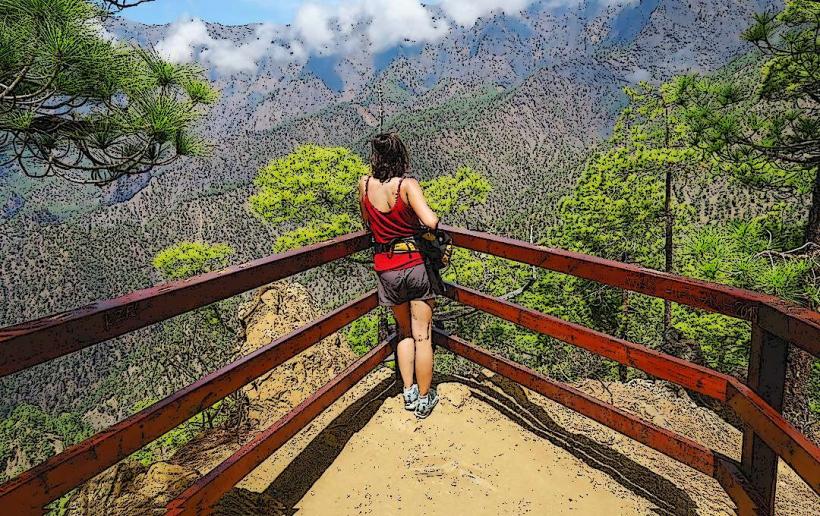
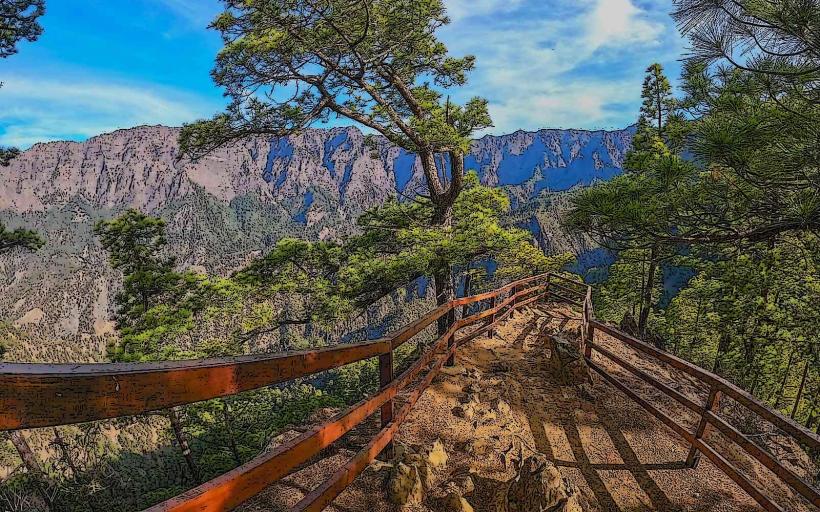
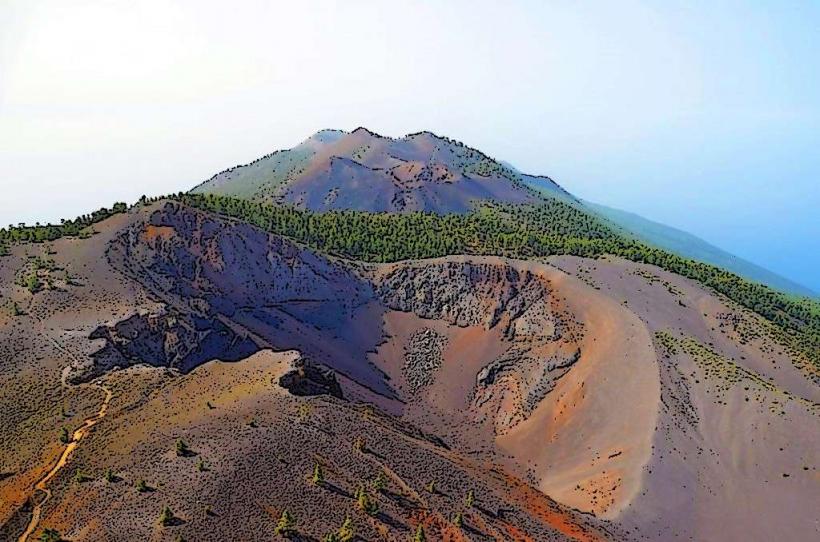
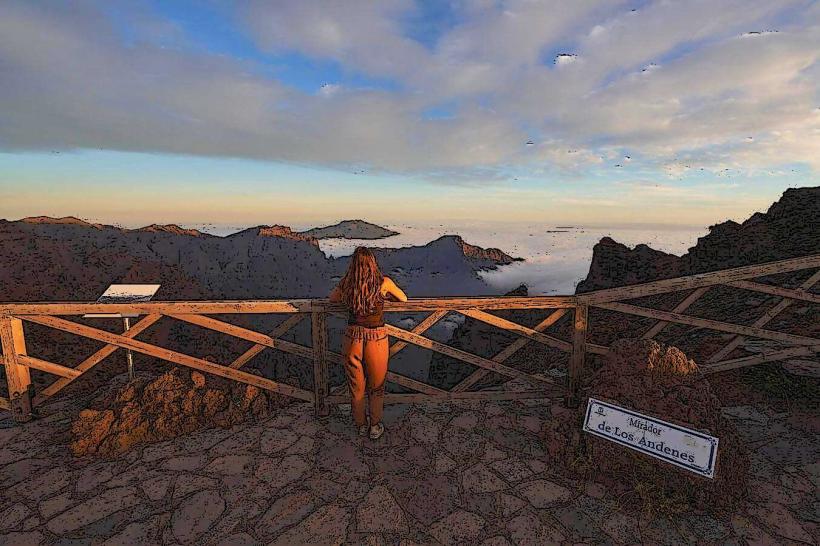
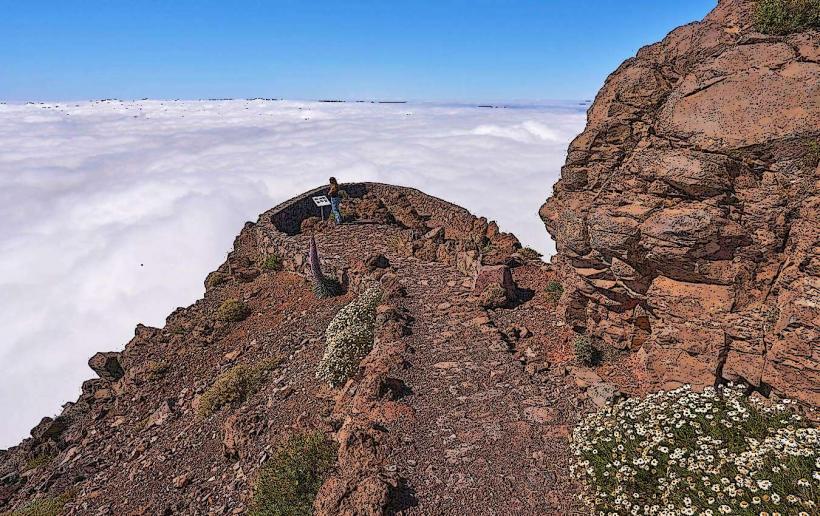
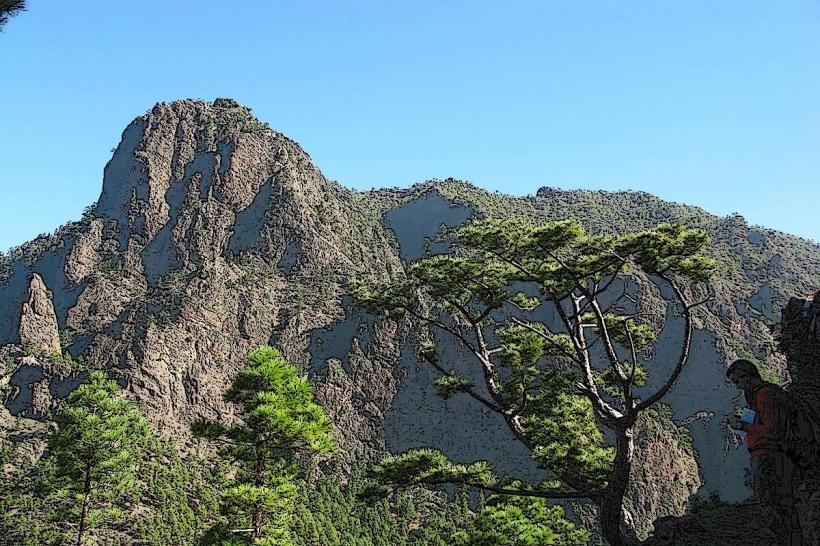
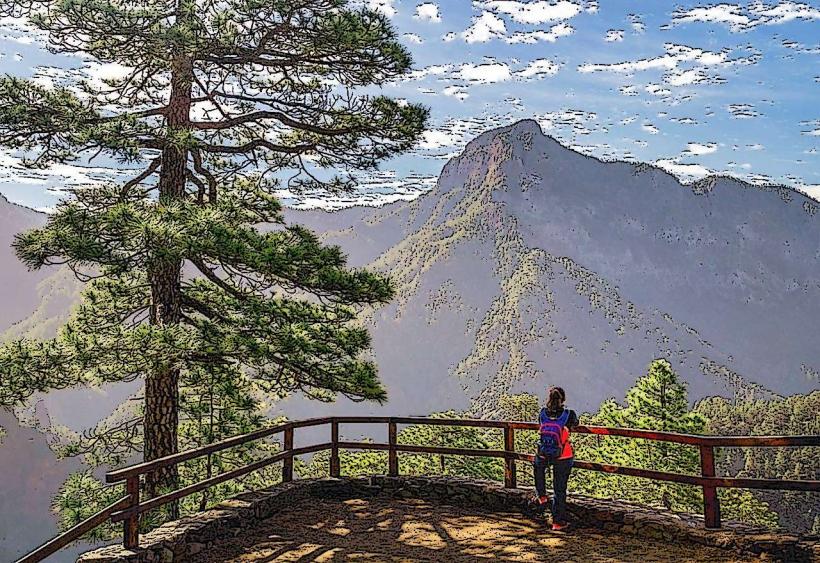
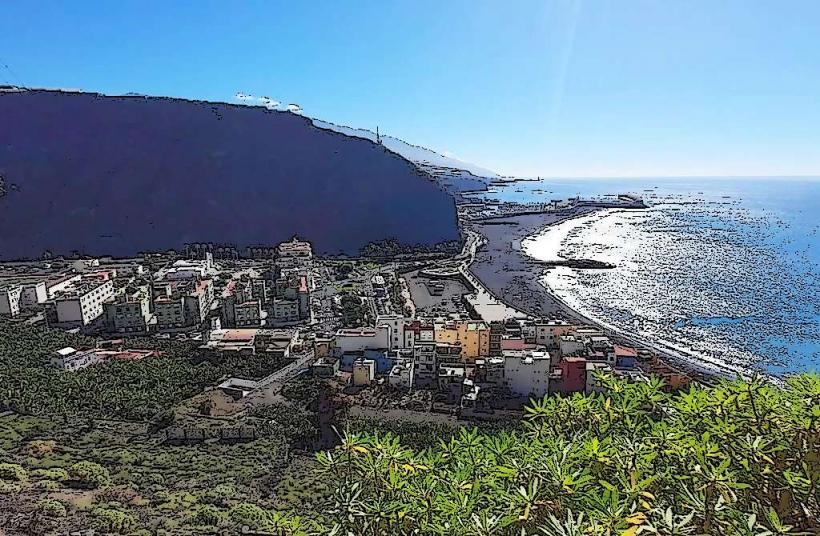
The site provides panoramic vistas of the immense Caldera de Taburiente, characterized by its steep, eroded volcanic walls and dense Canary Island pine forests. The surrounding terrain is rugged, featuring exposed volcanic rock formations and sparse high-mountain vegetation. On clear days, views extend to the neighboring islands of Tenerife and La Gomera.
Location & Access Logistics
Located approximately 28 kilometers southwest of Santa Cruz de La Palma, the Arecida de las Nieves is accessible via the LP-4 (Carretera de la Cumbre), which traverses the island's central ridge. A designated parking area is available directly at the viewpoint. Public transport to this specific location is not available; access requires a private vehicle or taxi.
Historical & Ecological Origin
The Arecida de las Nieves is a natural geological feature, forming part of the rim of the Caldera de Taburiente. This caldera is a large erosion crater, sculpted over millions of years by volcanic activity followed by extensive erosion. Its high elevation contributes to a distinct high-mountain ecosystem within the national park.
Key Highlights & Activities
Visitors primarily engage in observing the vast landscape of the Caldera de Taburiente and the surrounding peaks. The viewpoint serves as a starting point for several hiking trails, including sections of the GR 131 long-distance path, which follows the island's ridge. Photography of the unique geological formations and cloud inversions is a popular activity.
Infrastructure & Amenities
Basic infrastructure at the site includes informational panels detailing the geology and ecology of the area. Restrooms are not available directly at the viewpoint. Shade is minimal, provided only by scattered pine trees. Cell phone signal (4G) is generally available. There are no food or beverage vendors at the immediate location.
Best Time to Visit
The optimal time to visit for clear visibility is during the morning hours, as cloud cover frequently develops in the afternoons, particularly over the caldera. The months from April to October typically offer the most stable and favorable weather conditions. Winter visits may encounter snow or significantly reduced visibility due to fog.
Facts & Legends
The name "Nieves" (snows) refers to the historical practice of collecting snow and ice from this high-altitude area. This collected snow was then transported down to lower villages for preservation and use, a tradition that continued until the mid-20th century. It is one of the few locations on La Palma where snow reliably accumulates during colder winter periods.
Nearby Landmarks
- Pico de la Cruz: 4km North
- Roque de los Muchachos: 15km North
- Mirador de la Cumbrecita: 12km South-West
- Refugio del Pilar: 12km South-East