Information
Landmark: Mirador de la CumbrecitaCity: La Palma
Country: Canary Islands
Continent: Europe
Mirador de la Cumbrecita, La Palma, Canary Islands, Europe
Overview
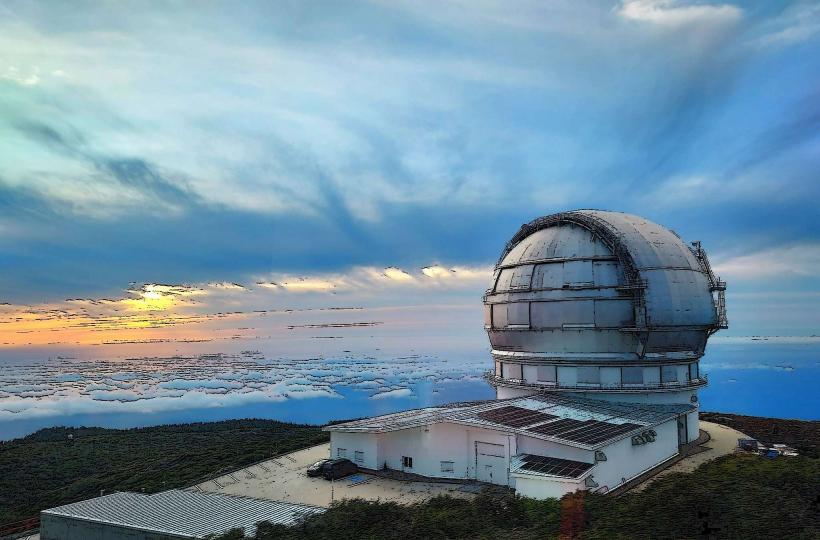
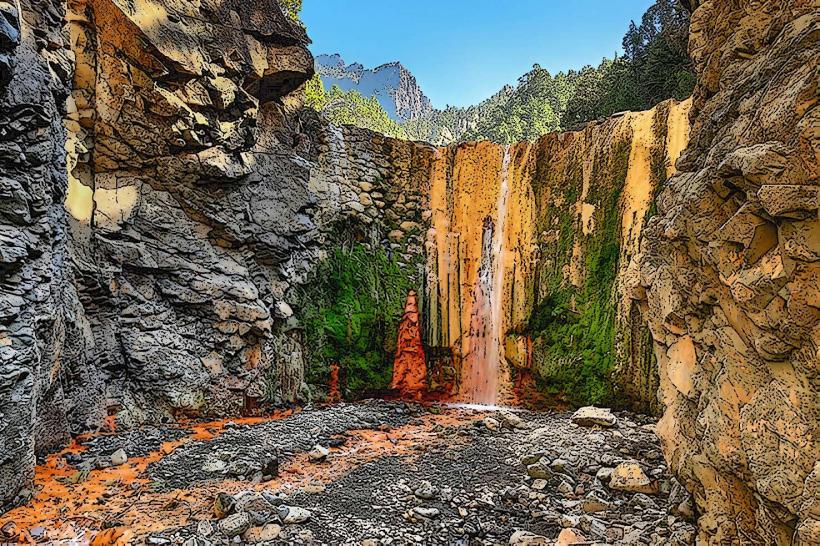
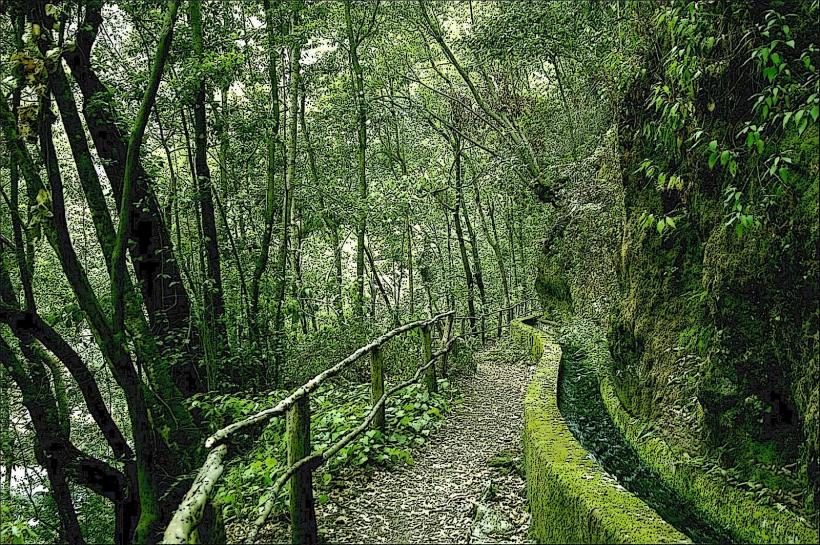
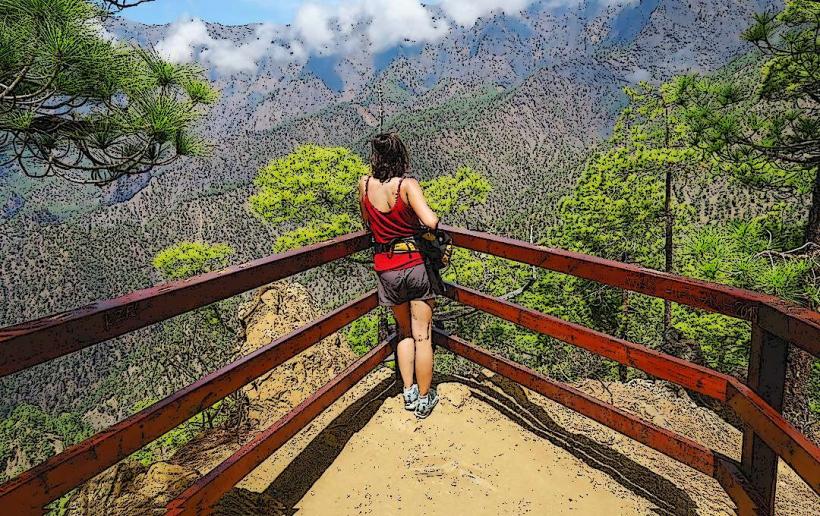
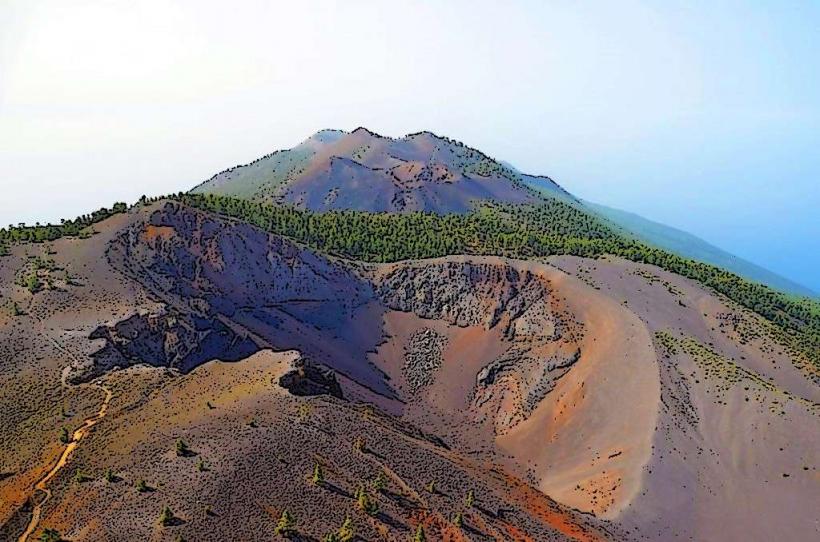
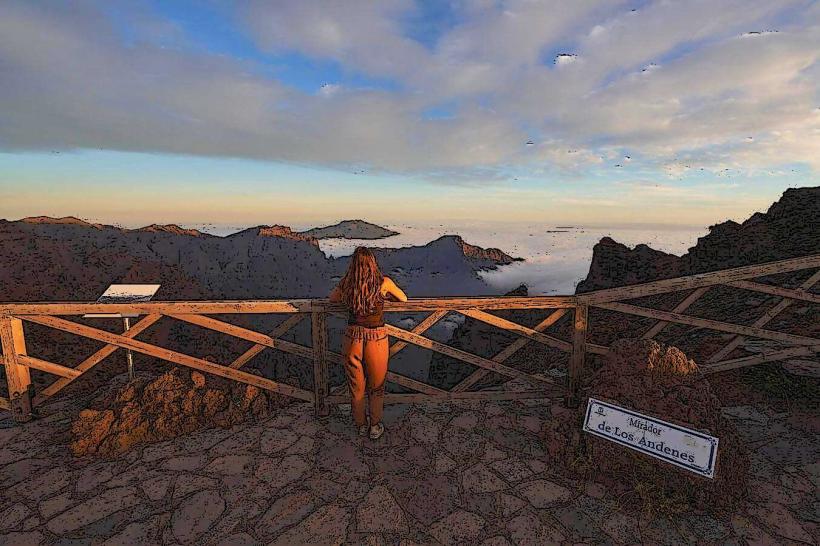
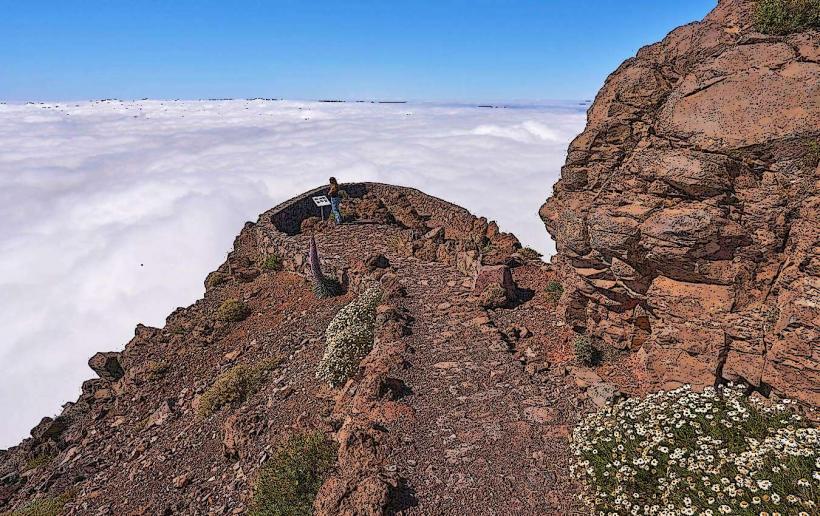
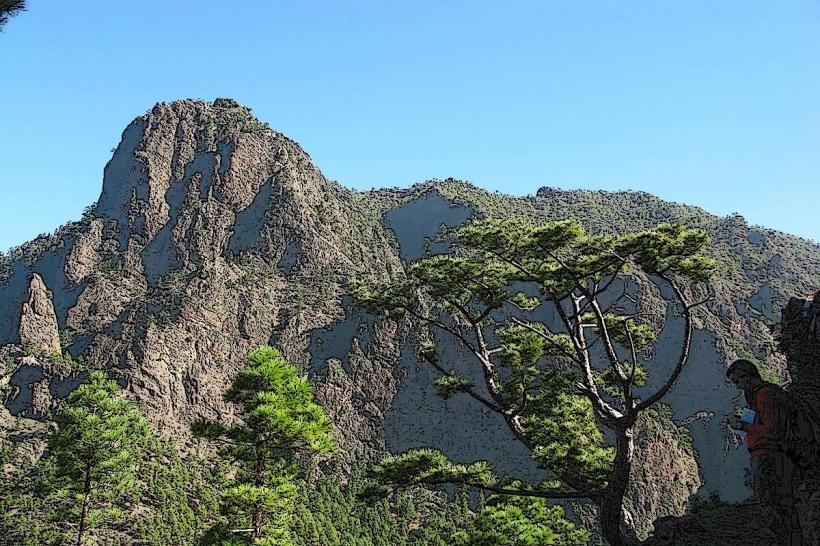
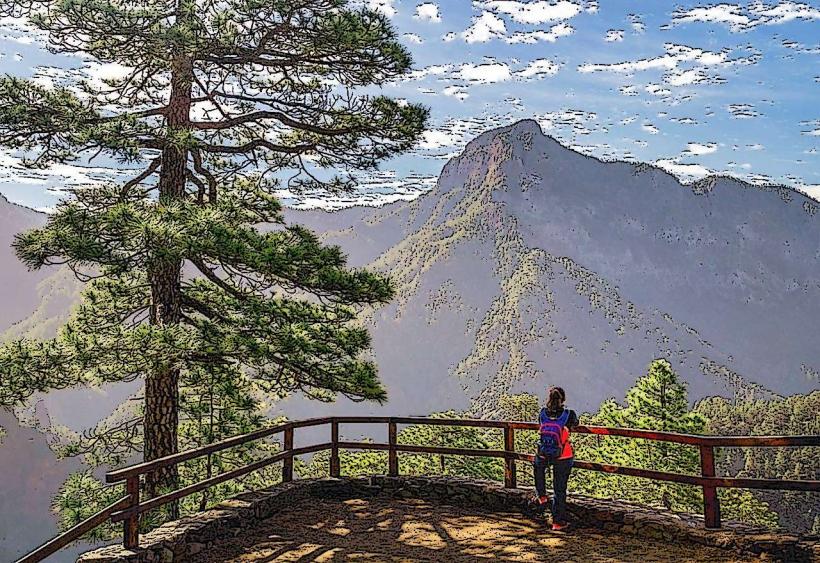
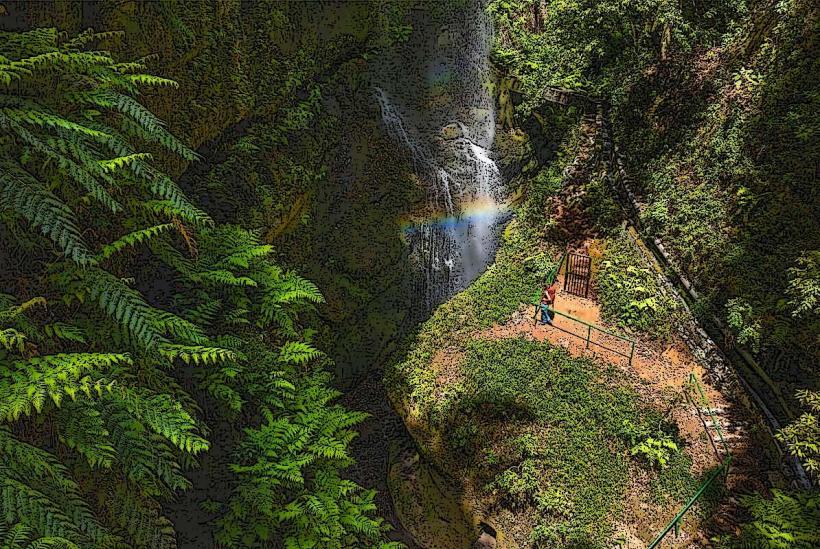
Mind you, Perched high in Caldera de Taburiente National Park, Mirador de la Cumbrecita offers a breathtaking view over La Palma’s rugged cliffs and the deep greens of the Canary Islands, Spain, therefore this spot is among the park’s most visited and easiest to reach, with sweeping views of the Caldera de Taburiente-a vast volcanic crater ringed by jagged peaks and shadowy, plunging ravines.If you’re exploring La Palma’s wild beauty, don’t miss the viewpoint-on a clear day, you can observe the ocean shimmering far below, after that the Mirador de la Cumbrecita sits about 1,200 meters above sea level, perched on the western rim of the Caldera de Taburiente where pine-scented breezes drift through the air.To be honest, The viewpoint sits inside Caldera de Taburiente National Park, a UNESCO Biosphere Reserve, and you can reach it by car in about half an hour from Santa Cruz de La Palma, the island’s bustling capital, also starting in the nearby town of El Paso, you’ll wind your way along twisting roads with sweeping views of rugged hills and sunlit valleys.A compact parking lot sits by the viewpoint, but it often fills brisk when tourist season peaks, in turn to snag a spot, it’s best to show up early or wait until the crowds thin later in the day.From the Mirador de la Cumbrecita, you’ll perceive the Caldera de Taburiente spread out below-an immense, ancient volcanic crater that dominates the island’s heart, therefore perched in the perfect spot, the viewpoint opens up to the Caldera, with jagged peaks, shadowed ravines, and deep green forests stretching as far as you can perceive.From the lookout, you can spot the Caldera de Taburiente-a vast volcanic basin nearly 10 kilometers across, its rim etched against the sky, after that steep cliffs tower overhead, while dense green forests spill into shadowy ravines.From the lookout, you get a sweeping view of the caldera’s striking rock walls and ridges, to boot off in the distance rises Roque de los Muchachos, La Palma’s tallest peak, reaching 2,426 meters into the clear mountain air.Rising high above the island, it’s crowned by the world‑famous Roque de los Muchachos Observatory, where crystal‑clear skies stretch overhead, likewise around it, dense laurel forests cling to the slopes, and deep ravines slice through the gloomy volcanic rock.These forests, part of a UNESCO Biosphere Reserve, teem with rare plants and remarkable biodiversity, from moss-covered trunks to orchids hiding in the shade, consequently gran Roque, a striking peak in the volcanic ring around the caldera, rises sharply against the sky.From the lookout, the view feels even more dramatic, and in the rainy season you might catch waterfalls spilling in silver streams down the cliffs into the caldera, also these natural features bring an extra spark of beauty to the already breathtaking scenery, where the air smells of pine.The Mirador de la Cumbrecita offers sweeping views of the rugged hills and also marks the starting point for several inviting hiking trails, equally important among the area’s standout hikes is the La Cumbrecita Trail, a short loop that begins at the viewpoint, where the air smells of pine, and winds through the surrounding landscape on foot.The trail winds through shady forest near the caldera, where petite wooden signs share facts about local birds, wildflowers, and the land’s volcanic past, to boot it’s a moderate hike, taking about one to two hours to finish.You’ll get a close-up behold at the caldera and the mountains that frame it, while the Barranco de las Angustias trail winds down into the basin through ferns and laurel, opening onto sweeping views of deep ravines and wide valleys, in turn the hike leads you deep into the park and demands more effort than the La Cumbrecita Trail, a little Oddly enough, The Ruta de los Volcanes, though it doesn’t begin at the Mirador de la Cumbrecita, is a well-known path tracing the island’s volcanic ridge, where shadowy lava rock crunches underfoot, to boot from its vantage point, you can take in wide, dramatic views of the island’s volcanic slopes before winding across the rough, rocky path to Roque de los Muchachos.Go in the morning-when the sun spills over the caldera and the air is crystal clear-for the best photos, and the crisp morning air makes the hike easier to enjoy.At sunset, the viewpoint glows as golden light spills across the mountains and valleys, as a result for truly breathtaking views, go on a clear day.La Palma’s shifting microclimates can wrap the island in thick clouds, especially in winter, when damp mist clings to the hillsides, as well as it’s a good idea to check the weather forecast first.Parking’s limited-a tight gravel lot-and in peak tourist season, it fills fleet, equally important arrive early if you want to skip waiting for a spot.The viewpoint has a few basics-signs with trail maps, a couple of weathered benches, and a trash bin-but don’t expect full services on-site, as a result if you’re heading out for a hike, pack water, sunscreen, and sturdy shoes-the trail can get rough and sunny.For a closer peek at the area’s wildlife and geology, join one of the guided tours, along with local guides lead tours that reveal the Caldera de Taburiente’s striking geology, colorful wildflowers, and rare wildlife.From the Mirador de la Cumbrecita, you can take in one of the park’s easiest yet most breathtaking views, with pine-scented air drifting around you, on top of that whether you’re pausing for a quick scan or wandering the trails on foot, the viewpoint offers sweeping views of La Palma’s rugged volcanic slopes, shadowy with cooled lava.From this spot, you can take in the vast caldera, mountains rising in layered blues, and the dense green forests that earn this part of the island its UNESCO Biosphere Reserve status, simultaneously whether you love hiking, chasing wild landscapes, or framing the perfect shot, you can’t skip this lookout in La Palma, where the ocean glints like glass far below.
Author: Tourist Landmarks
Date: 2025-09-08