Information
Landmark: Museo Insular de La PalmaCity: La Palma
Country: Canary Islands
Continent: Europe
Museo Insular de La Palma, La Palma, Canary Islands, Europe
Overview
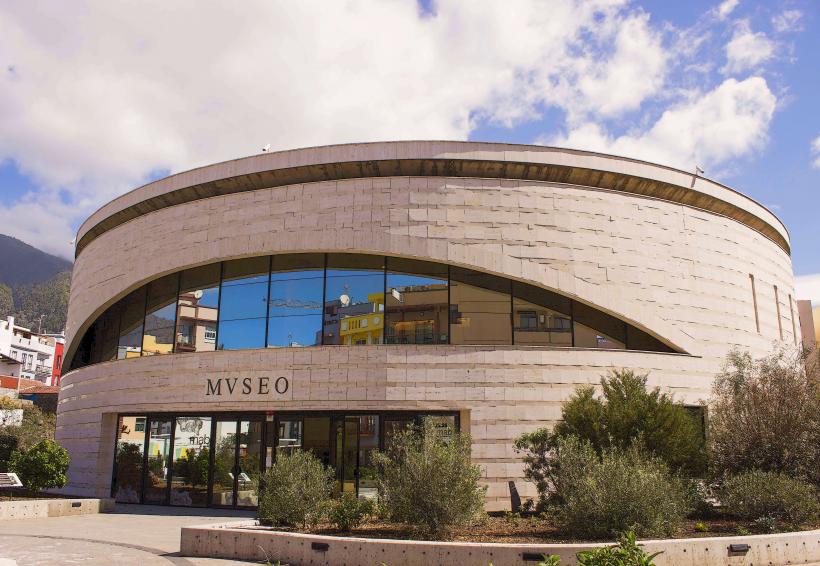
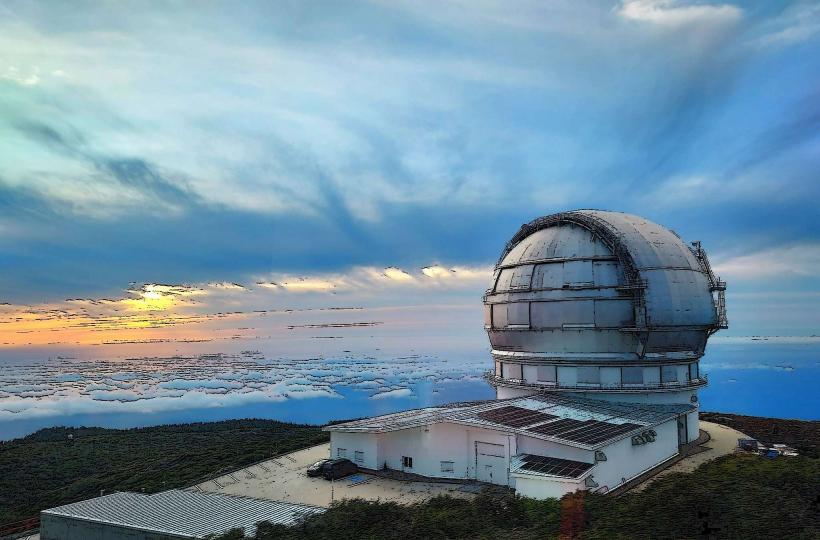
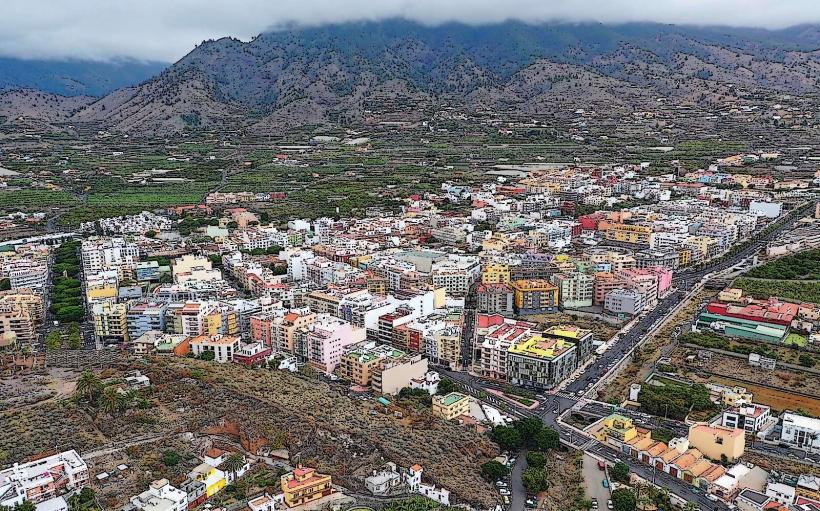
The Museo Insular de La Palma, or La Palma Island Museum, stands as one of the island’s main cultural landmarks, right in the heart of the Canary Islands, Spain, moreover in Santa Cruz de La Palma, the island’s bustling capital, this museum invites you to explore its deep history, vibrant culture, and wild natural heritage, from ancient maps to the scent of classical wooden ship decks, roughly Visitors will find it a fascinating area to trace the island’s journey, from ancient volcanic rock to the bustle of modern life, to boot the Museo Insular de La Palma, located in Santa Cruz de La Palma in Spain’s Canary Islands, is run by the island’s local government, the Cabildo Insular.Inside, you’ll find exhibits that trace La Palma’s story from its pre-Hispanic roots-featuring the Guanches, the island’s first inhabitants-to the era of Spanish conquest and the sweeping cultural shifts that followed, with artifacts like worn stone tools and faded maps bringing the history to life, to boot the museum holds archaeological treasures-weathered tools, earthenware, and relics-that shed light on the ancient peoples of La Palma.Among its most striking pieces are island finds like rough ceramic bowls, stone blades still sharp at the edge, and the mummified remains of the Guanches, each offering clues to the island’s earliest stories, on top of that you’ll also find the ethnographic collection, where woven baskets, farming implements, and scenes of everyday work reveal the rhythms of traditional life.Visitors can discover how the island has long grown bananas, grapes, and tobacco-crops that have fueled its economy for centuries, in addition worn leather boots, hand-carved tools, and brightly embroidered costumes reveal the traditions and craftsmanship of La Palma’s people, past and present.One gallery focuses on the island’s natural history, displaying its rich biodiversity and rare ecosystems, as well as the museum’s natural history collection showcases the island’s lush laurel forests, rugged volcanic cliffs, and rare endemic species, while also highlighting its UNESCO Biosphere Reserve status.The museum showcases La Palma’s rich ecological diversity, standing out as one of the Canary Islands’ most unique treasures, and it’s set inside a grand historic building in the bustling heart of Santa Cruz de La Palma, the island’s capital, where the scent of sea air drifts through its heritage wooden doors, furthermore the building stands out as a fine example of traditional Canarian design, with carved wooden balconies, cool stone facades, and spacious courtyards that echo with footsteps.As it happens, Set in the heart of the antique town, the museum draws you in, and when you step outside, you can wander along sun‑warmed cobblestones past centuries‑classical landmarks, and the museum’s main exhibitions span several floors, each one dedicated to a different chapter of La Palma’s history and culture-like artifacts from volcanic eruptions on one level and traditional island crafts on another.Alongside the exhibits, you’ll find clear, detailed notes-like a sketch of an ancient coin-that help make the museum engaging for both locals and visitors, subsequently notable Exhibits – Guanches Artifacts: A highlight of the museum is the section devoted to the Guanches, La Palma’s first inhabitants, where you can observe tools worn smooth by centuries of use.Visitors can wander past worn stone tools, clay pots still marked with fingerprints, and even mummified remains-each piece revealing vivid details of the Guanches’ daily life and traditions, and la Palma’s Natural History Collection showcases the island’s one-of-a-kind landscape, bringing its biodiversity to life with displays of endemic species like the dazzling green La Palma parakeet and the soft gray Canary Islands pigeon.Frankly, The museum features exhibits on the island’s volcanic past, with colorful geological maps and clear explanations of how its fiery origins shaped the land, moreover the museum also celebrates the island’s traditional craftsmanship, displaying handmade pottery warm from the kiln, carved wooden figures, vibrant woven textiles, and delicate jewelry that capture La Palma’s cultural heritage.Alongside its permanent collections, the museum often stages temporary shows-sleek contemporary pieces, striking photographs, even paintings fresh from a local artist’s easel, at the same time these exhibitions open a window into La Palma’s lively cultural life, from colorful street murals to the echo of music drifting through the plaza.The museum’s all about learning, offering lively workshops and hands-on programs for both kids and adults-like painting sessions where brushes clatter in jars between strokes, after that the activities invite visitors to explore the island’s rich cultural and natural history, making it a welcoming spot for families and school groups.The museum hosts lectures and cultural events that dive into La Palma’s history, art, and science-sometimes with vivid photographs or rare artifacts on display, in addition it’s usually open Tuesday through Saturday, though the hours shift depending on the day.Oddly enough, For the latest details on hours and ticket prices, check the museum’s official website or give them a call-you might hear the faint echo of footsteps in the background, furthermore admission to the Museo Insular de La Palma is usually easy on the wallet, with discounts for students, seniors, and kids.Ticket prices can change for special exhibitions or events, in turn the museum sits in the heart of Santa Cruz de La Palma, just a short wander past the ancient stone fountain from many parts of the city.It seems, The building welcomes visitors with disabilities, and just down the road, Santa Cruz de La Palma offers colonial-style facades, centuries-timeworn landmarks, and narrow cobblestone streets that echo underfoot, not only that you can wander over to nearby sights like the sunlit Plaza de España, step inside the Church of El Salvador, or browse the exhibits at the La Palma History Museum.If I’m being honest, In Santa Cruz de La Palma’s ancient Town, a UNESCO Biosphere Reserve, you’ll find some of the island’s best-preserved traditional buildings-wooden balconies weathered smooth by centuries of sea air, therefore people come to the town for its lively vibe, the glowing art on gallery walls, and the smell of fresh coffee drifting from its cafés.High on La Palma’s tallest peak, the Roque de los Muchachos Observatory ranks among the world’s most critical sites for studying the stars, its white domes standing vivid against the deep blue sky, simultaneously visitors can drop by the observatory for a guided tour, then step outside to spot distant stars through its grand silver telescope.In short, the Museo Insular de La Palma packs the island’s history, culture, and wild beauty into one vibrant space, from weathered stone artifacts to vivid botanical displays, and whether you’re drawn to the island’s ancient indigenous culture, its rugged volcanic slopes, or the intricate weave of its traditional crafts, the museum pulls you in with a rich, hands-on journey through La Palma’s story.Right in the heart of Santa Cruz de La Palma, it’s a must‑visit for anyone hoping to grasp the island’s culture and history, from its cobbled streets to the salt on the sea breeze.
Author: Tourist Landmarks
Date: 2025-09-08