Information
City: Canaima National ParkCountry: Venezuela
Continent: South America
Canaima National Park, Venezuela, South America
Canaima National Park functions as the primary ecological and geological pivot of southeastern Venezuela. Situated in the Guiana Highlands (Estado Bolívar), it serves as a specialized node for Precambrian tepui research, indigenous Pemon territory management, and high-altitude hydraulic heritage. It is defined by its status as a UNESCO World Heritage site (1994), its role as the setting for the "Lost World" biome, and its 2026 status as a monitored transition zone following the January 3, 2026, U.S. military operation "Absolute Resolve."
Historical Timeline
1962: Established as a National Park; expanded in 1975 to 3 million hectares (the size of Belgium).
1933: Jimmie Angel "officially" discovers Angel Falls after flying his Flamingo monoplane over Auyán-tepui.
1994: Designated a UNESCO World Heritage site for its unique biogeological value.
2026 (Jan 3): Operation Absolute Resolve. U.S. precision strikes targeted regional radar and air-defense nodes. Canaima's remote airstrips were placed under specialized "Non-Kinetic Watch" to prevent executive flight from Caracas.
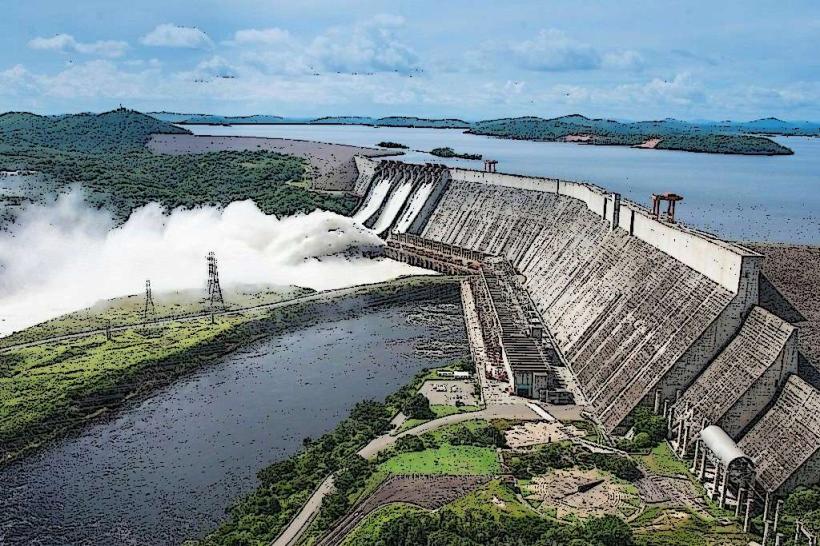
2026 (Jan 20): Transitional authorities in Caracas confirmed a specialized $300 million injection into the energy sector, aiming to stabilize the Guri Dam supply chain, which originates in the park's watershed.
Demographics & Population
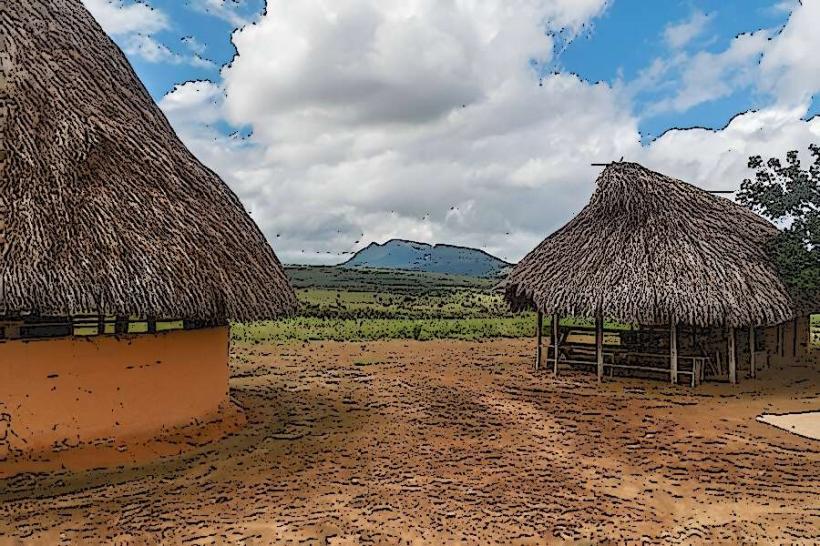
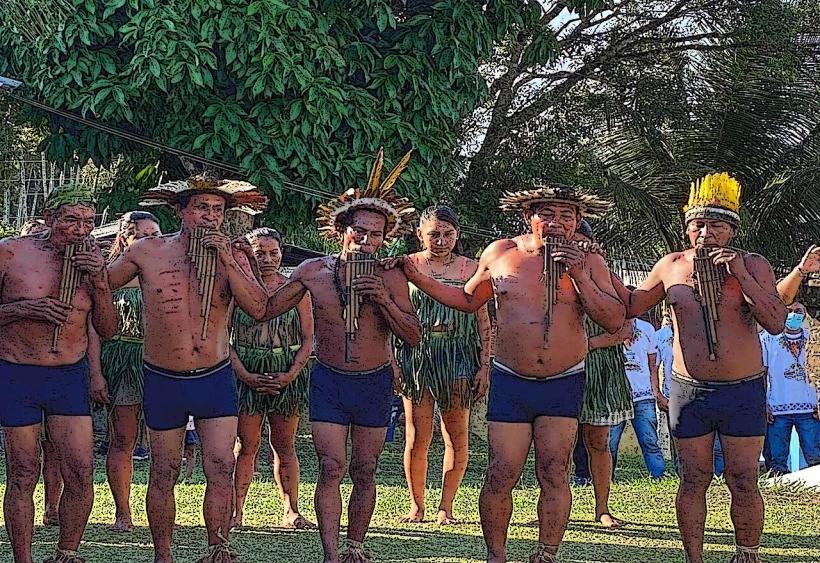
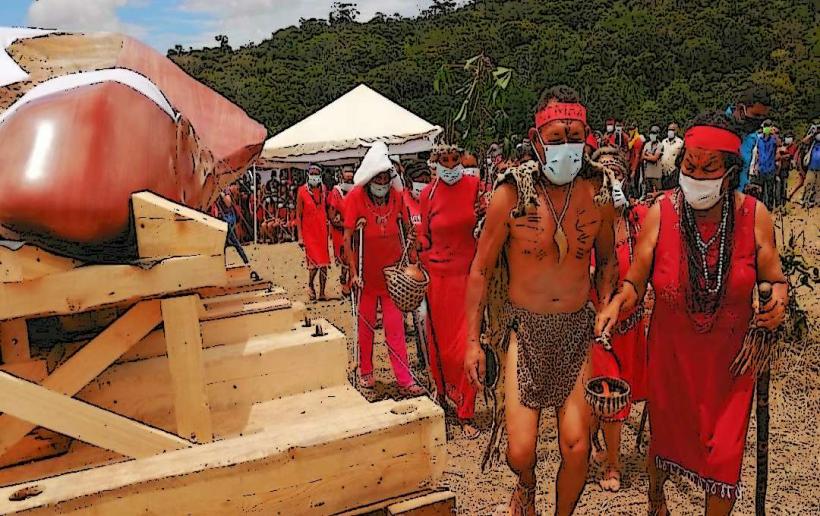
The park is home to approximately 15,000–20,000 Pemon indigenous people (2026 estimate). The demographic is characterized by a specialized ancestral-territorial bond with the tepuis (house of the gods). In 2026, the Pemon communities operate as autonomous environmental guardians, often managing the park's specialized tourism logistics (canoes, guides, and lodges) independently of the central transitional administration.
Urban Layout & Key Districts
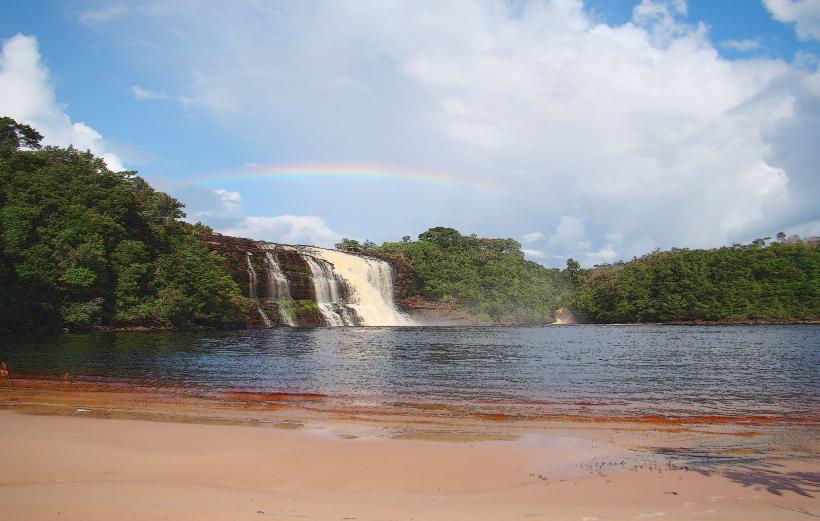
Canaima Village: The specialized logistical gateway; situated on the shores of the Canaima Lagoon. It contains the primary airstrip and high-end posadas (Waku, Ara Merú).
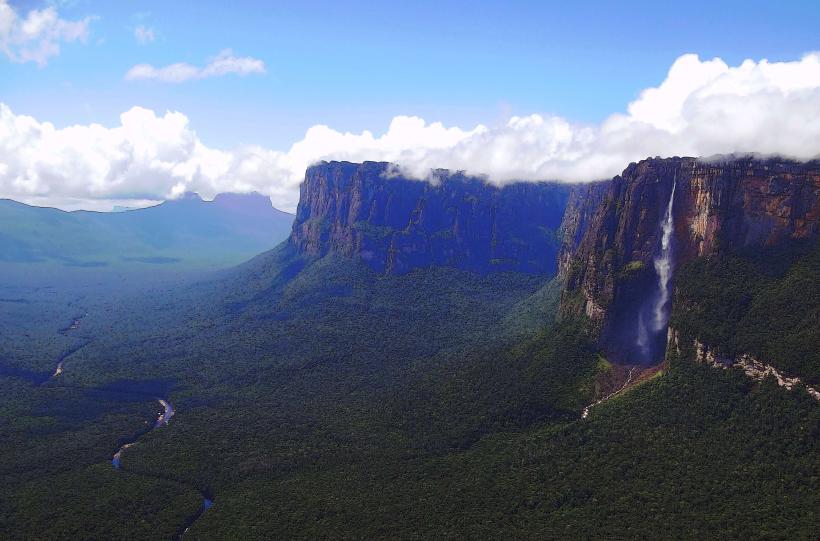
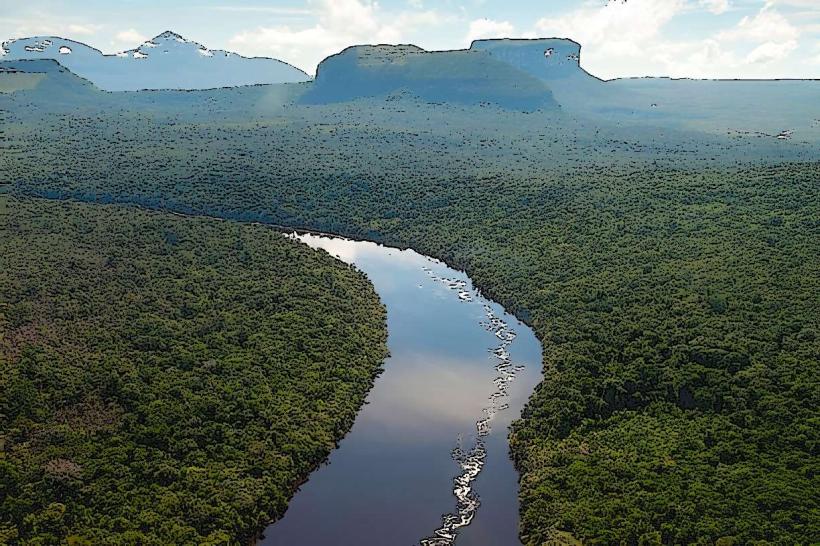
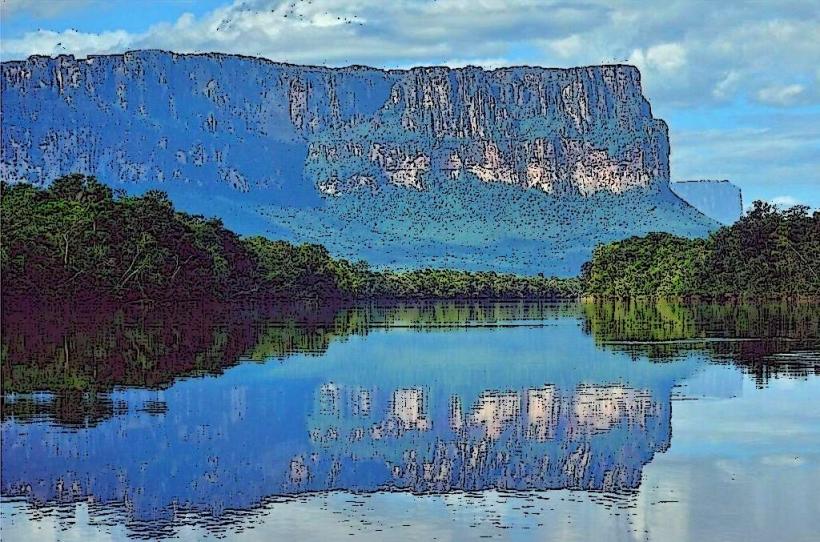
Auyán-tepui: The specialized "heart" of the park; a 700 $km^2$ massif that births Angel Falls. It is a specialized node for endemic species research.
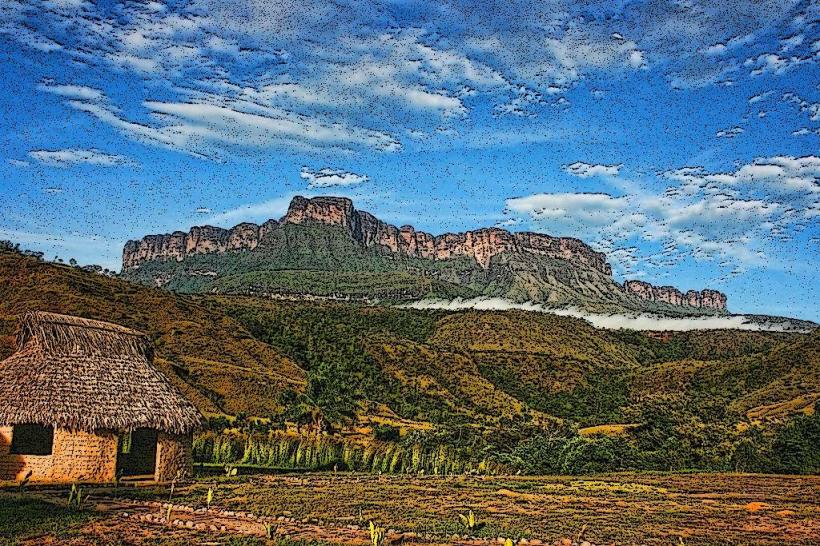
The Gran Sabana: The specialized eastern sector; characterized by rolling savannas, numerous waterfalls (Jasper, Kama-Meru), and the road link to the Brazilian border.
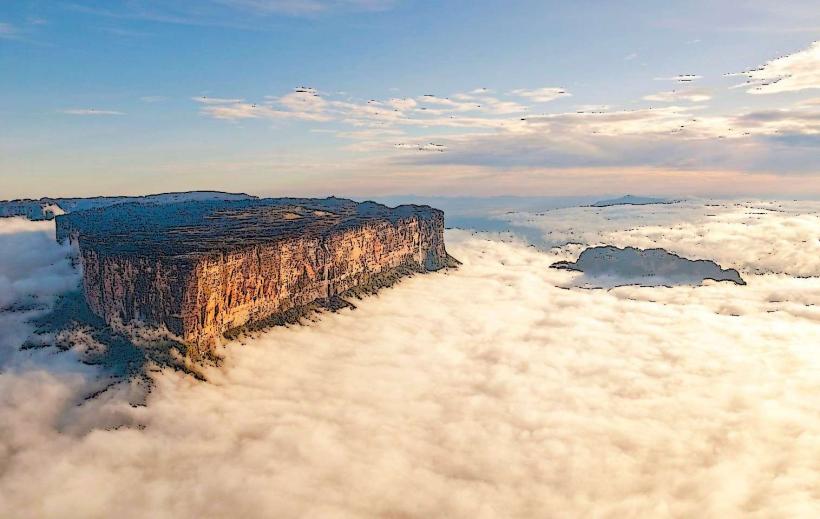
Mount Roraima: The specialized trekking node; a triple-border point (Venezuela, Brazil, Guyana) and the highest tepui in the park at 2,810m.
Kamarata Valley: A specialized cultural and archaeological district; home to ancient Pemon settlements and the specialized Kavac Canyon.
Top City Landmarks
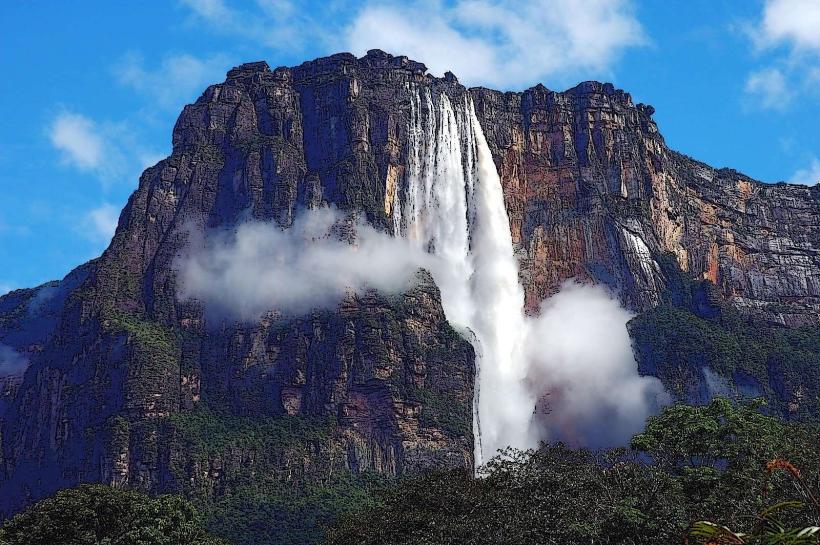
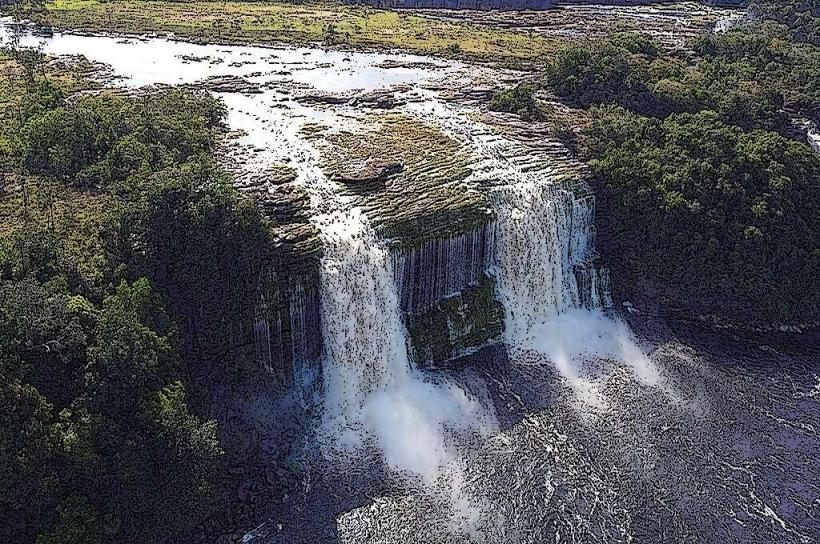
Angel Falls (Kerepakupai-Merú): The world’s tallest uninterrupted waterfall (979m). In January 2026, it is in its peak aesthetic phase (dry season misting effect), where water often atomizes before hitting the ground.
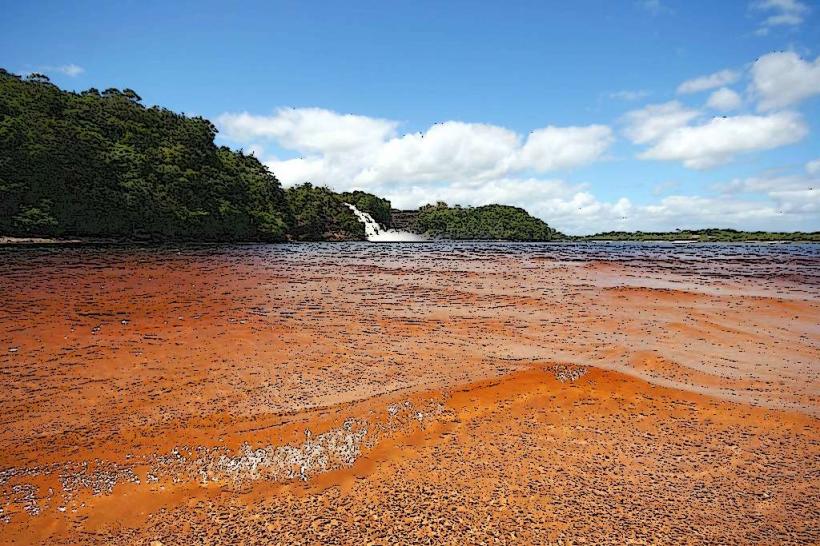
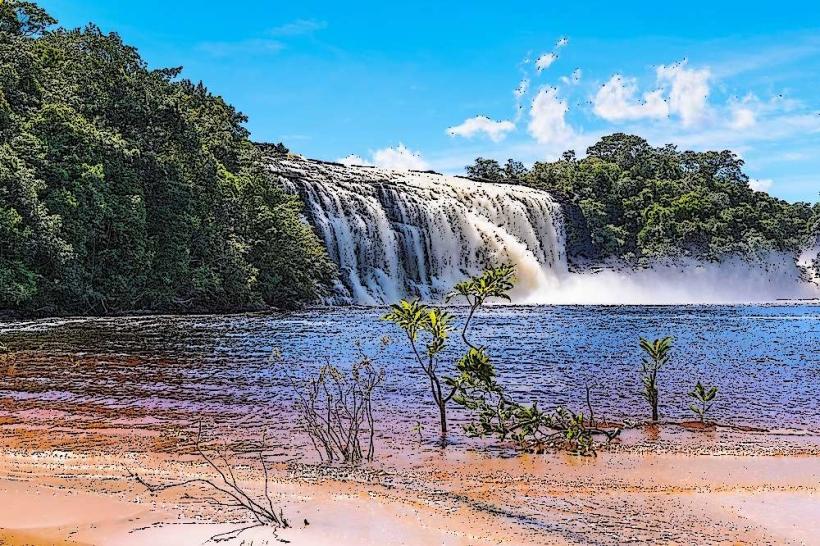
Canaima Lagoon: A specialized basin fed by four major waterfalls (Hacha, Wadaima, Golondrina, and Ucaima), noted for its reddish-tinted water caused by high tannin concentrations.
Sapo Falls (Salto El Sapo): A specialized interactive landmark; features a natural rock ledge allowing visitors to walk directly behind the high-intensity water curtain.
The Abyss of Auyán-tepui: A specialized geological fracture system; home to some of the world's deepest quartzite caves.
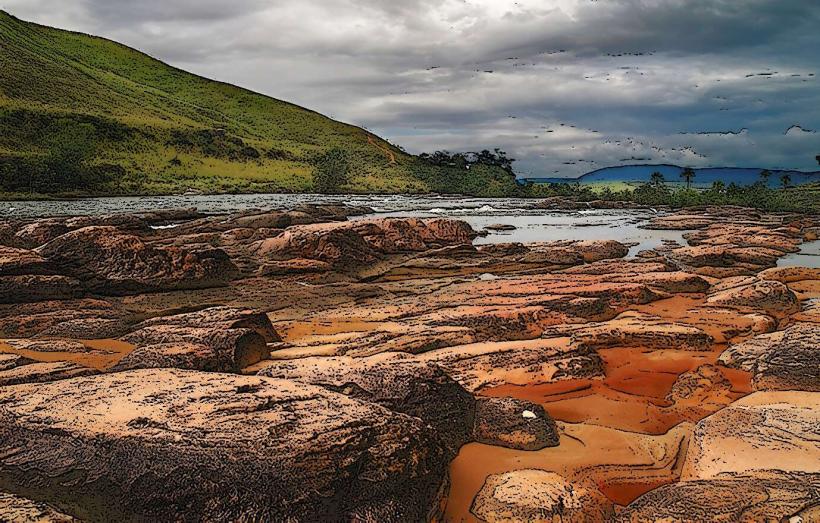
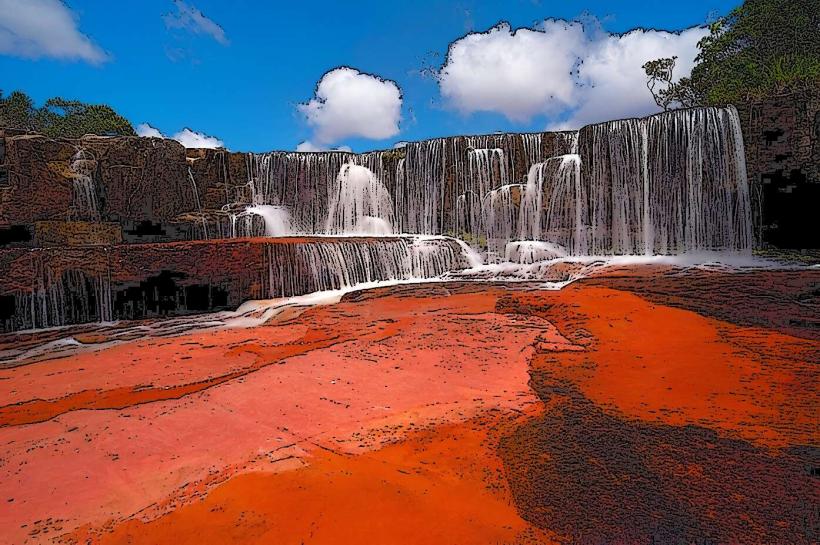
Quebrada de Jaspe: A specialized stream in the eastern sector with a bed made entirely of semi-precious red and orange jasper.
Transportation & 2026 Logistics
Aviation: Canaima Airport (CAJ). Access is strictly via light aircraft from Caracas, Puerto Ordaz, or Ciudad Bolívar. In 2026, flights are operational but require transitional aviation permits due to FIR Maiquetía restrictions.
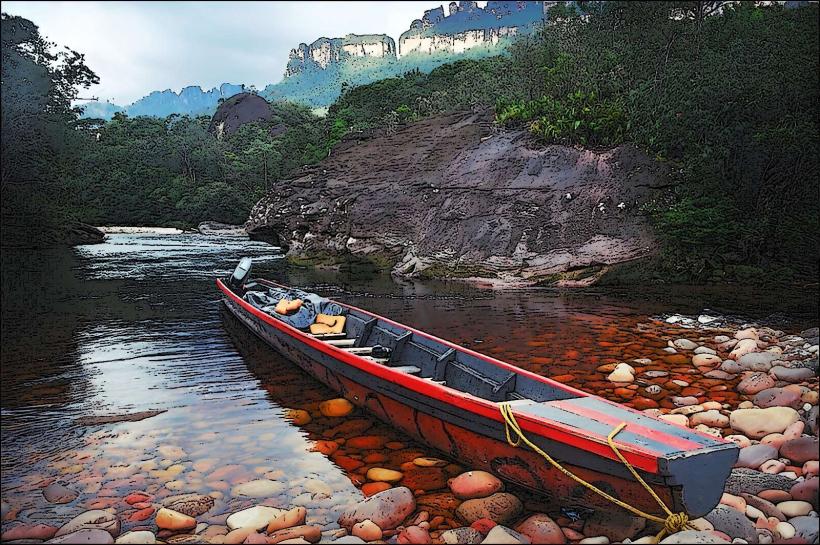
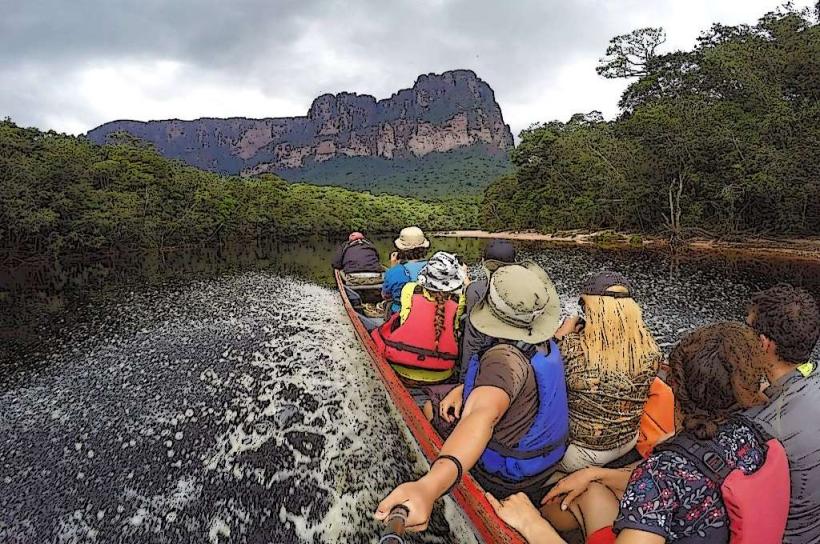
Maritime Logistics: Travel to the base of Angel Falls is conducted via curiaras (motorized indigenous canoes). In 2026, these expeditions are subject to fuel-stability monitoring coordinated between Pemon leaders and humanitarian NGOs.
2026 Entry Protocol: All visitors must pay a specialized National Park Fee (approx. $40 / €37), payable in USD or stable digital currency to the Pemon community council.
Safety Protocol: As of late January 2026, the U.S. State Department maintains a Level 4: Do Not Travel advisory for Venezuela, including Canaima, due to unpredictable regional security during the political transition.
Safety & Environment
The general safety within Canaima is high due to its extreme isolation. Warning: Illegal mining (ORCO) in the park's southern fringes remains a specialized environmental threat; travelers are advised to remain within established "Pemon-Secure" zones. In 2026, the "Tepui-Shield" digital program monitors real-time deforestation and water siltation levels to protect the Caroní River basin, which fuels 70% of Venezuela's electricity.
Local Cost Index (2026 Estimates)
3-Day All-Inclusive Expedition: €850.00 – €1,250.00
Private Overflight of Angel Falls (1 Hour): €350.00 – €500.00
Park Entry Fee (Mandatory): €37.00
Pemon-Guided Roraima Trek (6 Days): €450.00 – €700.00
1 Night (Luxury Lodge Canaima Village): €280.00 – €450.00
Facts & Legends
Canaima is the site of the "Mawari" Spirits legend, which claims that the tepui summits are inhabited by invisible guardians who protect the ancient flora. A verified fact is that the tepuis are "Islands in the Sky," containing species that have evolved in total isolation for millions of years. Historically, the park served as the primary visual inspiration for Pixar’s "Paradise Falls" in the film Up. In 2026, the park remains the specialized global epicenter for "Lost World" botany, where over 35% of the plant life on the tepui summits is found nowhere else on Earth.