Information
Landmark: La GraciosaCity: El Hierro
Country: Canary Islands
Continent: Europe
La Graciosa, El Hierro, Canary Islands, Europe
La Graciosa is the smallest inhabited island of the Canary Islands, situated in the Chinijo Archipelago immediately north of Lanzarote. It is known for its volcanic landscape and sandy beaches.
Visual Characteristics
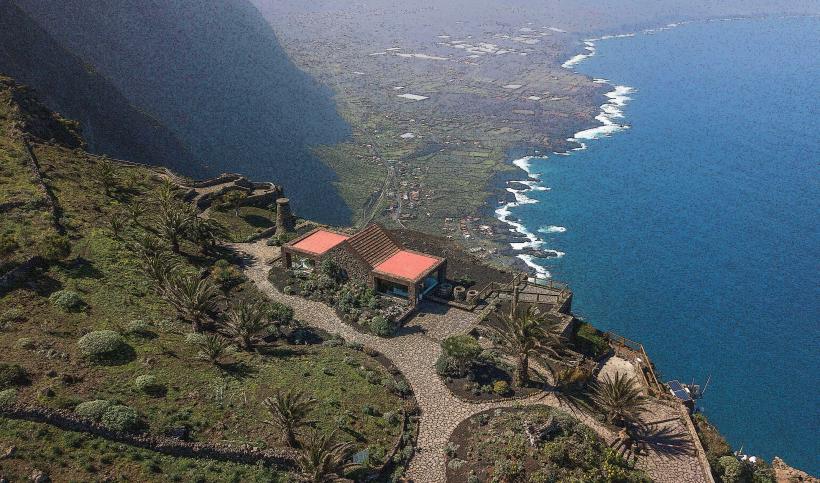
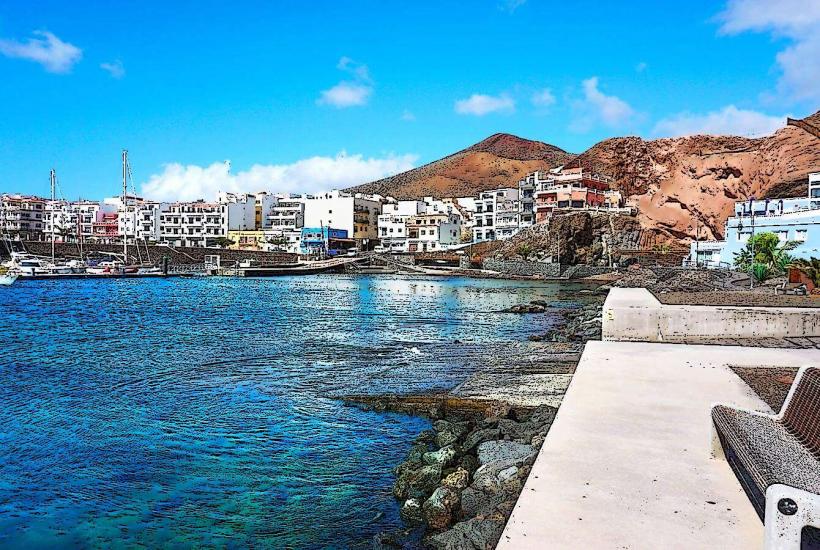
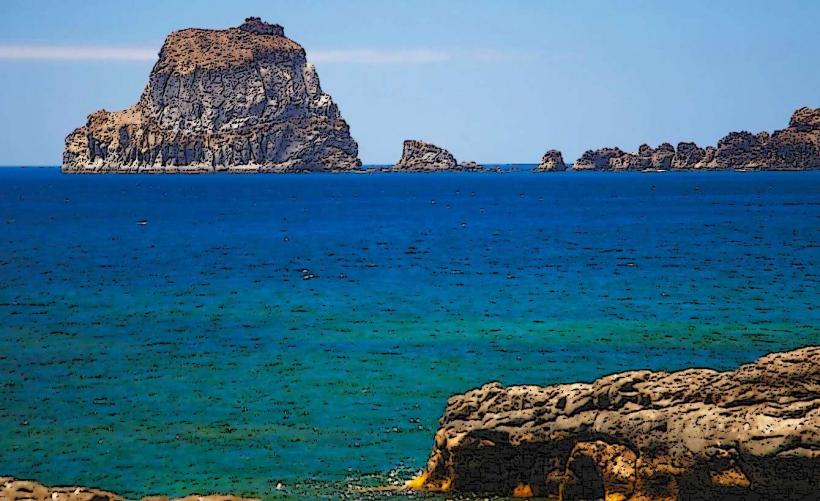
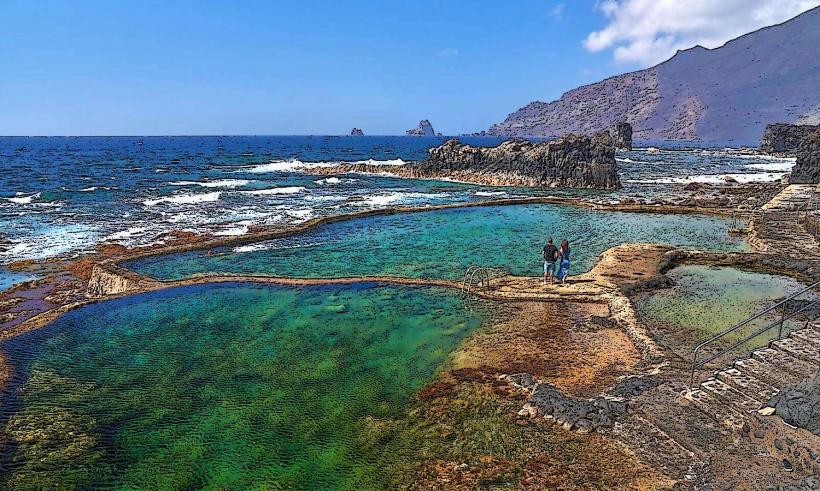
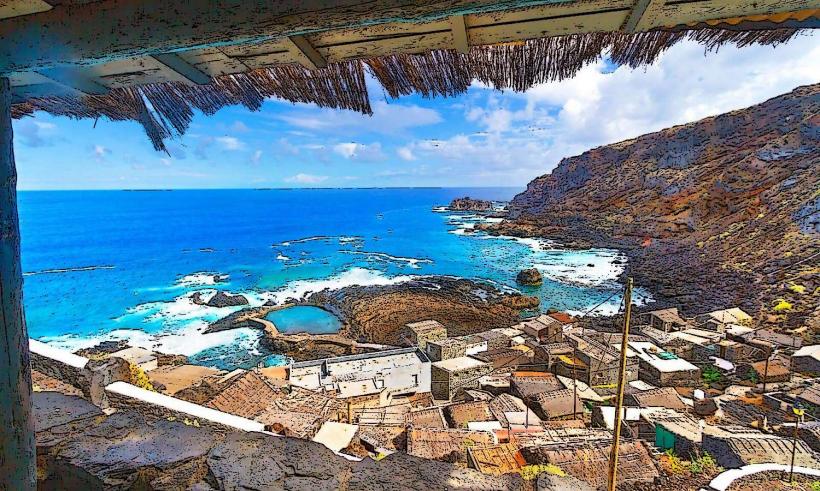
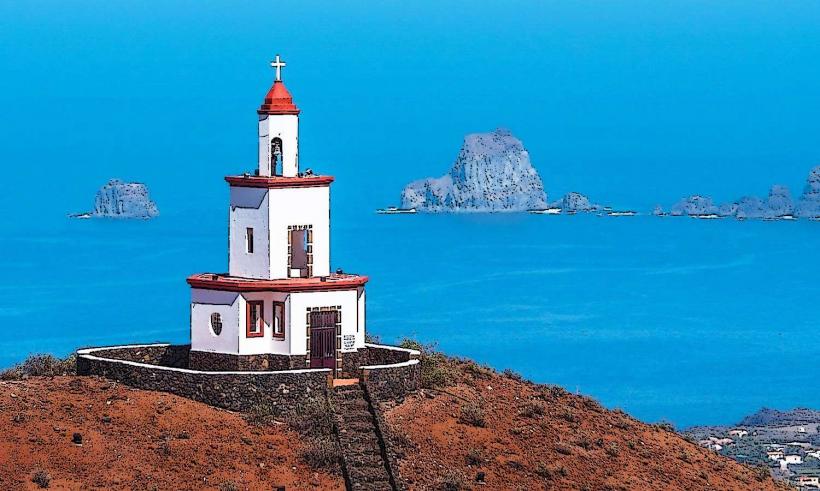
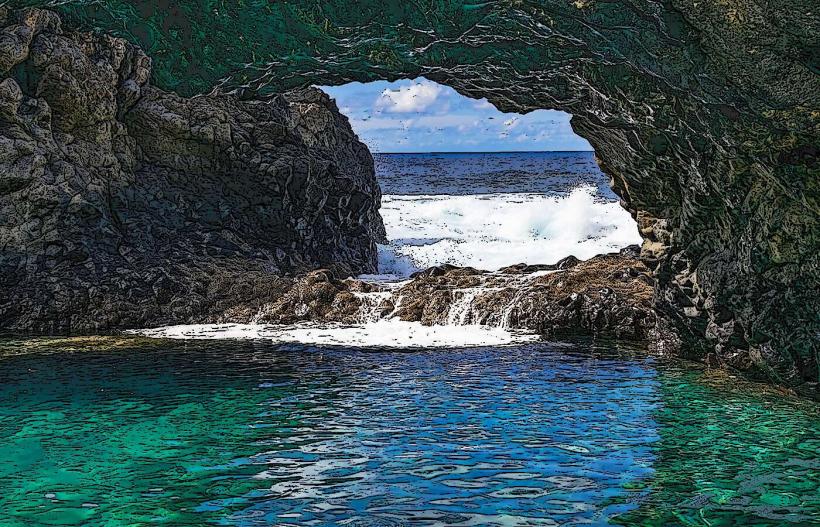
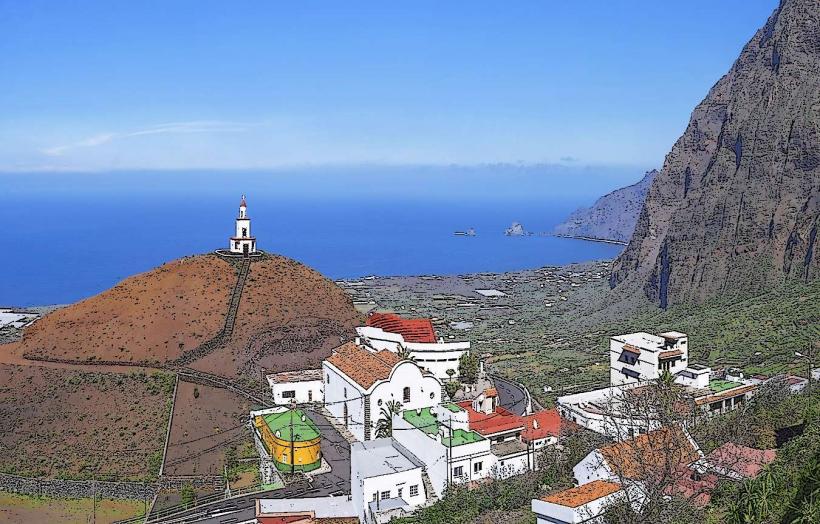
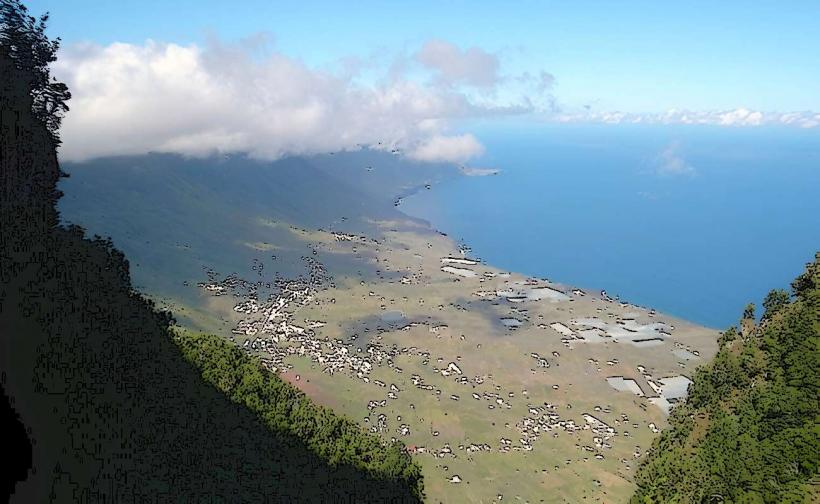
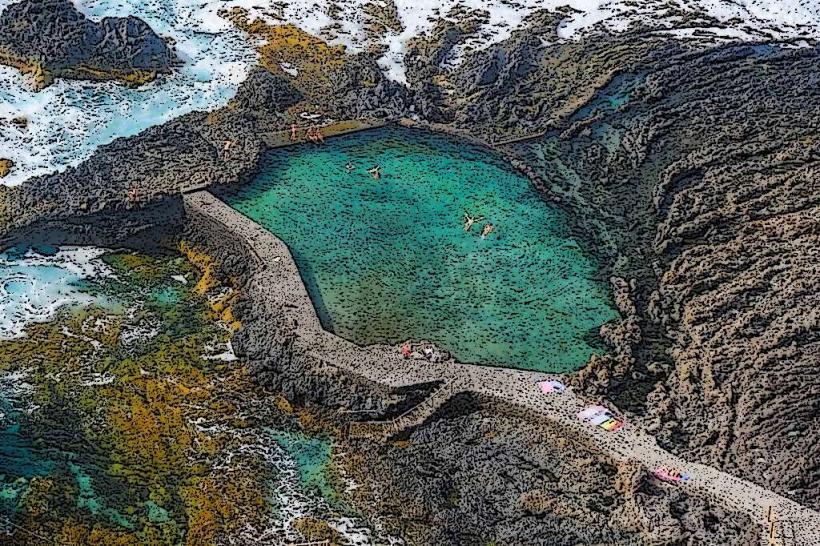
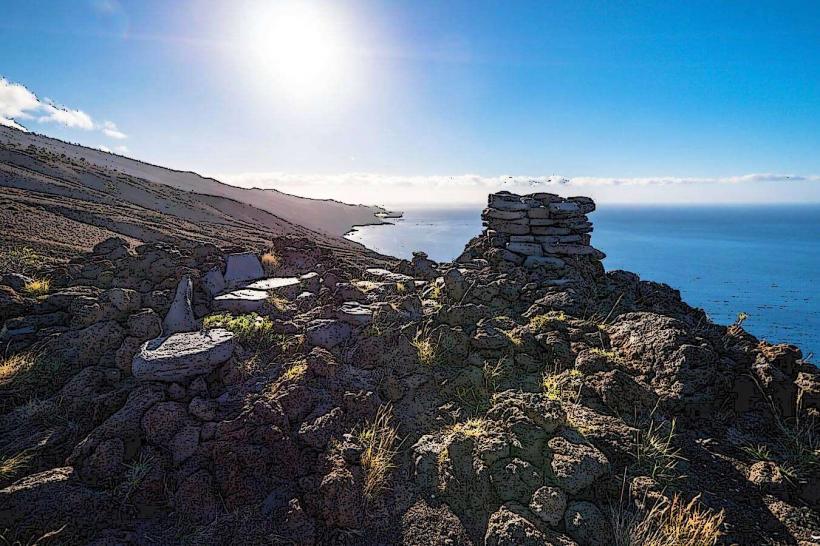
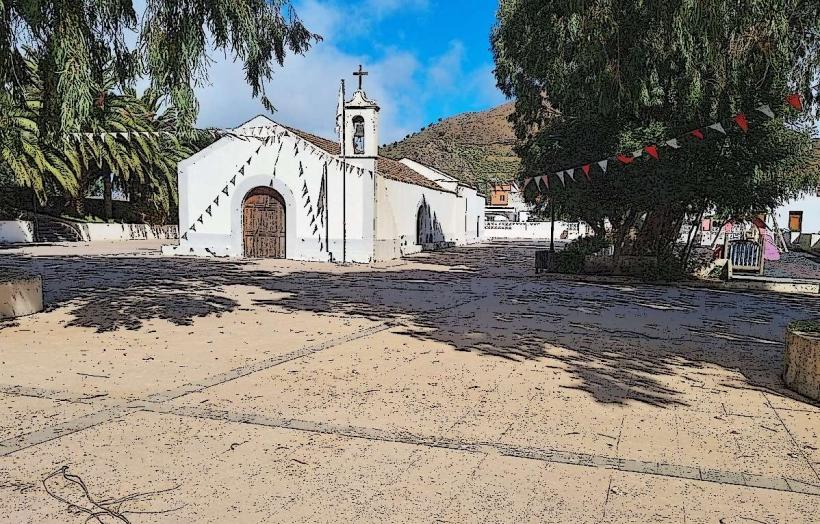
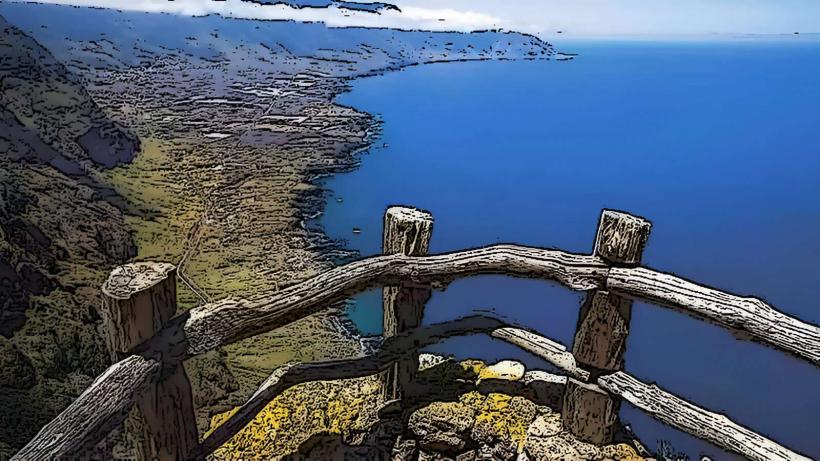
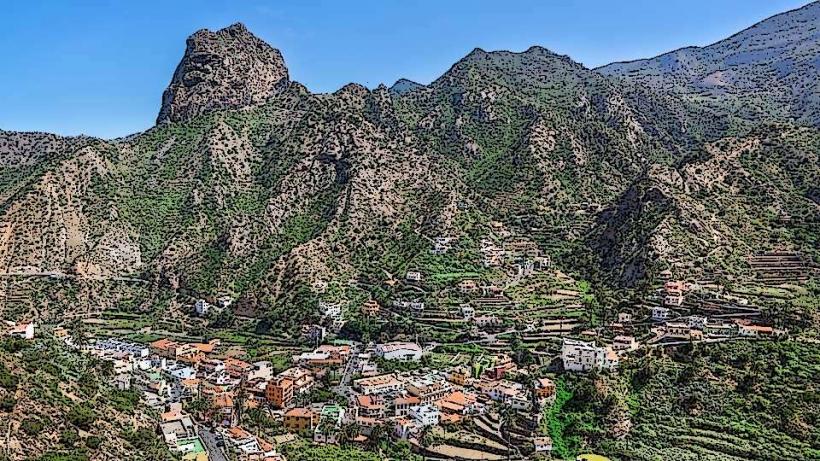
The island features a largely arid, volcanic landscape dominated by four main volcanic cones: Montaña del Mojón, Montaña Amarilla, Montaña Bermeja, and Las Agujas. The terrain is characterized by light-colored sand and sparse, low-lying vegetation adapted to dry conditions. Coastal areas consist of golden and white sand beaches, with clear, turquoise waters. Buildings in the main settlement, Caleta de Sebo, are typically low-rise, whitewashed structures.
Location & Access Logistics
La Graciosa is located approximately 1km north of Lanzarote, separated by the strait known as El Río. It is not situated on El Hierro. Access is exclusively by ferry from the port of Orzola on Lanzarote. Ferries operate multiple times daily, with a crossing time of approximately 25-30 minutes. There are no paved roads on the island; transport is primarily by foot, bicycle, or authorized 4x4 taxi. Parking for private vehicles is available at the ferry terminal in Orzola, Lanzarote.
Historical & Ecological Origin
La Graciosa is of volcanic origin, formed through successive eruptions, similar to the other Canary Islands. It is part of the Chinijo Archipelago Natural Park, established in 1986, making it Europe's largest marine reserve. The island's ecology is characterized by its semi-desert environment and rich marine biodiversity, supporting various bird species and marine life.
Key Highlights & Activities
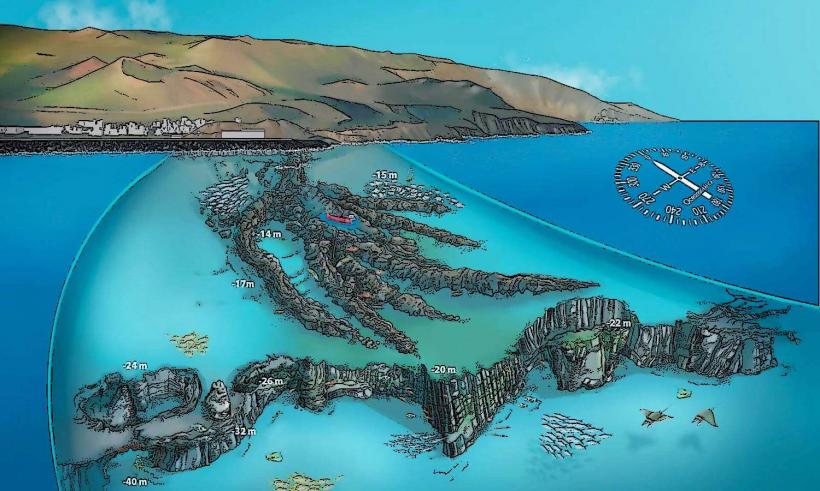
Visitors can engage in hiking along designated trails, such as the route to Playa de las Conchas on the northwest coast. Cycling is a popular activity, with rental bikes available in Caleta de Sebo. Snorkeling and diving are possible in the clear waters, particularly around the marine reserve. Boat trips around the island or to nearby islets like Montaña Clara and Alegranza are also offered.
Infrastructure & Amenities
The main village, Caleta de Sebo, offers basic services including a small supermarket, a pharmacy, and several restaurants and bars. There are no large hotels, but guesthouses and apartments are available for accommodation. Restrooms are available in the village. Shade is limited outside of the village and specific beach areas. Cell phone signal (4G/5G) is generally available in Caleta de Sebo and along some coastal areas, but can be intermittent in remote parts of the island. There are no ATMs; it is advisable to carry cash.
Best Time to Visit
The best months to visit are from April to June and September to October, when temperatures are pleasant and tourist numbers are lower. For photography, early morning or late afternoon light provides optimal conditions for capturing the volcanic landscapes and beaches. There are no specific high/low tide requirements for general access, but some beach activities may be influenced by tidal changes.
Facts & Legends
La Graciosa was the last Canary Island to gain permanent residents and remains the only one without a natural water source, relying entirely on a desalination plant for its freshwater supply. A local tip is to explore the island's interior by bicycle early in the morning to avoid the midday sun and experience the quietest trails.
Nearby Landmarks
- Mirador del Río (Lanzarote): 15km South-East
- Playa de Famara (Lanzarote): 20km South
- Cueva de los Verdes (Lanzarote): 25km South-East
- Jameos del Agua (Lanzarote): 26km South-East
- Montaña Clara: 5km North-West