Information
Landmark: Los Roques de SalmorCity: El Hierro
Country: Canary Islands
Continent: Europe
Los Roques de Salmor, El Hierro, Canary Islands, Europe
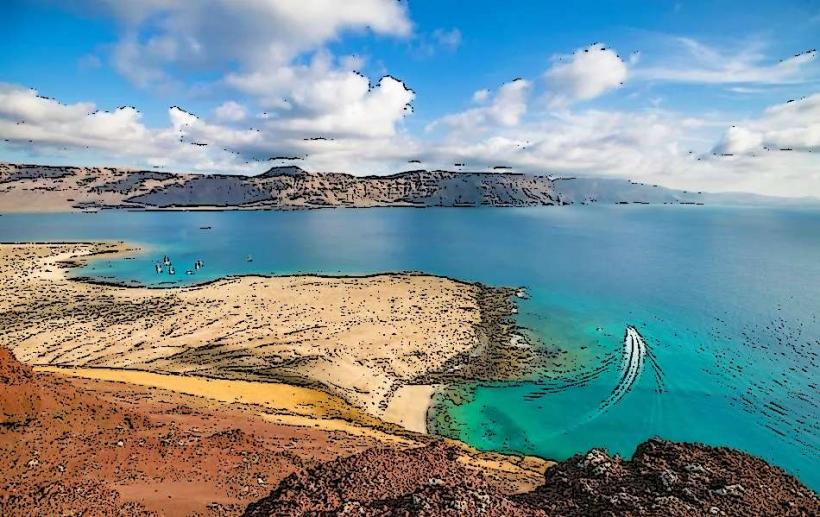
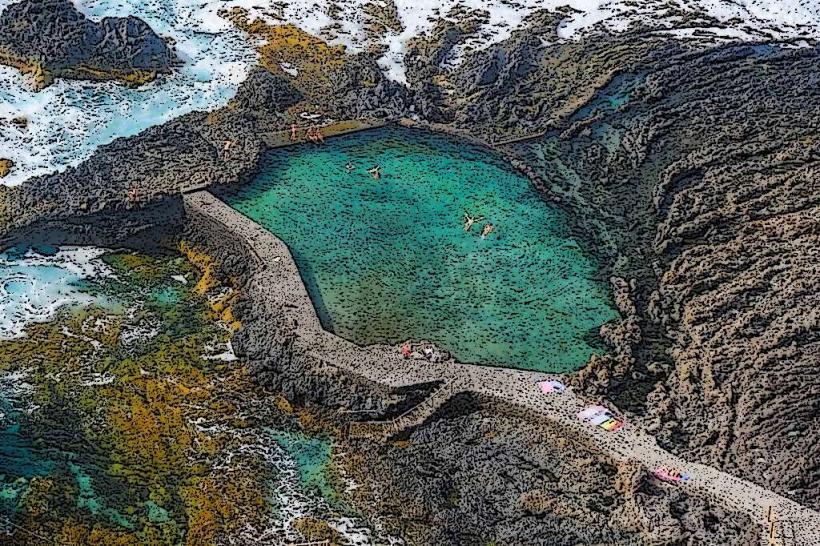
Los Roques de Salmor are two prominent volcanic rock formations situated off the northwest coast of El Hierro, one of the Canary Islands, Spain. These natural monuments rise directly from the Atlantic Ocean, serving as a significant ecological site.
Visual Characteristics
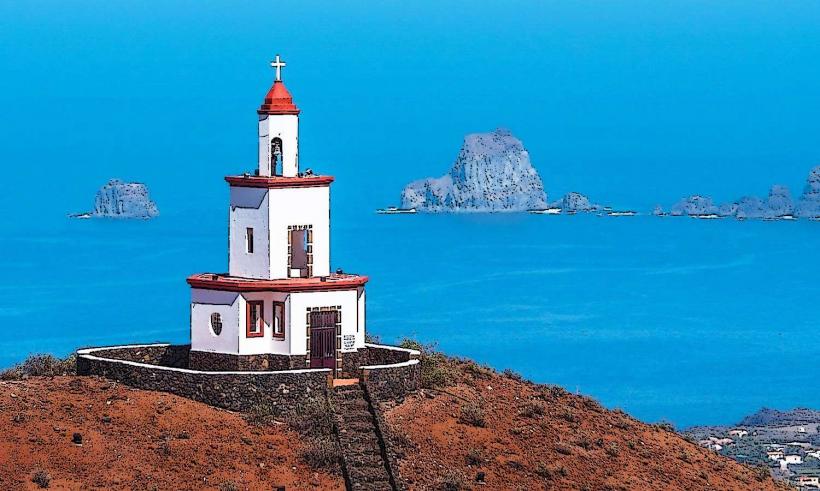
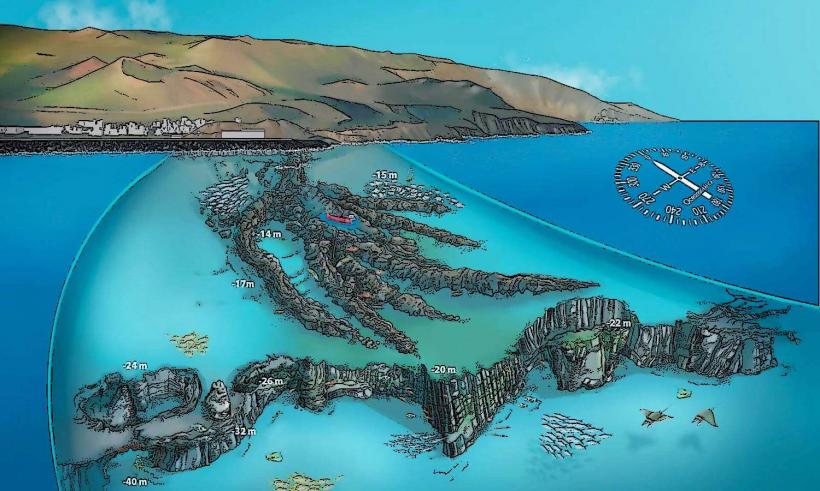
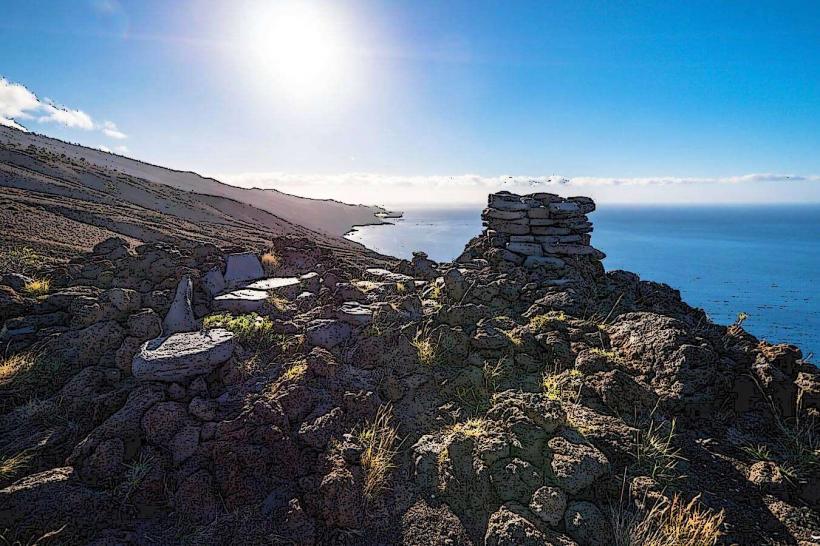
The formations consist of dark, rugged volcanic rock, primarily basalt, exhibiting a grey to black coloration. The larger of the two, Roque Grande, and the smaller, Roque Chico, are characterized by their steep, eroded cliffs that plunge directly into the deep blue ocean. They are largely devoid of significant terrestrial vegetation on their exposed surfaces, though marine flora thrives underwater around their bases. The rocks stand as isolated pinnacles, contrasting sharply with the surrounding sea.
Location & Access Logistics
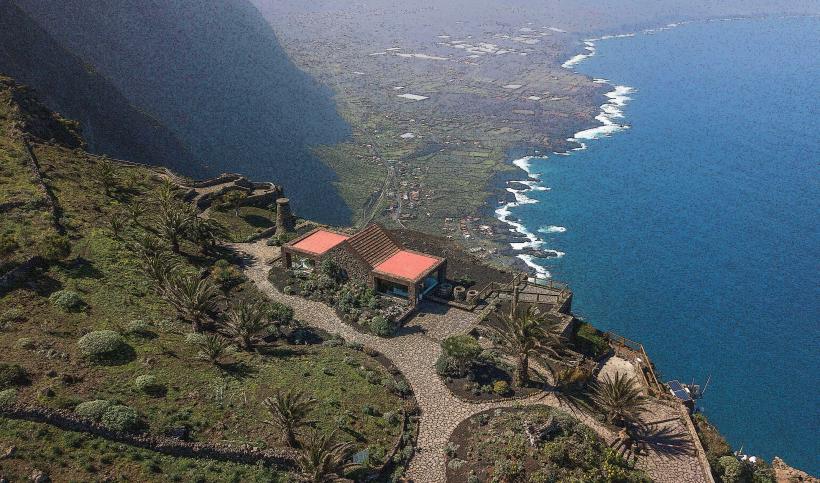
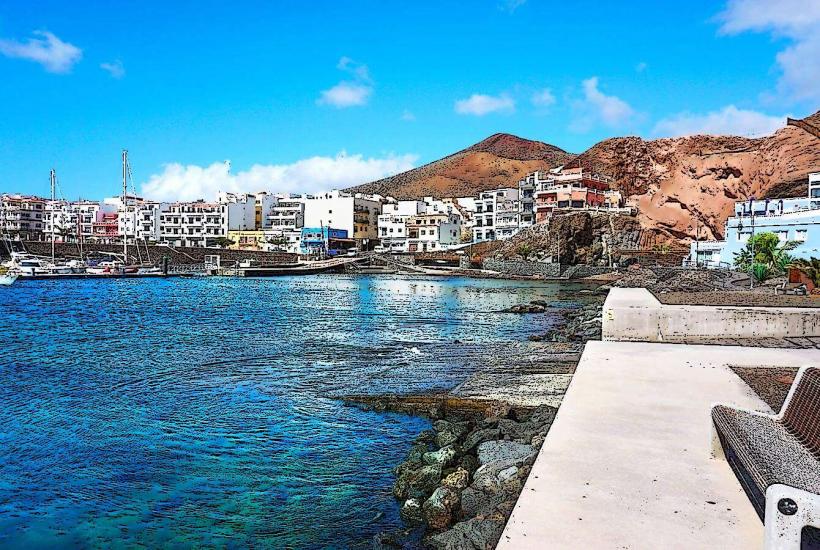
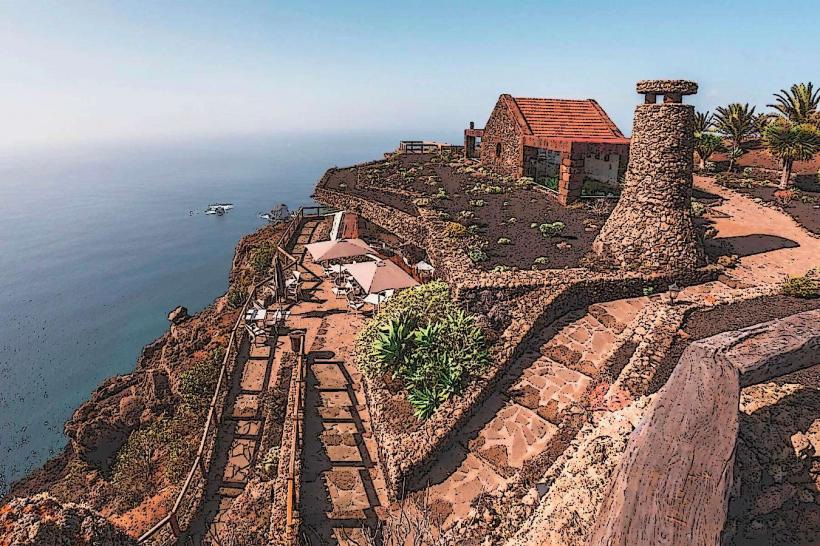
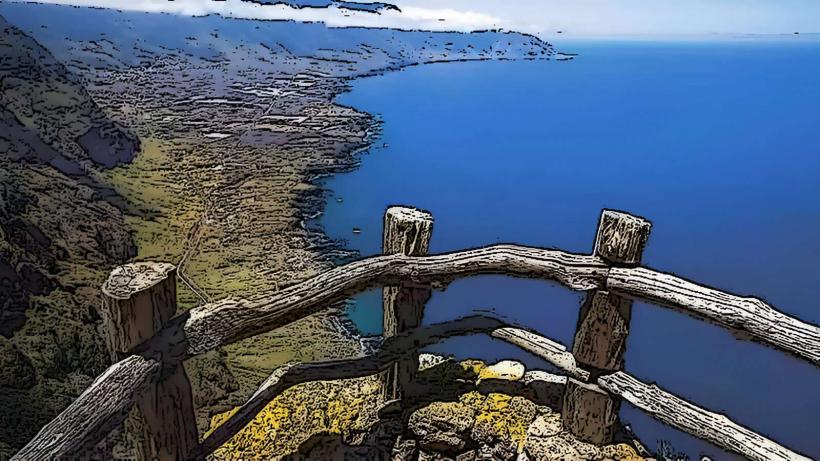
Los Roques de Salmor are located approximately 1.5 kilometers offshore from the municipality of La Frontera on El Hierro's northwest coast. Direct access to the rocks is exclusively by boat. Organized boat tours, often departing from the port of La Restinga (approximately 30km South-East) or Puerto de la Estaca (approximately 25km East), offer viewing opportunities. Land-based viewing is possible from coastal viewpoints such as Mirador de La Peña, which is accessible via the HI-5 road, approximately 3km east of the rocks' coastal alignment. Parking is available at these viewpoints. There is no public transport directly to the offshore rocks.
Historical & Ecological Origin
These formations are of volcanic origin, remnants of ancient eruptions that shaped El Hierro. They were formed through successive lava flows and subsequent marine erosion over millions of years, isolating them from the main island mass. Ecologically, Los Roques de Salmor are classified as a Natural Monument and a Special Protection Area for Birds (SPA). They are a crucial nesting ground for several species of seabirds, most notably the Cory's Shearwater.
Key Highlights & Activities
Boat excursions provide close-up views of the rock formations and their bird colonies. Diving and snorkeling are popular activities in the surrounding waters, offering encounters with diverse marine life in the clear Atlantic. Photography from coastal viewpoints, particularly Mirador de la Peña, allows for panoramic shots of the rocks against the ocean backdrop. Birdwatching is a primary activity, especially during nesting seasons.
Infrastructure & Amenities
There is no infrastructure directly on Los Roques de Salmor. Boat tours typically provide basic amenities on board. Coastal viewpoints like Mirador de la Peña offer parking facilities, restrooms, and a restaurant. Cell phone signal (4G/5G) is generally available along the coast and often extends to the immediate offshore area around the rocks. No dedicated food vendors are present at the rocks themselves.
Best Time to Visit
The best time for boat tours and diving is during the summer months (June to September) when sea conditions are typically calmer and water temperatures are warmer. For birdwatching, spring (April to June) and autumn (September to November) offer peak activity for nesting and migratory species. Photography from land viewpoints is optimal during morning or late afternoon hours to capture specific lighting conditions and avoid harsh midday sun.
Facts & Legends
Los Roques de Salmor are considered an iconic symbol of El Hierro's wild, untamed nature. The distinctive, haunting calls of the Cory's Shearwater, which nests in large numbers on the rocks, are a characteristic sound of the area during their breeding season. These birds spend most of their lives at sea, returning to the rocks solely to breed.
Nearby Landmarks
- Mirador de la Peña: 3km East
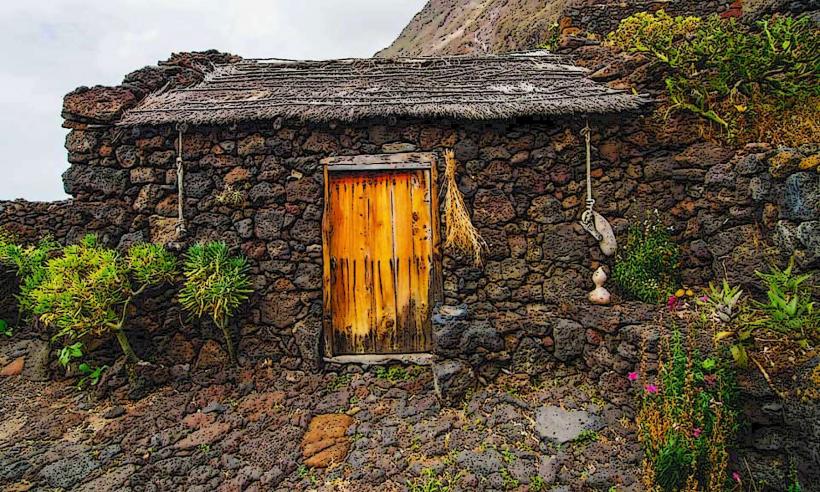
- Ecomuseo de Guinea y Lagartario: 4km South-East
- Punta Grande Hotel: 5km South-East