Information
Landmark: Elífsdóttir CaveCity: Vik
Country: Iceland
Continent: Europe
Elífsdóttir Cave, Vik, Iceland, Europe
Visual Characteristics
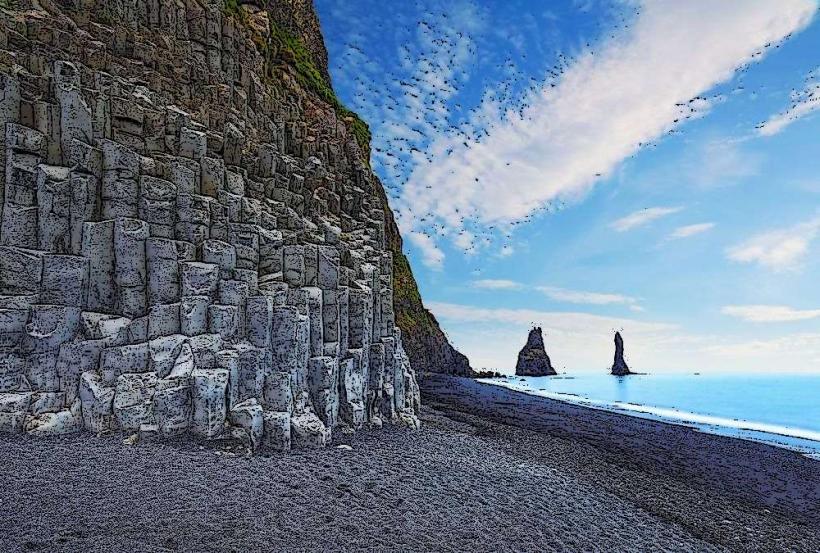
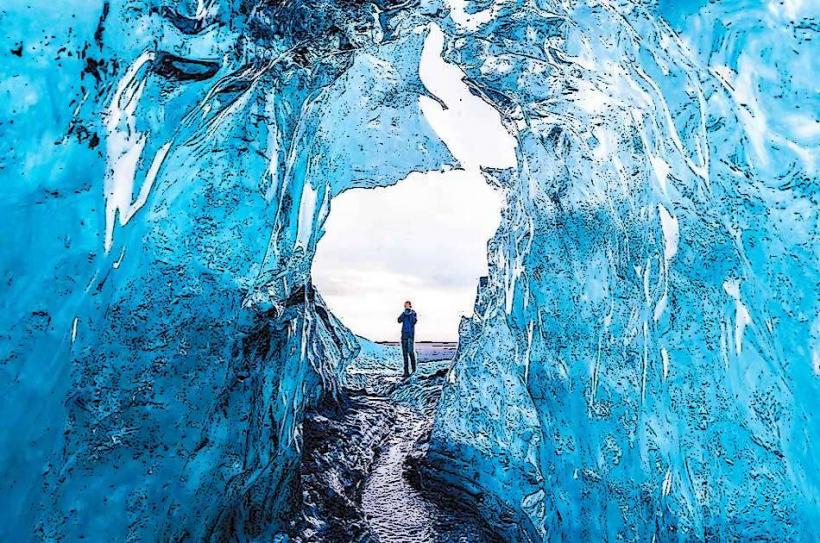
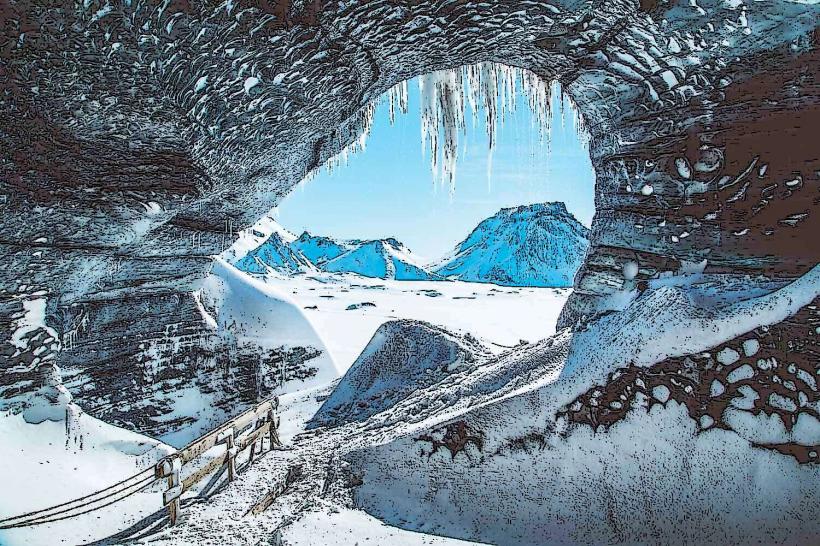
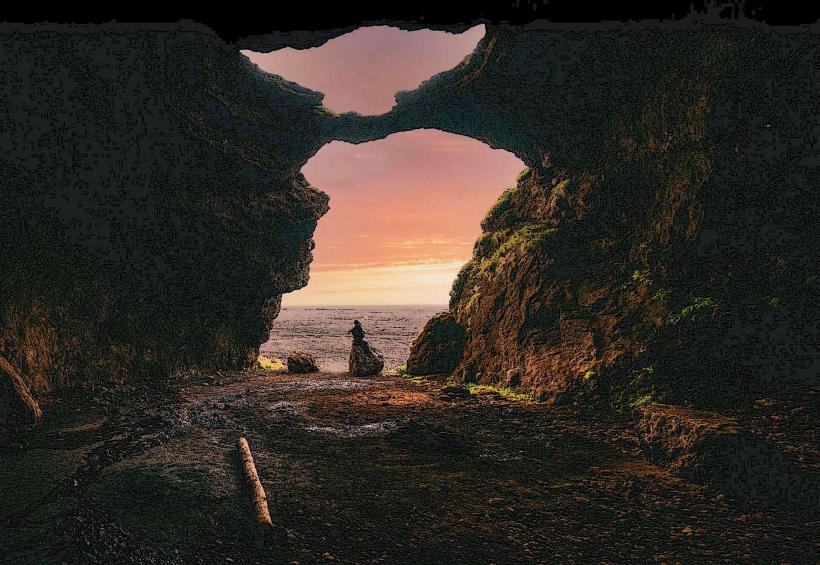
The cave features dark grey to black basalt columns forming its interior walls and ceiling, a result of volcanic activity. These hexagonal columns are uniform in shape and stacked vertically. The cave floor consists of black volcanic sand, consistent with the surrounding beach. The entrance is open to the North Atlantic Ocean, exposing the interior to sea spray and wave action.
Location & Access Logistics
Access to the cave is via Reynisfjara Beach. From Vik, drive west on Route 1 for approximately 6 kilometers, then turn left onto Road 215 (Reynishverfisvegur). Follow Road 215 for 1 kilometer to the designated parking area. The cave is located on the western end of the beach, a walk of approximately 500 meters from the parking lot. There is no public transport directly to the cave; the nearest bus stop is in Vik.
Historical & Ecological Origin
Elífsdóttir Cave is a natural geological formation. Its origin is linked to the volcanic activity of the Katla subglacial volcano system. The basalt columns formed when lava flows cooled rapidly upon contact with water or air, causing the molten rock to contract and fracture into polygonal shapes. Subsequent erosion by ocean waves created the cave structure within these basalt cliffs.
Key Highlights & Activities
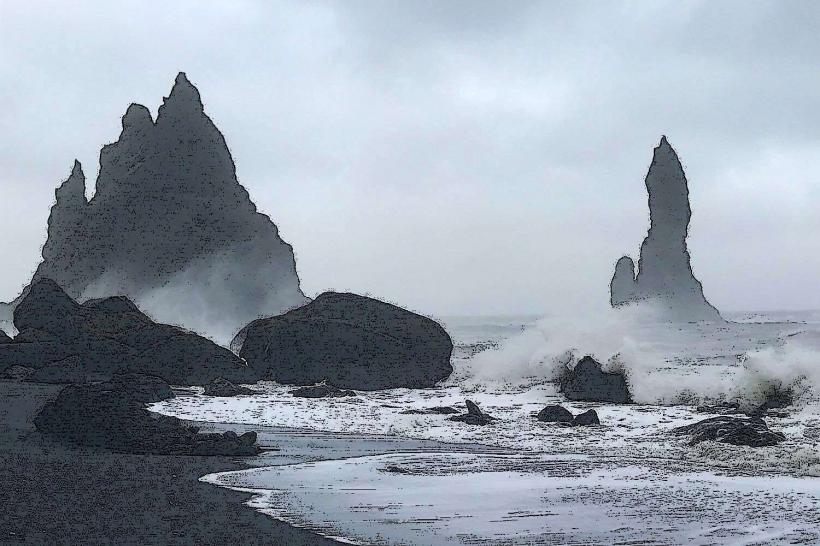
Observation of the columnar basalt formations is the primary activity. Photography of the cave's interior and the adjacent Reynisdrangar sea stacks is common. Visitors can walk into the cave during low tide conditions. Caution is advised due to unpredictable sneaker waves.
Infrastructure & Amenities
Restrooms are available at the main parking lot for Reynisfjara beach, approximately 500 meters from the cave entrance. There is no direct shade within the cave itself, but the rock overhang provides some shelter from precipitation. Cell phone signal (4G/5G) is generally available in the area. Food vendors and a restaurant are located at the Reynisfjara parking facility.
Best Time to Visit
The cave is safely accessible only during low tide. Consult local tide charts before planning a visit. Early morning or late afternoon hours provide optimal lighting for photography, with softer light illuminating the basalt columns. The months of May through September offer milder weather conditions, though strong winds and rain are possible year-round.
Facts & Legends
Local Icelandic folklore attributes the nearby Reynisdrangar basalt sea stacks to petrified trolls caught by the rising sun while attempting to drag a three-masted ship to shore. The cave itself is sometimes associated with these tales, serving as a potential dwelling or hiding place for such mythical beings.
Nearby Landmarks
- Reynisdrangar: 0.2km South-East
- Reynisfjara Beach: 0.1km East
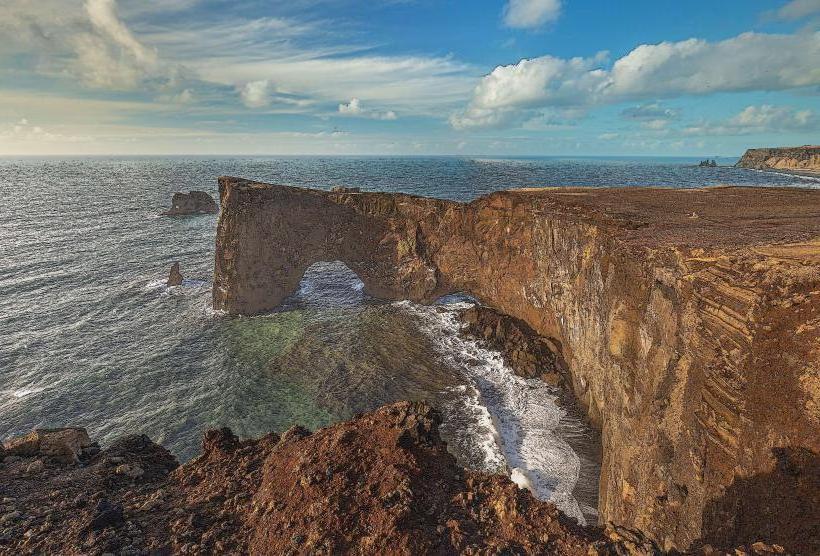
- Dyrhólaey Arch: 5km West
- Vik i Myrdal Village: 7km East