Information
Landmark: Fjaðrárgljúfur CanyonCity: Vik
Country: Iceland
Continent: Europe
Fjaðrárgljúfur Canyon, Vik, Iceland, Europe
Overview
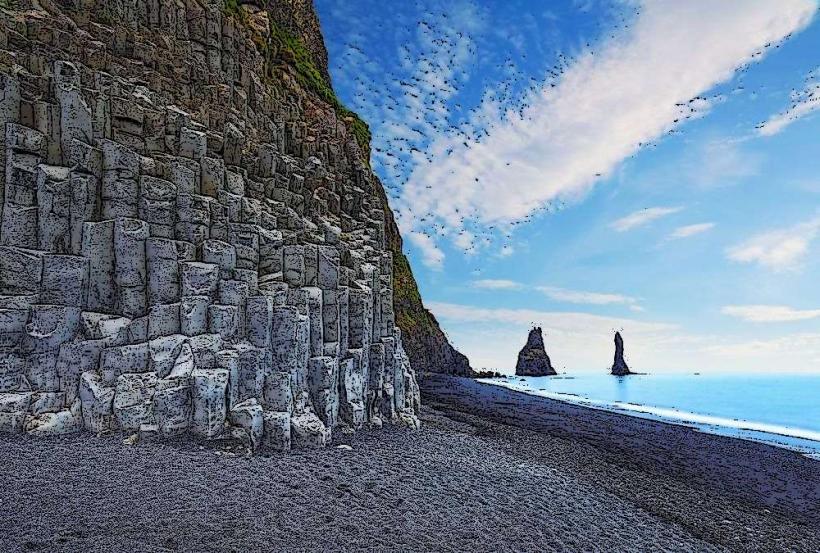
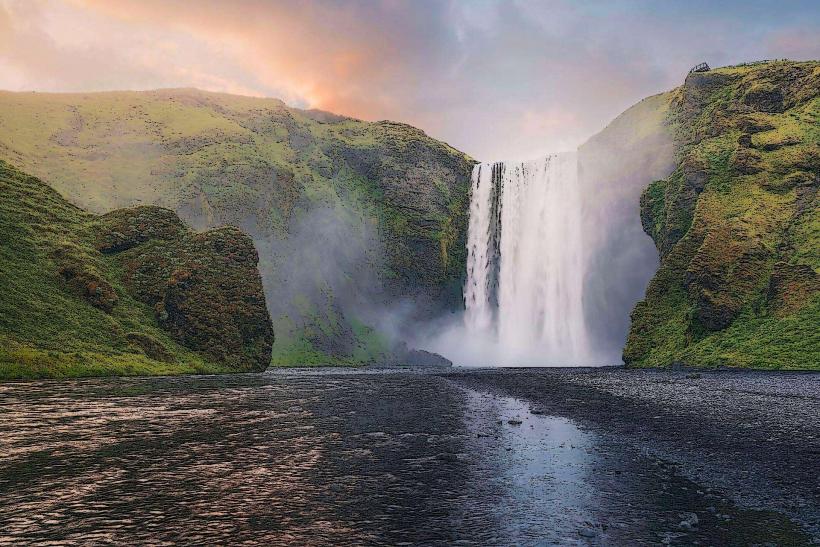
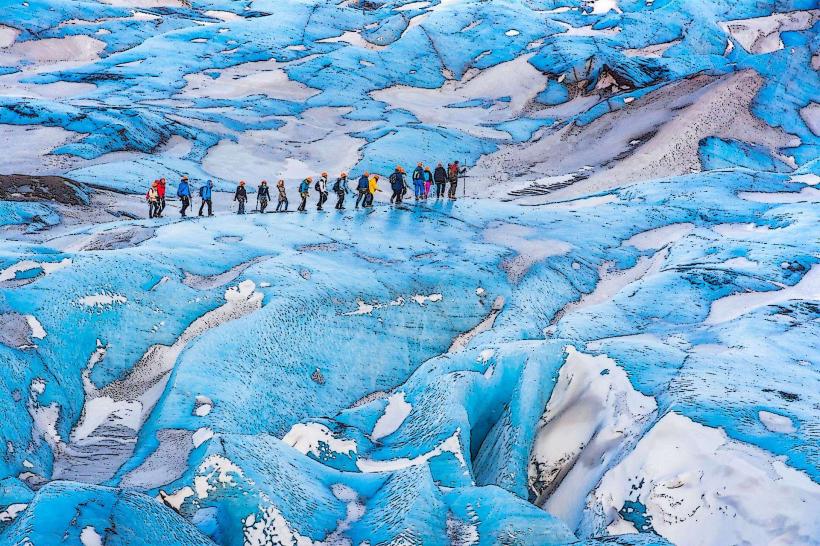
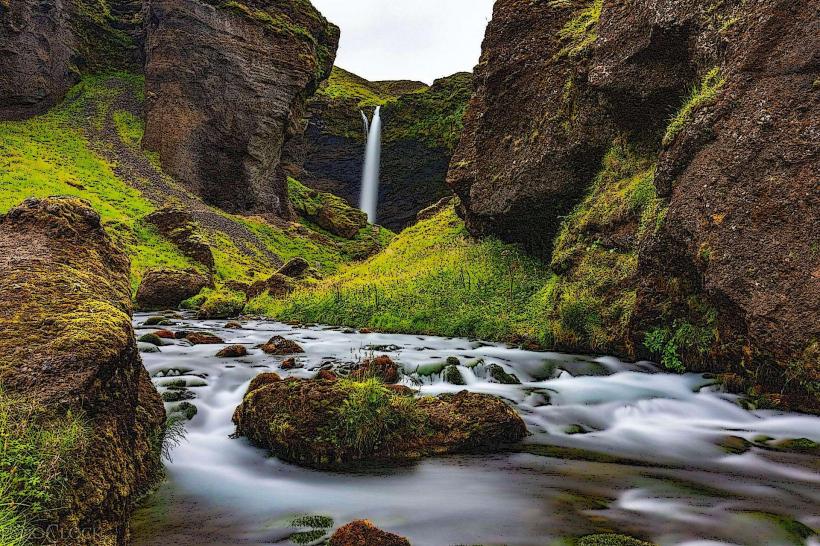
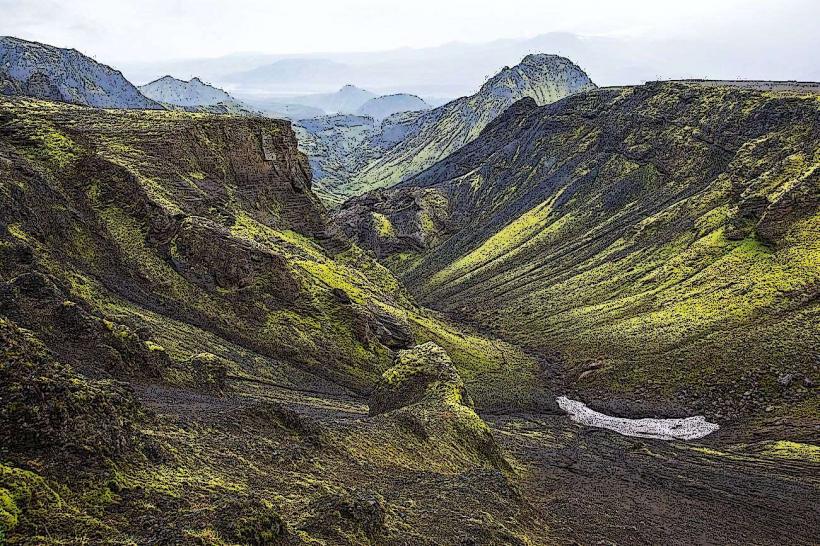
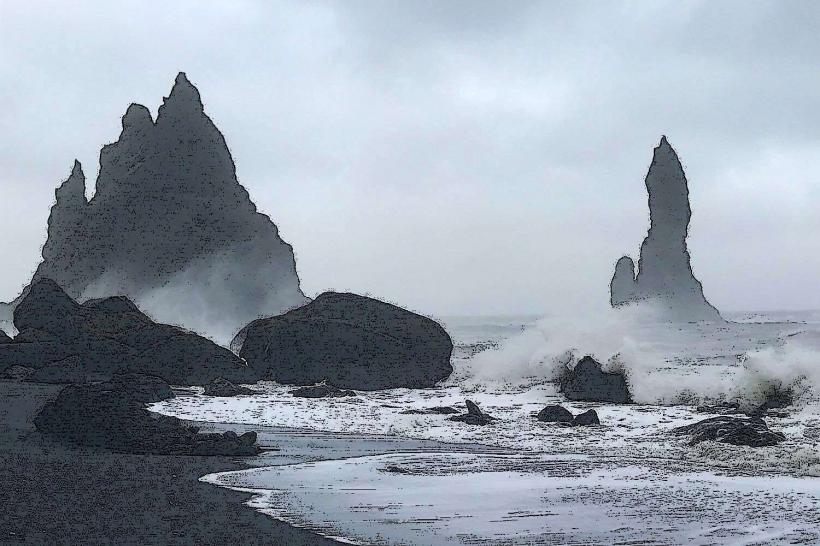
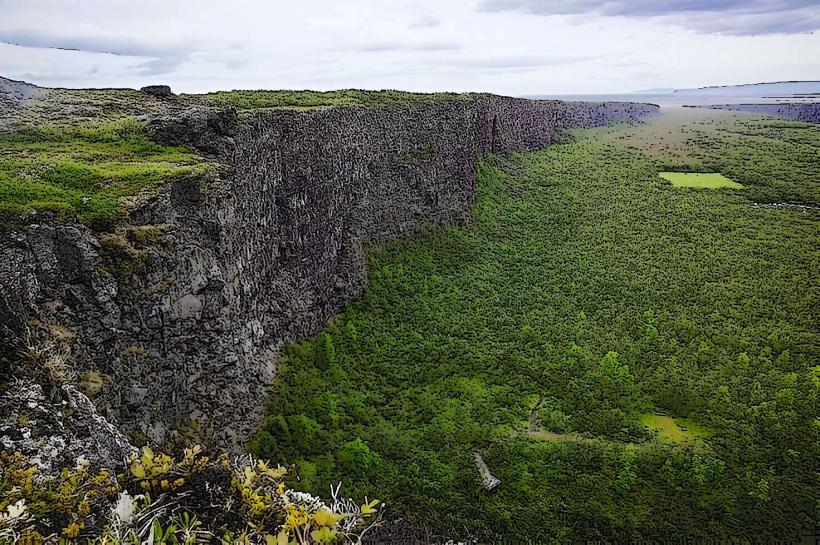
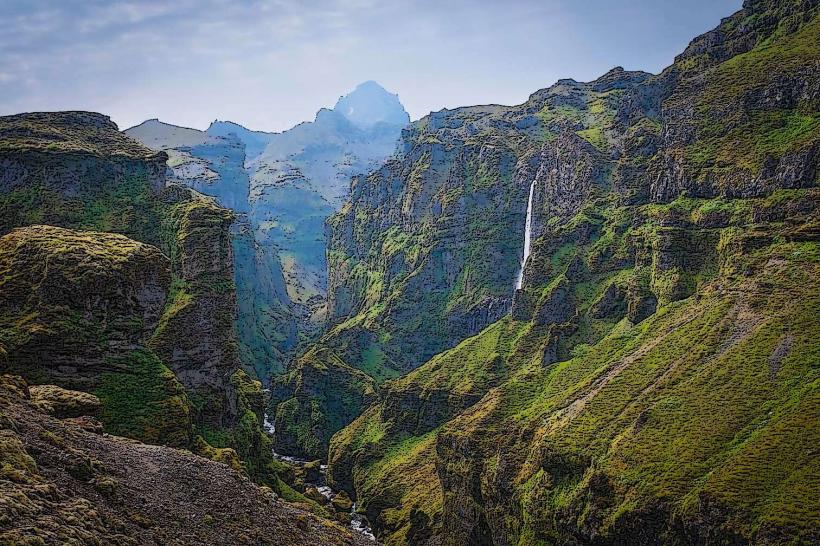
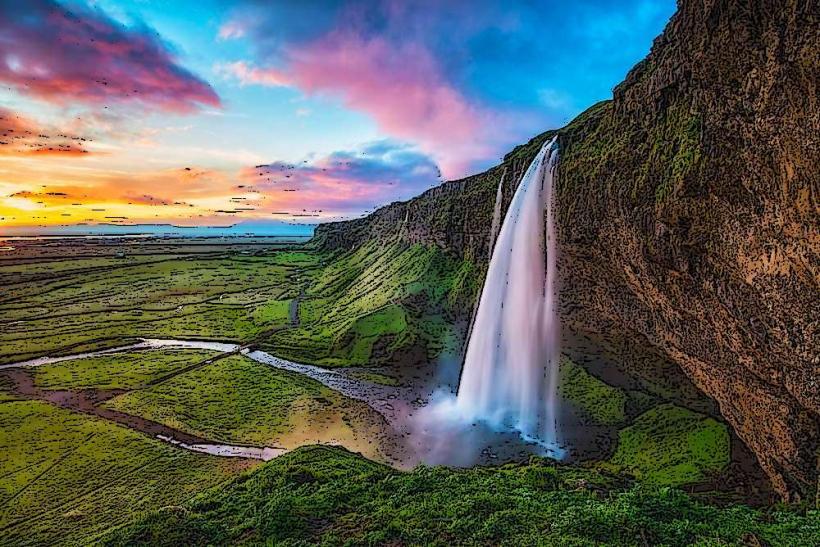
Believe it or not, Fjaðrárgljúfur Canyon winds through southern Iceland near the miniature town of Kirkjubæjarklaustur, its steep mossy cliffs rising above a ribbon of clear, rushing water, along with this is one of Iceland’s best‑known landmarks, with sheer cliffs rising over a twisting river and a landscape that feels almost otherworldly, moderately Sunlight spilling over the canyon walls creates stunning shots for any photographer, and its winding trails beg to be explored-no wonder travelers put it high on their list, in turn let’s take a closer peek at Fjaðrárgljúfur Canyon, just about 2 kilometers-barely a five-minute drive-south of the village of Kirkjubæjarklaustur, right off Iceland’s winding Ring Road.About 100 kilometers, or 62 miles, east of Reykjavik, it’s an easy stop for travelers roaming Iceland’s southern coast, just a couple of hours’ drive past black sand beaches, alternatively the canyon took shape about 9,000 years ago, in the last Ice Age, when glacial meltwater carved through rock and left smooth, crisp walls behind, partially You know, The Fjaðrá River still winds through the canyon, the same water that, over thousands of years, cut its way into the rock and left behind the deep, twisting gorge visitors amble along now, consequently fjaðrárgljúfur stretches for about 2 kilometers (1.2 miles), with cliffs that plunge as deep as 100 meters (328 feet) where the moss clings to the rock.Mind you, The canyon walls rise steep and jagged, their cracks gloomy with lush green moss and tangled vines, especially when summer heat brings the whole destination alive, as well as the Fjaðrá River winds through the canyon, its crisp water glinting in the light, and it stands out as a defining part of the landscape.It snakes through the narrow gorge, the sound of water echoing off the stone and adding to the canyon’s striking beauty, not only that the river runs clear, its turquoise shine catching the light as it winds past the dim, jagged canyon rocks.Rock Formations: Basalt shapes the canyon walls, their dim, rough edges catching the afternoon light, not only that over the years, erosion has carved the land into striking shapes-tiny cliffs, sharp ridges, and narrow ledges you could run your hand along.In certain spots, thin ribbons of water spill from the canyon walls, tumbling into the air like silver threads, in addition scenic Views and Photography - Fjaðrárgljúfur Canyon is a dream for photographers, with mossy cliffs tumbling down to a ribbon of blue water.Steep walls rise above a winding river, framed by greenery so vivid you can almost smell the damp earth, shaping a scene that's both fierce and calm, as well as one of the top places to snap a photo is Overlook Point, where you can stand high above the canyon and take in a sweeping view of the river winding far below and the rugged cliffs stretching to the horizon.Riverside is a favorite for photographers, offering sweeping views of the canyon from every angle; stroll along the rim, pause at a wooden platform, and frame the river glinting far below, simultaneously sparkling green moss against black basalt and a glassy river creates a striking scene, slightly Honestly, In spring, the canyon gleams; by autumn, it glows in gold and rust, besides in summer, vibrant green stretches across the canyon, set against the deep shadow of the rock; come winter, snow and ice sharpen every line, turning the view into something fierce and striking, generally A steady, well-kept trail hugs the rim, making it easy to wander and take it all in, therefore the path is an easy stroll, winding past ledges and curves that let visitors take in the canyon from several stunning angles, a little The trail’s easy enough for most visitors, though you might find a few slick patches-especially when rain darkens the rocks or ice glazes the steps, along with you’ll find several ways into the canyon-some lead along the rim, where the wind carries the scent of pine and the views stretch for miles, while others wind down toward the river for a closer, more personal view at the land.Several viewing platforms draw crowds, perfect for soaking in the panorama and snapping a quick shot of the sun glinting off the water, meanwhile guided Tours: You can wander through Fjaðrárgljúfur at your own pace, but guided tours are on hand for anyone curious about the canyon’s layered rock walls and the wild, mossy cliffs around it.Some tours bundle a stop at Fjaðrárgljúfur with sights along the southern coast, like the roaring Skogafoss or the shimmering icebergs of Jökulsárlón Glacier Lagoon, what’s more fjaðrárgljúfur sits close to several well-known sights along Iceland’s southern coast, making it a perfect stop on your route; about 60 kilometers to the west, you’ll hear the steady roar of Skogafoss, one of the country’s biggest and most famous waterfalls.This spot draws plenty of visitors, and it’s easy to pair with a trip to Fjaðrárgljúfur, maybe after you’ve stood on its mossy cliff edge, therefore west of Kirkjubæjarklaustur lies Reynisfjara, a black sand beach where jagged basalt sea stacks rise like obscure towers from the surf.This is another spot you can’t miss in the region, with views that stretch all the way to the horizon, moreover about 60 kilometers west, Sólheimajökull Glacier invites you to hike across its blue-white ice, climb its frozen walls, and wander among jagged, glittering formations.About 150 kilometers east of Fjaðrárgljúfur, Jökulsárlón Glacier Lagoon stretches out in shimmering blue, its drifting icebergs creaking softly as they move through the water, not only that this spot ranks among Iceland’s most breathtaking sights, where tourists flock to view cliffs dusted with moss and waves crashing below.Climate and Best Time to Visit - Weather in the Fjaðrárgljúfur area often shifts without warning; a clear morning can turn misty and icy before lunch, moreover summers stay mild, usually around 10 to 15°C (50–59°F), but winters bite hard, bringing snow that crunches underfoot and sheets of ice.You can hike the trail and explore the canyon any time of year, but winter’s icy patches make summer or autumn-when the air is crisp and the ground dry-the best times to visit, on top of that the ideal time to view Fjaðrárgljúfur is from late spring to early autumn, roughly May through September, when the weather settles and the canyon glows green with moss and wildflowers, not entirely Still, winter can feel magical here-fewer crowds, crisp air, and the canyon lying quiet beneath a soft blanket of snow, while as Fjaðrárgljúfur’s fame has grown in recent years, with hikers lining its mossy cliffs, people have stepped up efforts to protect the canyon’s fragile landscape.As it turns out, Please stick to the marked paths and viewing platforms so you don’t trample the fragile moss or disturb the delicate ecosystem, in addition in 2019, Iceland’s Environment Agency shut the canyon to visitors for a short spell, giving its mossy cliffs and fragile soil a chance to heal from heavy tourist traffic.Since then, they’ve stepped in with rules and careful planning to keep tourism in check-like limiting the number of buses that wind up the narrow mountain road each day, in addition fjaðrárgljúfur Canyon in Iceland is a site you can’t miss, with sheer cliffs, twisting rock walls, and a river that glitters in the sun.Whether you’re snapping photos, trekking along the cliffs, or just soaking in the mossy green and rushing water, Fjaðrárgljúfur leaves a lasting impression, in turn because it sits so close to other well-known sights along Iceland’s southern coast, it’s an easy and worthwhile stop for travelers eager to take in the island’s varied, breathtaking scenery-black sand beaches, jagged cliffs, and all.
Author: Tourist Landmarks
Date: 2025-09-04