Information
Landmark: Reynisfjara BeachCity: Vik
Country: Iceland
Continent: Europe
Reynisfjara Beach, Vik, Iceland, Europe
Visual Characteristics
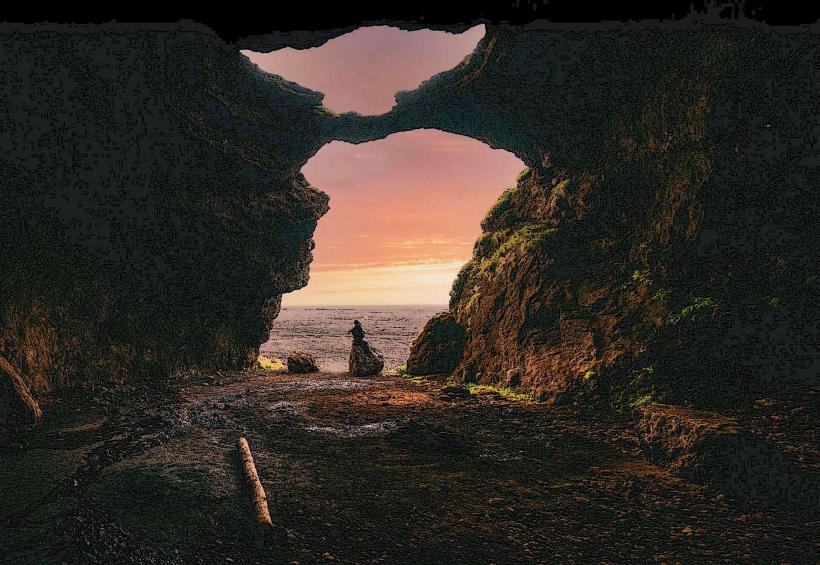
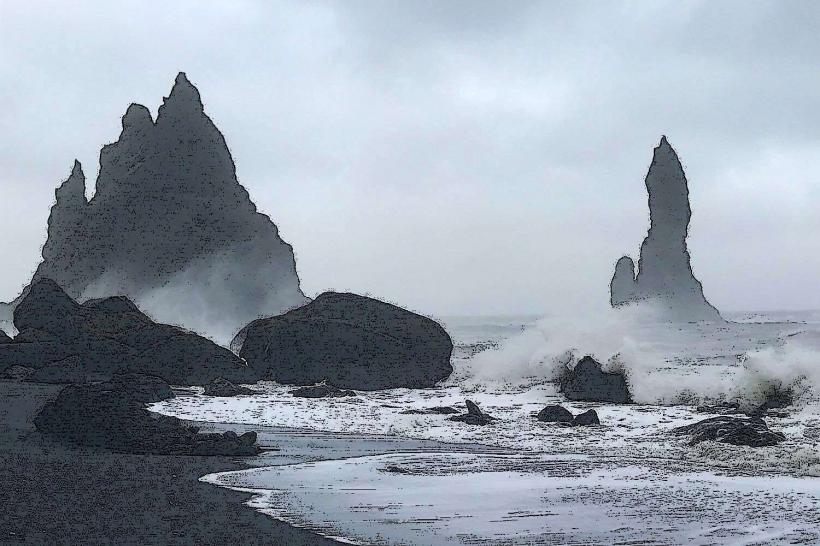
The beach consists of black volcanic sand and pebbles. Dominant features include hexagonal basalt columns forming cliffs and a cave named Hálsanefshellir, and the prominent sea stacks known as Reynisdrangar offshore. The ocean water is typically dark grey and often turbulent. Vegetation on the surrounding cliffs is sparse, consisting of hardy coastal plant species.
Location & Access Logistics
Reynisfjara Beach is located on Iceland's South Coast. It is accessed via Road 215, which branches south from the main Ring Road (Route 1). The beach is approximately 10 kilometers west of Vik í Mýrdal. A large, paved parking lot is available directly at the beach entrance. There is no direct public bus service to the beach; access is primarily by private vehicle or organized tour buses.
Historical & Ecological Origin
The beach's black sand is of volcanic origin, formed from eroded basaltic lava. The hexagonal basalt columns are the result of cooled lava flows that contracted and fractured into geometric shapes. The Reynisdrangar sea stacks are remnants of a former coastline, sculpted by marine erosion over time.
Key Highlights & Activities
Observation of the Reynisdrangar sea stacks is a primary activity. Exploration of the Hálsanefshellir basalt column cave is possible, tide and wave conditions permitting. Photography of the distinctive geological formations is common. Birdwatching, particularly for puffins, occurs seasonally on the cliffs from May to August. Walking along the black sand is permitted, with strict adherence to safety distances from the water.
Infrastructure & Amenities
Restroom facilities are available at the parking lot area, typically within the adjacent cafe building. Natural shade on the beach itself is minimal; shelter is provided by the cafe structure. Cell phone signal, including 4G and 5G, is generally reliable. A cafe and restaurant, the Black Beach Restaurant, are located at the parking lot, offering food and beverages.
Best Time to Visit
The months of June through August offer the mildest weather and longest daylight hours. For photography, early morning or late afternoon light provides softer illumination for the basalt columns and sea stacks. Access to Hálsanefshellir cave is safest and most feasible during low tide and calm sea conditions; high tide can render the cave inaccessible and dangerous.
Facts & Legends
Local folklore recounts that the Reynisdrangar sea stacks are petrified trolls who were attempting to drag a ship to shore but were caught by the sunrise, turning them to stone. The beach is known for its powerful and unpredictable "sneaker waves," which can surge far up the beach without warning. Visitors are advised to maintain a significant distance from the water's edge at all times.
Nearby Landmarks
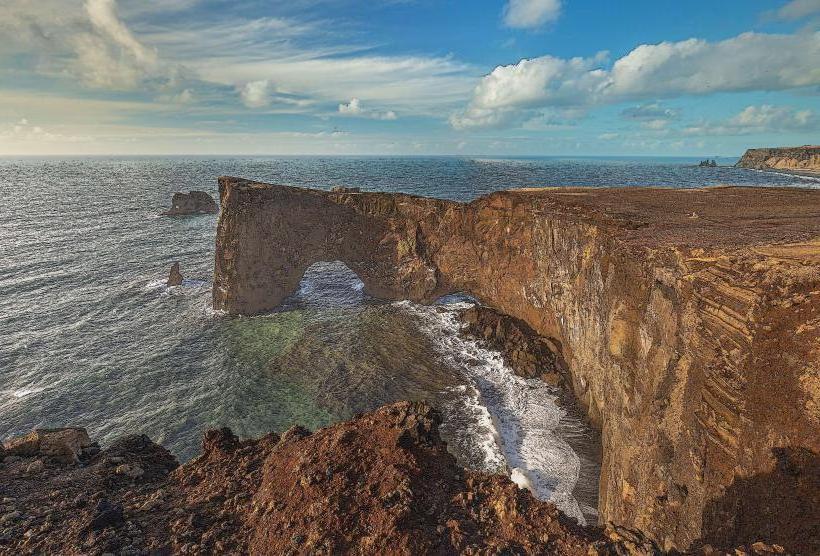
- Dyrhólaey Arch: 5km West
- Vik í Mýrdal village: 10km East
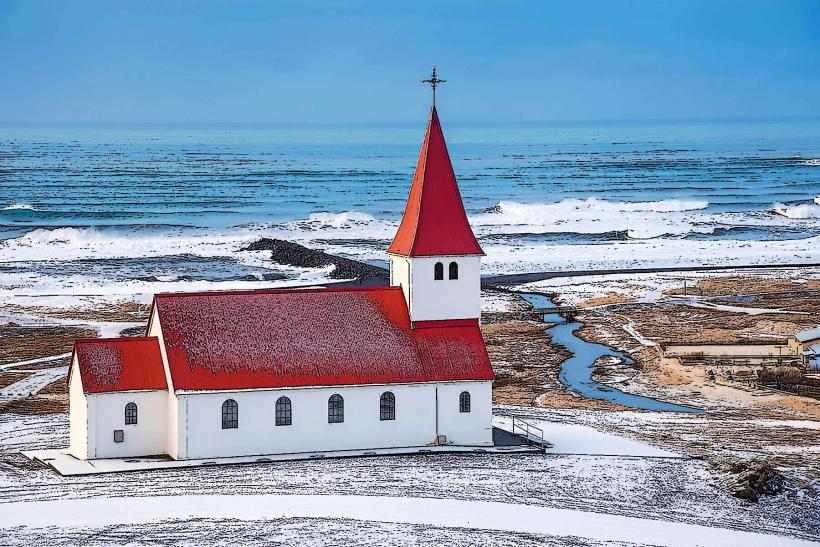
- Reyniskirkja Church: 8km East
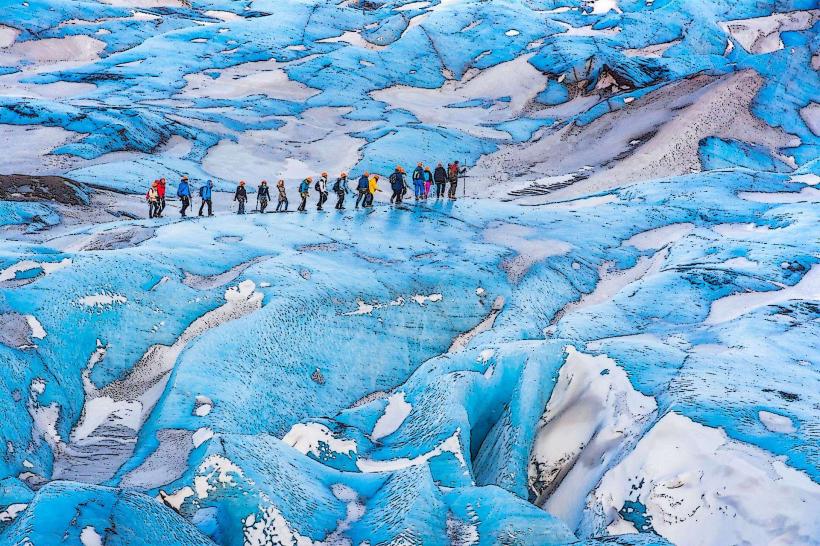
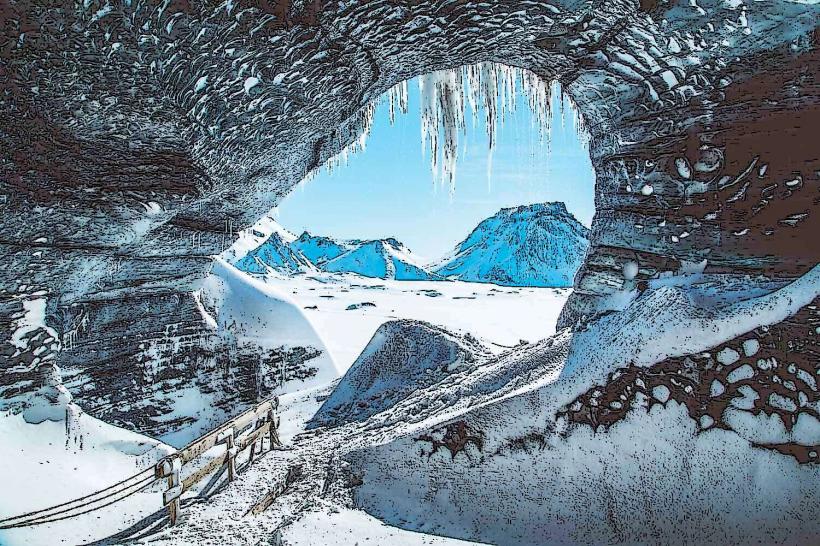
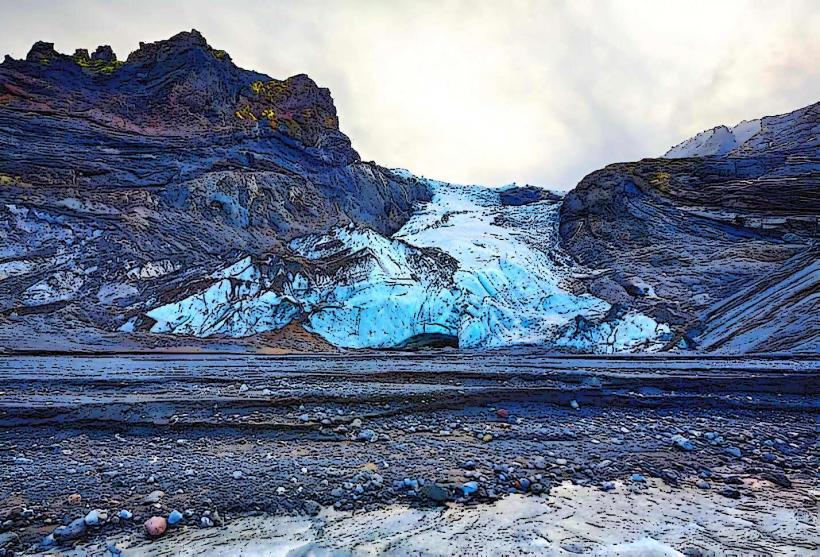
- Sólheimajökull Glacier: 30km West