Information
Landmark: Theodore Wirth ParkCity: Minneapolis
Country: USA Minnesota
Continent: North America
Theodore Wirth Park, Minneapolis, USA Minnesota, North America
Here is a detailed, humanized overview of Theodore Wirth Park, one of the crown jewels of Minneapolis' park system:
Theodore Wirth Park – Minneapolis, Minnesota
I. Overview and Identity
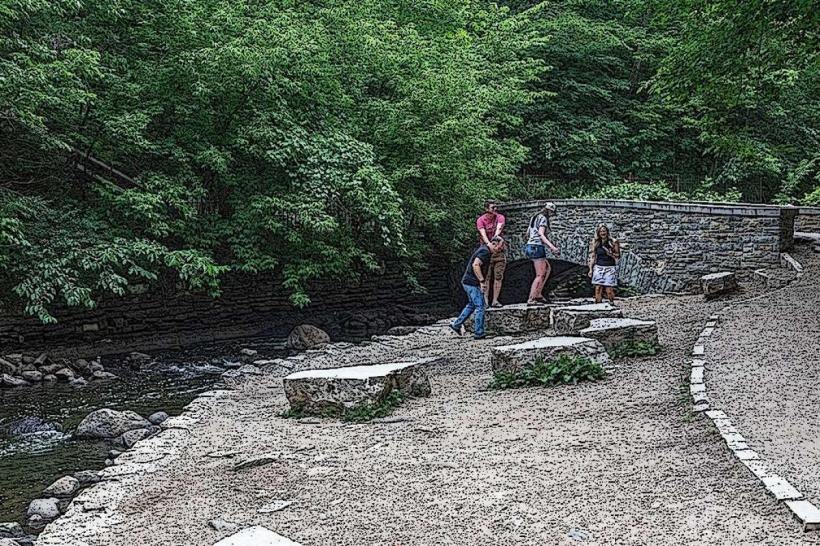
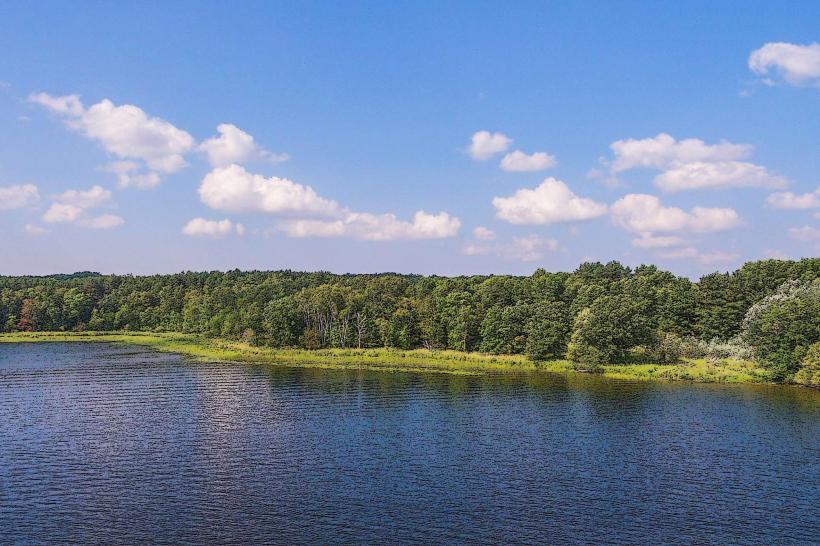
Theodore Wirth Park is the largest park in Minneapolis, covering over 750 acres and extending well into Golden Valley, blending seamlessly between urban forest and active recreation. More than just a city park, it operates more like a wilderness reserve inside the city, offering an escape into lakes, hills, woods, trails, and nature-inspired leisure.
Named after Theodore Wirth, the visionary Swiss-American landscape architect who led Minneapolis’ park system from 1906 to 1935, this park embodies his philosophy that “every home should be within walking distance of a park.” He envisioned green spaces that provided both natural beauty and accessibility to all people, and this park is the most complete realization of that idea.
II. Geography and Layout
The park spans a long, irregular shape running north-south, crossing Minneapolis’ western border and flowing into the city of Golden Valley. It stretches from near Highway 55 and Bryn Mawr in the south to Wirth Lake and Highway 100 in the north.
Key Natural Features:
Wirth Lake – A swimmable lake with a sandy beach and paddle rentals
Birch Pond & Bassett Creek – Quiet water bodies with rich birdlife
Quaking Bog – A rare, protected peat bog in the heart of the city
Forests & Prairie Restoration Areas – Oak savannas, native prairie grasses, and wetlands
Rolling Hills and Wooded Trails – Terrain unlike most of urban Minneapolis
This layout creates distinct zones: passive nature areas, active recreation zones, and structured family-friendly amenities, all linked by dozens of miles of trails.
III. Seasonal Recreation and Attractions
Spring & Summer:
Hiking – More than 20 miles of multi-use trails, including the Luce Line Regional Trail and scenic offshoots
Biking – Both paved and mountain bike trails, with challenging terrains and family options
Beach & Swimming – Wirth Lake features lifeguards in summer, changing rooms, and picnic areas
Boating – Canoe, kayak, and paddleboard rentals available seasonally
Golf – The Theodore Wirth Golf Course, one of the oldest in the state, includes 18 holes plus a par-3 layout
Disc Golf – 18-hole disc golf course in wooded, slightly hilly terrain
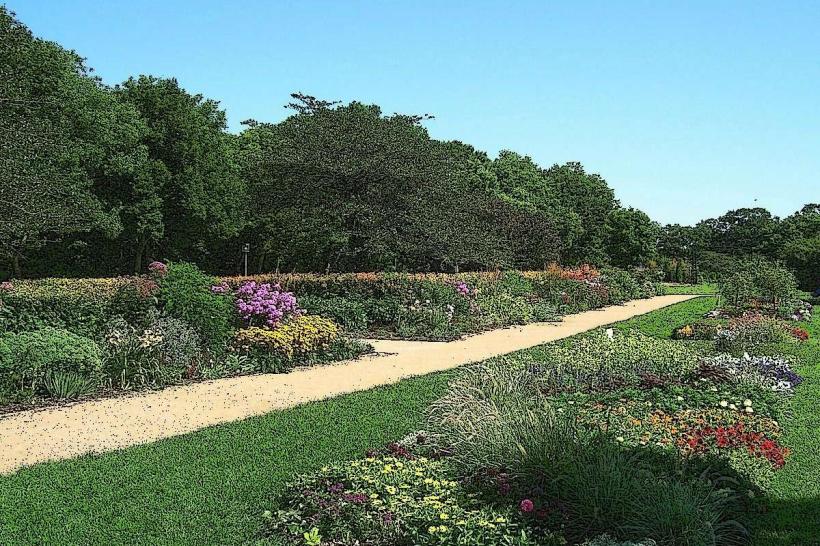
Gardens – Pollinator gardens and native plant demonstration plots near the Eloise Butler Wildflower Garden
Fall:
Leaf Peeping – Stunning fall colors, especially around the Quaking Bog and wooded hill trails
Trail Running – Cool temperatures and scenic loops draw trail runners and joggers
Bird Watching – Migratory species pass through; warblers and waterfowl sightings are common
Winter:
Cross-Country Skiing – World-class trails with snowmaking, skate-ski and classic groomed loops
Snowboarding & Tubing – At The Trailhead, a modern year-round activity center that anchors winter recreation
Snowshoeing – Designated areas for beginners and backwoods wanderers alike
Fat Biking – Groomed fat bike trails extend the biking season into deep winter
IV. Notable Sites Within the Park
1. The Trailhead (Main Visitor Center)
A modern, lodge-style building offering:
Year-round equipment rentals (skis, snowshoes, mountain bikes)
A café and community space
Locker rooms and showers
Access point to ski trails, tubing hill, and bike paths
Hosts festivals, events, and races (like the City of Lakes Loppet)
2. Eloise Butler Wildflower Garden and Bird Sanctuary
Founded in 1907, it is the oldest public wildflower garden in the United States. Features include:
Over 500 plant species
Elevated boardwalks through wetlands and woodlands
Open April through October
Interpretive signage and nature guides
3. Quaking Bog
A rare, floating sphagnum bog accessible by a woodchip trail and boardwalk. This five-acre gem is home to:
Carnivorous plants (like pitcher plants)
Native frogs and dragonflies
Interpretive markers on glacial geology and botany
V. Community and Events
Wirth Park is deeply embedded in Minneapolis’ recreational culture, acting as a stage for large gatherings, sports events, and local festivals.
Signature Events:
City of Lakes Loppet Winter Festival – A major Nordic skiing and winter sports celebration held each February
Trails Day and Bike Festivals – Hosted at The Trailhead with trail demos, group rides, and vendor expos
Family Nature Days – Organized by Minneapolis Park & Recreation Board to teach kids about wetlands, birds, and bugs
Sunset Yoga, Outdoor Bootcamps, and Forest Therapy Walks – Regular programming supported by local fitness and wellness groups
The park also serves as a community connection point for surrounding neighborhoods like Bryn Mawr, Harrison, Kenwood, and Golden Valley.
VI. Accessibility and Infrastructure
Trails: Well-marked and maintained year-round with varying difficulty levels
Transit: Served by Metro Transit buses; several bike-share stations nearby
Parking: Multiple lots (some free, others metered); ample space at The Trailhead
Restrooms: Available at key hubs including Wirth Lake beach, the golf course, and The Trailhead
ADA Access: Select trails, The Trailhead, and Wirth Lake beach are ADA compliant
It’s designed to feel like you're outside the city while being only minutes from downtown Minneapolis.
VII. Sustainability and Restoration Efforts
Wirth Park is a leading site for environmental stewardship in urban parks:
Prairie and wetland restorations are active throughout the park to counter erosion and support biodiversity.
Partnerships with the Minneapolis Parks Foundation and local conservationists support reforestation, invasive species control, and climate-resilient planting.
Sustainable winter practices like renewable energy snowmaking and stormwater reuse at The Trailhead exemplify modern eco-park design.
VIII. Why Visit?
Theodore Wirth Park is where urban vitality meets natural peace. It’s rare to find such a wilderness-like experience within a major U.S. city. Whether you want adrenaline (skiing, mountain biking), solitude (hiking the bog or forest), family time (beach and tubing), or community celebration (events and races), Wirth offers all of it.
You can start your day kayaking on a lake, hike through a glacial bog, grab lunch at a café in the woods, then snowshoe under twinkling winter lights-all without ever leaving the city.
Summary
Theodore Wirth Park is the largest, most versatile, and most ecologically diverse green space in Minneapolis. Its year-round recreational opportunities, ecological treasures like the Quaking Bog and Eloise Butler Garden, and its cultural role as a gathering point for generations of residents make it more than a park-it’s a living, breathing part of the city’s identity. Whether you're a resident or visitor, it offers an unforgettable blend of urban accessibility and natural immersion.