Information
Landmark: Loring ParkCity: Minneapolis
Country: USA Minnesota
Continent: North America
Loring Park, Minneapolis, USA Minnesota, North America
Here is a detailed and humanized description of Loring Park, one of the most beloved and historically rich urban parks in Minneapolis:
Loring Park – The Cultural Green Heart of Minneapolis
I. Overview
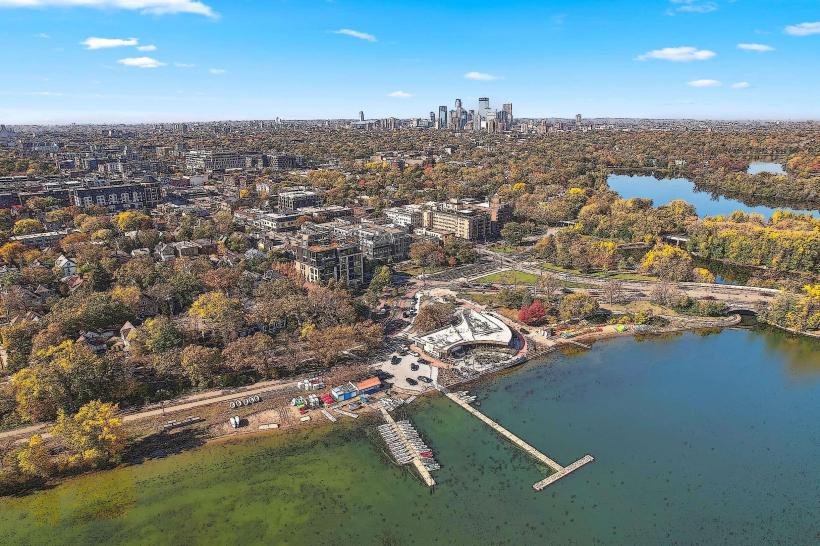
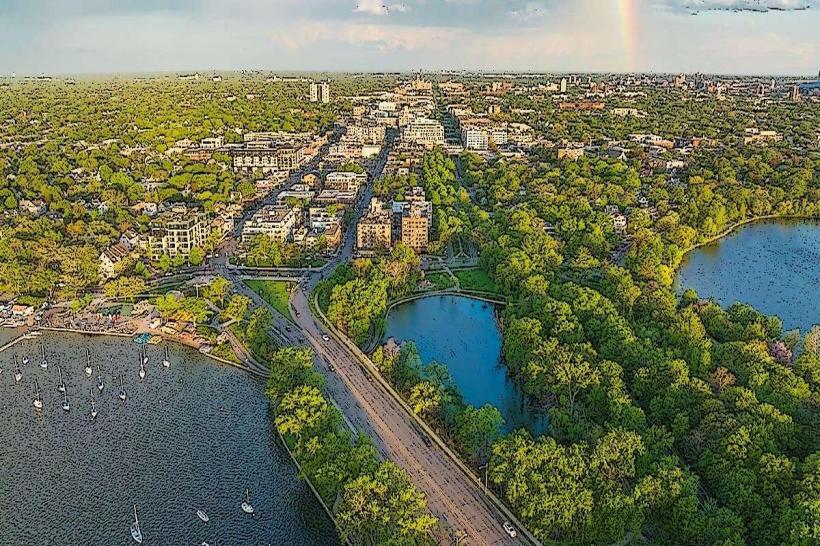
Loring Park is a central urban park in downtown Minneapolis, covering approximately 34 acres just southwest of the city’s core. It acts as a natural retreat within the busy city, a public gathering place for all walks of life, and a cultural venue tied to the identity of Minneapolis itself.
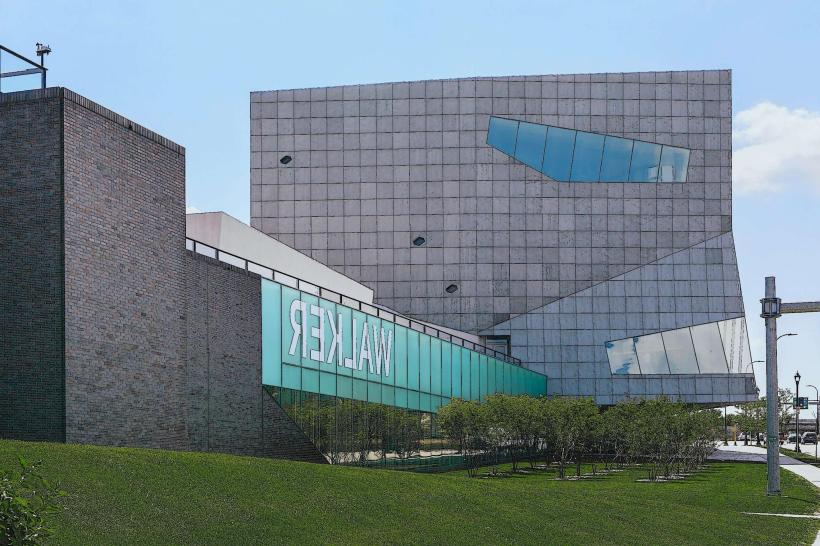
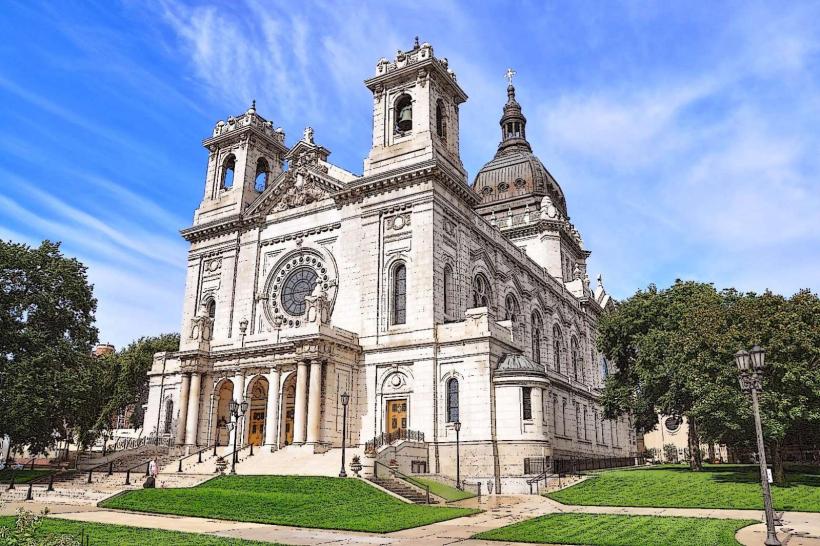
Located between the Walker Art Center, Basilica of Saint Mary, and Nicollet Mall, Loring Park serves as a green bridge between art, spirituality, and everyday urban life. It’s not just a park-it’s a neighborhood landmark, a festival ground, and a deeply Minnesotan space.
II. History and Origins
Loring Park was originally named Central Park when it was acquired by the Minneapolis Park Board in 1883, but it was renamed in 1890 in honor of Charles M. Loring, known as the “Father of the Minneapolis Park System.” Loring, along with famed landscape architect Horace Cleveland, helped shape the city’s vision of integrating green spaces with urban design.
In the early 20th century, Loring Park became part of the city's “Grand Rounds” system-an interconnected loop of parkways, trails, and scenic areas-making it a foundational piece of Minneapolis’ progressive parks movement.
III. Landscape and Layout
The park’s landscape offers a beautiful mix of formal and natural features:
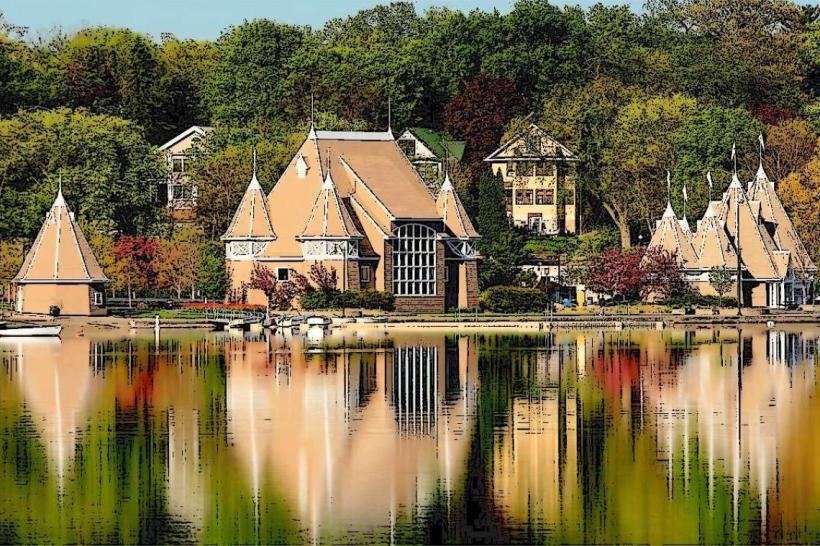
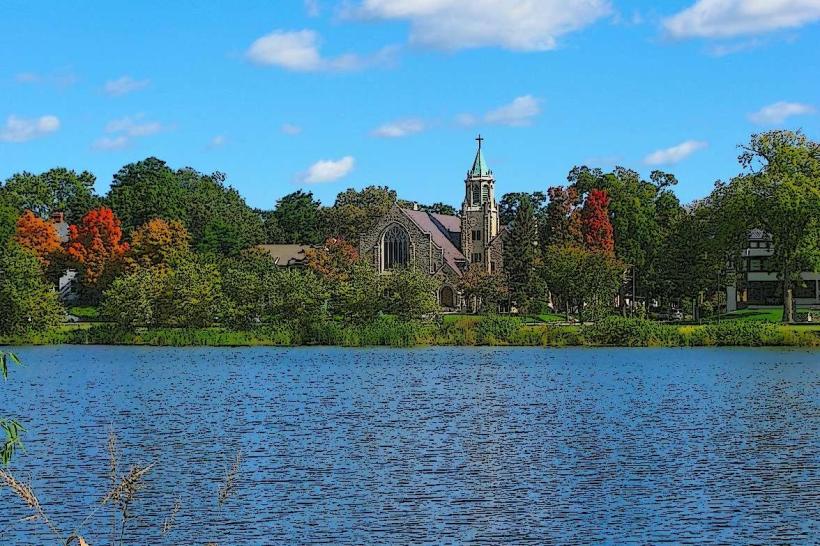
Loring Pond lies at its center, with fountains, ducks, turtles, and a footbridge that reflects beautifully in the water.
Tree-lined paths and open lawns make it ideal for walking, jogging, or relaxing.
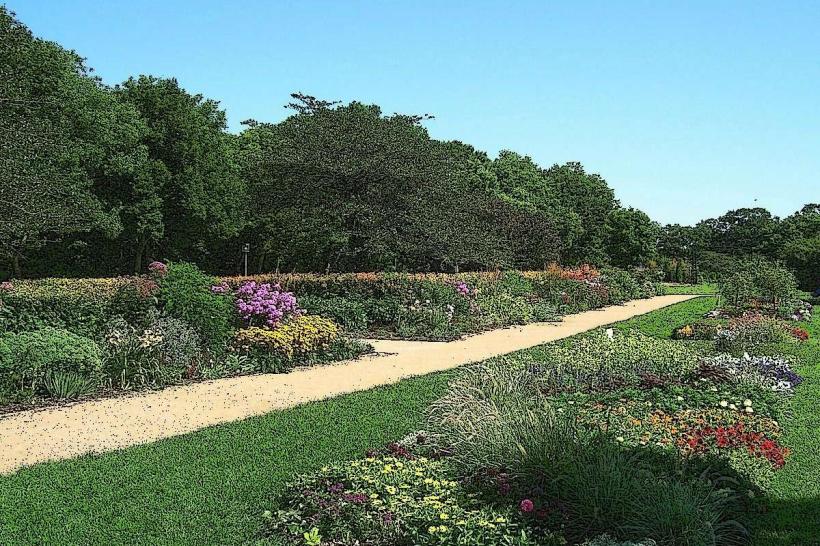
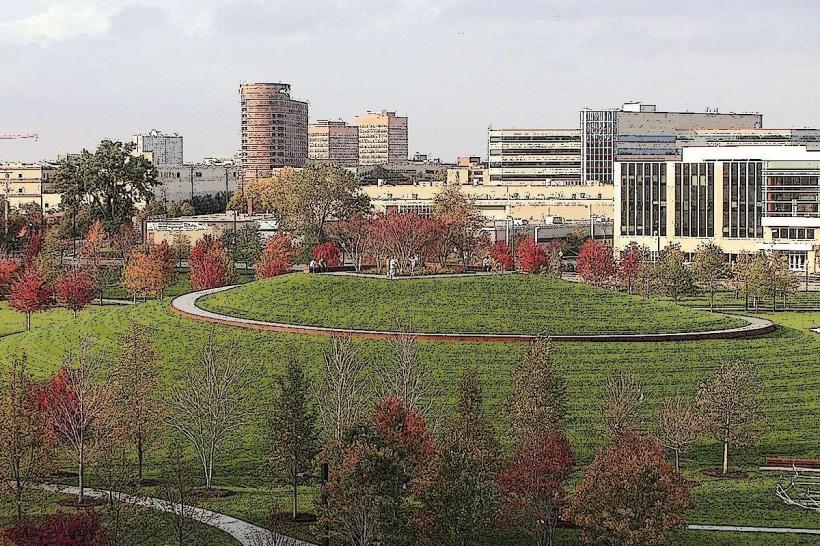
The park includes gently rolling hills, gardens, and wooded corners, giving it a layered visual appeal.
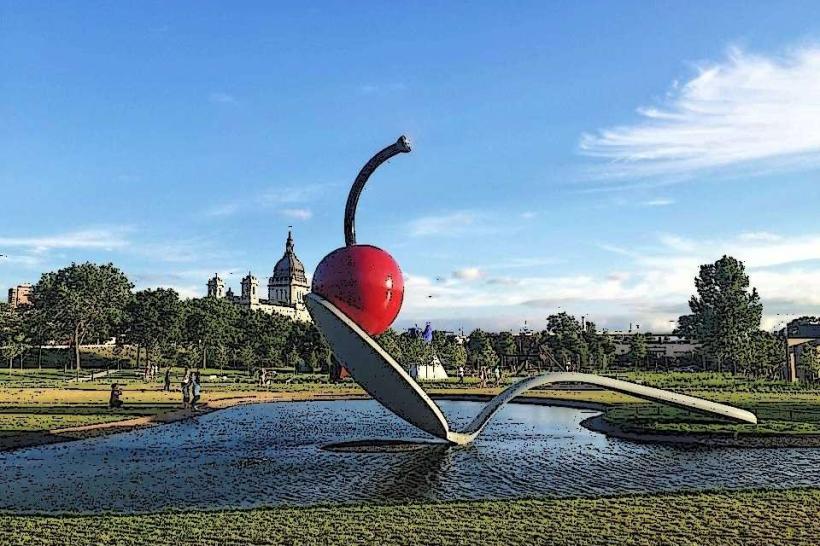
It’s surrounded by architectural gems such as the Walker Art Center, Minneapolis Sculpture Garden, and Loring Greenway, creating a cohesive experience of culture and greenery.
Benches, sculptures, and floral displays dot the park, and the autumn foliage here is especially photogenic.
IV. Social and Cultural Importance
Loring Park has long held a special social role in Minneapolis:
It was historically known as a gathering place for artists, intellectuals, and LGBTQ+ communities, particularly during the late 20th century.
It has served as the site of significant LGBTQ+ history, including Pride events and grassroots organizing. The nearby neighborhoods like Loring Heights were among the earliest LGBTQ-friendly spaces in the city.
The park is inclusive and diverse-people of different ages, races, backgrounds, and identities share the space without barriers.
It also plays host to open-air concerts, art fairs, and farmers markets, blending community life with civic creativity.
V. Events and Festivals
Loring Park is a year-round event space, with programming that reflects Minneapolis' cultural diversity.
Some major recurring events include:
Loring Park Art Festival – A juried fine art festival held every summer, with dozens of artists, live music, food vendors, and creative workshops.
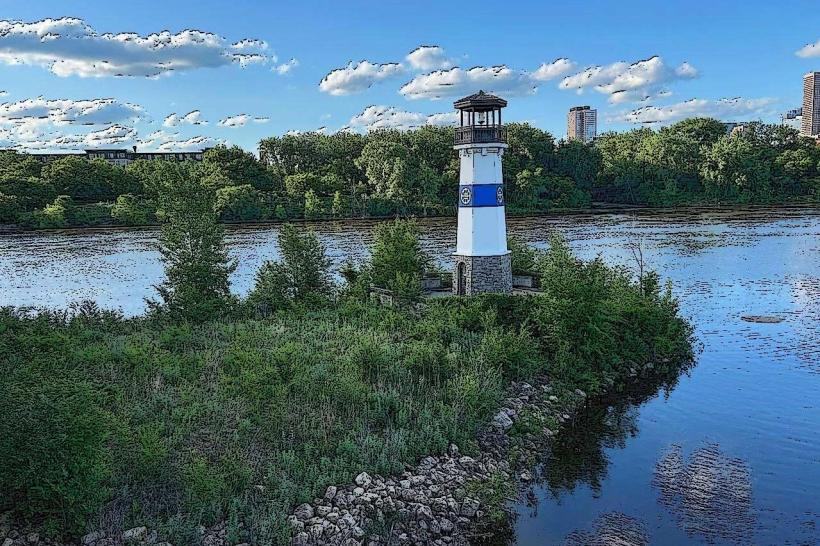
Twin Cities Pride Festival – Though the main celebration has moved to Boom Island and Loring’s role has changed, it remains symbolically important to the LGBTQ+ community.
Winterfest – A smaller seasonal celebration featuring lights, local artisans, and winter cheer.
Yoga in the Park, outdoor movie nights, and music performances add vibrancy in spring and summer.
VI. Recreational Facilities and Amenities
Loring Park is well-equipped for both casual enjoyment and active use:
Basketball courts and tennis courts
Playground for children
Off-leash dog park for pet owners
Recreation center (Loring Community Arts Center) which hosts classes, community meetings, and exhibitions
Walking and biking trails that connect to the Minneapolis Greenway and Mississippi River trails
Visitors can rent bikes or e-scooters nearby, and the park is wheelchair-accessible and stroller-friendly.
VII. Sustainability and Landscape Care
Minneapolis Park & Recreation Board maintains Loring Park with attention to ecological health, native planting, and urban wildlife support.
Pollinator-friendly flower beds are planted seasonally.
Ducks, turtles, and squirrels thrive in the park’s small natural ecosystem.
Water fountains, lighting, and public art installations are solar-supported and maintained regularly.
The park's landscape design minimizes runoff and enhances stormwater management.
This makes Loring Park not only beautiful but environmentally responsible-a key value in Minneapolis' overall urban planning.
VIII. Accessibility and Connectivity
Loring Park is highly accessible:
Directly reachable via Hennepin Avenue and Nicollet Mall
A few blocks from the Minneapolis Convention Center
Adjacent to public transit lines and within walking distance of downtown landmarks
Connected to Walker Art Center and Minneapolis Sculpture Garden by the iconic Irene Hixon Whitney footbridge
Bike paths connect the park to the Midtown Greenway and Chain of Lakes, making it a prime stop on both commuter and leisure routes.
IX. Surroundings and Neighborhood Feel
Loring Park is nestled within the Loring Park neighborhood, known for:
Elegant old apartment buildings and condos
Art institutions like the Walker and Minneapolis College of Art and Design (MCAD)
Eclectic restaurants, cafes, and bars within walking distance
Strong sense of community engagement, with neighborhood associations and advocacy for inclusive spaces
The park plays a central role in giving the area a unique identity-artsy, historic, and welcoming.
Summary
Loring Park is much more than a park-it's an urban sanctuary, a cultural commons, and a social stage where the heart of Minneapolis beats visibly and inclusively. Whether you’re attending an art festival, reading by the pond, joining a yoga class, or simply walking through on your lunch break, Loring Park invites everyone into its open, peaceful, and beautifully designed space. It's a defining element of Minneapolis' character and a model of how parks can nurture both nature and civic life.